Updated on: 2026-07-17
Choosing the right cleanser for your scalp can feel harder than it should. A sulfate-free shampoo is a simple switch that many people make when they want a gentler wash experience. It helps you clean without stripping away the natural balance your hair relies on. If you color, relax, or just want fewer dry-feel wash days, this guide walks you through what to look for and how to use it well.
Key Benefits
If your current shampoo leaves hair feeling tight, dull, or hard to style, sulfate-free shampoo may be the upgrade you have been looking for. Here are the most common reasons people switch and stay switched.
- Gentler cleanse for daily comfort: Many sulfate-free formulas use milder cleansers that help reduce that “squeaky clean” feel that can come from stronger surfactants.
- Better moisture feel: Without harsh stripping, hair often feels softer after washing and easier to detangle.
- Color-care friendly routine: People who color their hair often prefer routines that are not built around aggressive cleansing.
- Scalp-friendly approach: A less abrasive wash can support a calmer-feeling scalp for many routines.
- Works with modern hair routines: Whether you use heat, oils, or leave-in products, a gentler shampoo can help keep your wash day balanced.
How Sulfate-Free Shampoo Works
To understand why sulfate-free shampoo feels different, it helps to know what “sulfate-free” usually means in hair care. Traditional shampoos often include sulfates, which are strong surfactants designed to lift oils and buildup quickly. That strength can also remove more of your hair’s natural moisture, especially if you wash frequently or have hair that leans dry.
Sulfate-free shampoos typically rely on milder cleansing agents to lift oils and rinse away buildup. The result is often a clean finish without that dry, stretched feeling. Many people also notice that their hair holds onto softness better between washes.
One more point: sulfate-free does not mean “no cleanse.” It means the formula cleans using a gentler approach. If your hair is oily, you may still need to wash regularly. The difference is how your hair feels after the rinse.

Gentle cleansing symbols: soft waves, balanced circle
Step-by-Step Guide
Switching to sulfate-free shampoo is easy. Use this routine to get consistent results, even if you have been washing one way for years.
1) Wet thoroughly
Start with warm water and fully wet your scalp and hair. This helps the cleanser spread evenly and work with less rubbing. A good wetting step can also make your shampoo feel more effective, even with a gentler formula.
2) Use the right amount
Apply a small amount to your scalp first. If your hair is long or very thick, you may need a bit more. Focus on scalp coverage, not just the ends.
3) Massage gently, not aggressively
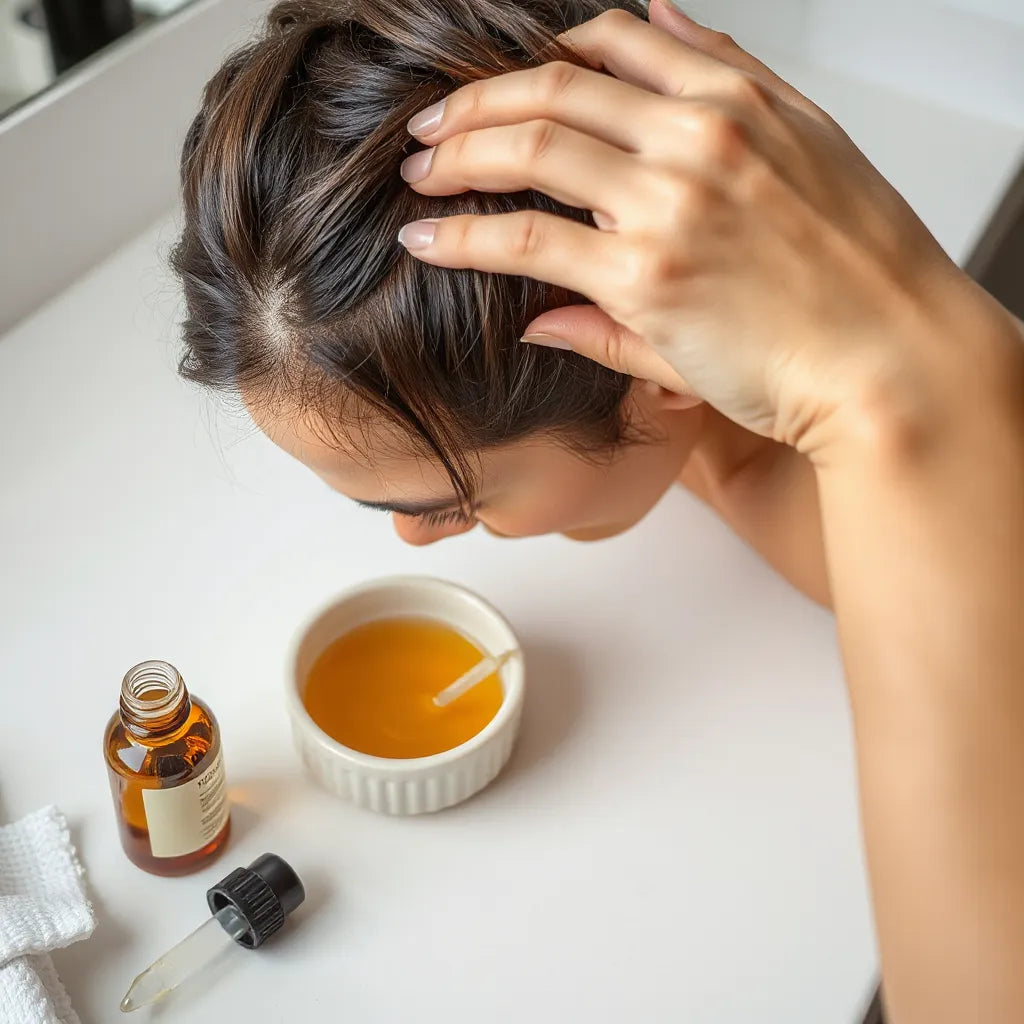
Use your fingertips to massage for about a minute. Light pressure is enough. Think of it as encouraging circulation, not scrubbing.
4) Let it rinse clean
Rinse well until water runs clear. Lingering residue can make hair feel heavy or dull. If you use styling products or hair oils, a careful rinse is one of the easiest ways to improve how your hair looks after washing.
5) Condition where you need softness
Apply conditioner to mid-lengths and ends. If your scalp tends to get oily, avoid the scalp area. This helps you get softness without flattening.
6) Adjust based on your routine
If you wash daily or use a lot of products, you may need more frequent cleansing. If your hair is dry or wavy and you wash less often, you may benefit from a slightly longer massage and a thorough rinse.
Use Cases and Real-Life Scenarios
Sulfate-free shampoo is not one-size-fits-all, but it fits many common lifestyles. Below are scenarios where people often choose a gentler cleanse.
Color-treated hair
Color can be demanding. Many people try sulfate-free shampoo as part of a broader color-care plan. With a gentler wash, hair may look more vibrant for longer and feel smoother at the ends.
Dry-feel or frizz-prone hair
If your hair tends to feel rough after washing, stripping may be part of the issue. A sulfate-free shampoo routine can help hair feel softer so your conditioner has an easier job.
Curly and wavy routines
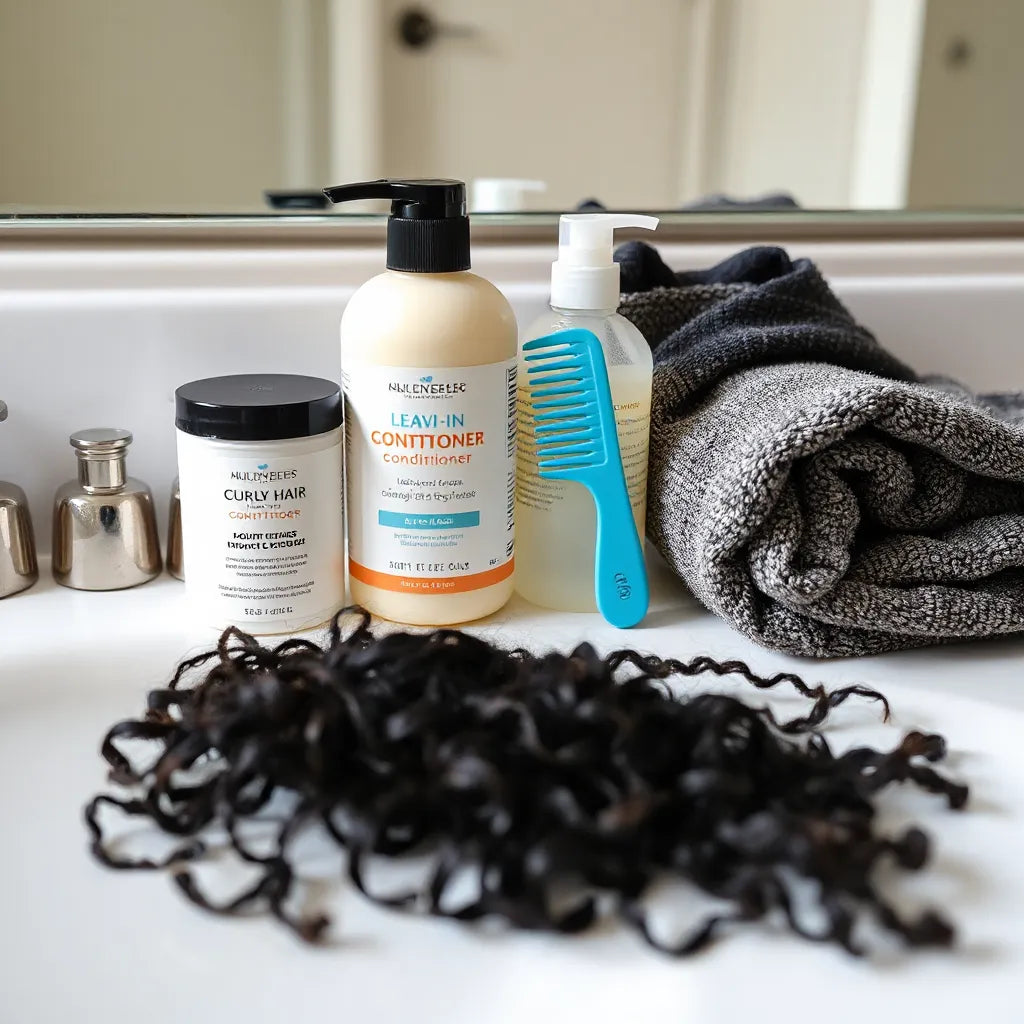
Curly and wavy hair often benefits from moisture balance. When hair feels less stripped, it can hold definition better. Pair your shampoo with a conditioner you like, and give yourself a realistic detangling plan on wash day.
Scalp sensitivity
Some people notice scalp comfort improves when they switch to milder cleansers. Everyone’s scalp is different, but reducing harshness can be a helpful step in many routines.
Frequent washing
If you wash often due to work, workouts, or lifestyle, you may want a formula that cleans without overdoing it. A sulfate-free approach can be a more comfortable option for regular routines.
If you want to build a full home routine, remember that great hair care often pairs with the right tools and comfort at home. A calm bathroom setup makes it easier to stick with your routine.
Explore bedroom furniture essentials
Bath routine visuals: calm shower mist, rinse flow arrows
How to Know It’s Right for You
Switching shampoos is a process. Your hair needs a few wash days to adjust, especially if you have buildup from styling products, dry scalp flakes, or residue from heavier moisturizers.
Use these signals to tell whether your sulfate-free shampoo choice is a good fit.
- Hair feels softer after drying: Look for less tightness and fewer tangles.
- Scalp feels calmer: If your scalp tends to feel reactive, pay attention to comfort after rinsing.
- Style holds better: When hair is not overly stripped, it often styles with more predictable results.
- Your hair looks less dull: A balanced cleanse can help shine look more consistent.
- Rinse feels clean, not leftover: If your hair feels coated, your shampoo amount or rinse technique may need adjustment.
If you are transitioning from a different cleanser, you can also consider a “reset” approach. That means using your new sulfate-free shampoo consistently for a bit, with thorough rinsing. Over time, your hair may feel lighter and more manageable.
For best results, pair your shampoo with a conditioner that supports your hair type. Conditioner is where you can add softness and reduce friction during detangling.
What Customers Say
Real feedback helps you picture how a sulfate-free shampoo can fit your day. Here are common themes people mention after switching.
- “My hair feels clean without feeling stripped.” Many shoppers describe a softer feel and easier comb-through after washing.
- “My ends look better between washes.” Customers often talk about smoother hair texture and less dryness-looking frizz.
- “My scalp feels more comfortable.” People who were sensitive to their old routine frequently mention improved comfort.
- “It works with my routine, not against it.” Some users appreciate that their styling products and conditioners still do their job.
Everyone’s hair reacts differently, so it helps to focus on your own signals. If you notice comfort and softness improving, you are likely on the right track.
Next Step
If you want a gentler wash experience, consider trying a sulfate-free shampoo as your everyday baseline. Start with a simple routine, rinse thoroughly, and give your hair a few wash days to settle into the new balance.
When you are ready to refresh your home routine, pairing hair care with a comfortable sleep and lifestyle setup can make sticking to self-care feel easier. Home & Sleep Outlet in Rowlett, TX offers high-quality, affordable furniture and mattresses, and we carry brands like Coaster, Furniture of America, Meridian, and New Classic. We also offer financing, local delivery, complete room sets, and a massive online catalog.
For example, if you are planning a calmer bedroom upgrade, browse options here:
Call to action: Choose sulfate-free shampoo for a gentler cleanse, then keep your routine consistent. If your goal is softer hair, calmer-feeling washes, and a smoother overall experience, this is a simple change that can pay off quickly.
FAQ Section
Is sulfate-free shampoo good for everyone?
It can be a great option for many hair types and routines, especially if you want a less stripping feel or you wash frequently. However, hair and scalp needs vary. If you try it, focus on how your hair feels after drying and how your scalp feels after rinsing.
Will sulfate-free shampoo clean oily hair effectively?
Yes. A gentler formula can still lift oil and rinse away buildup. You may just need the right amount, a good scalp massage, and a thorough rinse. If you use heavy styling products, rinse time matters more than you think.
How long should I try it before deciding?
Give your hair a few wash cycles to adjust. If you notice improved softness, less roughness, and better comfort, it is likely working for your routine. If you feel coated or heavy, review your amount and rinsing, and consider pairing with a conditioner that matches your hair type.

I like making people happy