Updated on: 2026-07-27
If you have been trying to grow thicker, healthier-looking hair, you are not alone. Essential oils for hair growth can be a simple, scent-friendly way to support your scalp routine. The right oils paired with proper dilution help you build consistency without overcomplicating your day. In this guide, you will learn how to choose oils, mix them safely, and use them in real routines that fit your lifestyle.
Why Essential Oils for Hair Growth Are Popular
People look for essential oils for hair growth because hair care is often more about scalp support than quick fixes. Your hair starts at the root, and your scalp is the place where comfort, cleanliness, and routine consistency meet. Many essential oils have long been used in wellness traditions, and today they are commonly added to hair routines for their refreshing scents and their ability to make scalp care feel more intentional.
When you use oils in a balanced way—proper dilution, gentle application, and steady habits—you give your scalp a more spa-like experience. That matters, because stress, dryness, and inconsistent care can make hair feel harder to manage. A well-designed routine can help you feel confident as your hair grows out and your overall look becomes more polished.

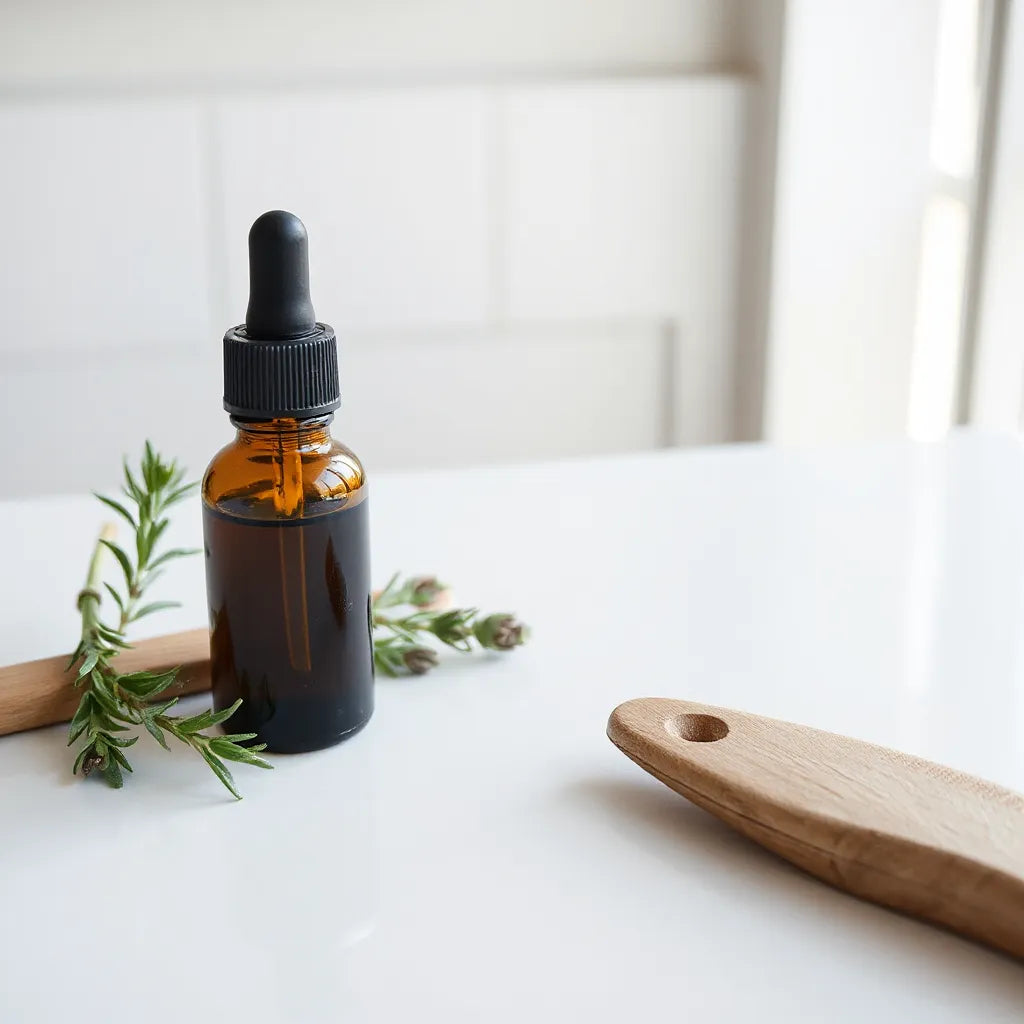
Scalp-focused care: dropper, small bowl, calm steam lines
Myths vs. Facts
Essential oils can feel confusing online. Here are clear, practical truths to help you choose what fits your expectations.
-
Myth: Essential oils will instantly make hair grow faster.
Fact: Hair growth happens over time. Oils can support your routine by improving scalp comfort and consistency, not by creating instant results. -
Myth: The stronger the oil, the better it works.
Fact: Concentration matters. Using undiluted oils can irritate the scalp. Dilution is part of safe, effective routine building. -
Myth: Any oil will work for every scalp type.
Fact: Scalp needs vary. Dryness, sensitivity, and oiliness all change what feels comfortable and what you can repeat weekly. -
Myth: Essential oils replace shampoo and conditioner.
Fact: They should complement your regimen. Clean scalp care first, then supportive oils on top. -
Myth: If you don’t see results quickly, oils are useless.
Fact: Hair routines are habit-based. Track how your scalp feels, how your hair looks, and how you stay consistent.
How to Choose Essential Oils for Your Hair Goals
Choosing the right essential oils for hair growth means focusing on your scalp first, not only your strands. Start by asking two questions: Does your scalp feel dry, tight, itchy, or oily? And do you want a refreshing, balancing scent profile for your weekly routine?
Below are popular options people often explore for scalp support. Use this as a shortlist, then select what fits your sensitivity level and routine style.
Tea tree-style freshness for an energized feel
Some people are drawn to tea tree oil because it has a clean, brisk character. It is commonly used in scalp care routines that aim for a refreshed feeling. If you tend to get buildup or your scalp feels like it needs extra attention, a carefully diluted blend can make your routine feel more complete.
Rosemary-style support for a rooted routine
Rosemary oil is a classic choice in hair routines. Many people like it because the scent feels herbaceous and grounding. It pairs well with carriers like jojoba or grapeseed oil, helping you apply oils evenly without making your hair feel greasy.
Peppermint-style cooling for scalp comfort
Peppermint oil is known for its cooling sensation. A tiny amount in dilution can make the scalp feel invigorated after washing or before bed. If you have a sensitive scalp, start conservatively and pay attention to comfort.
Lavender-style calm for consistent, relaxing care
Lavender oil brings a softer aroma that can make your routine feel like self-care. If you prefer calming scents, lavender can help you enjoy the process, which is one of the most underrated factors for seeing steady progress.
Tip: When you choose, pick two oils max to start. Too many oils at once makes it harder to know what you like and what your scalp tolerates.

Mixing palette: labeled aroma cards, measuring spoon, dilution guide
How to Mix and Use Essential Oils Safely
Safe use is where most people succeed—or struggle. Essential oils are powerful, so your goal is a supportive blend, not a concentrated splash.
Start with a carrier oil that spreads well
Carrier oils dilute essential oils so you can apply them gently. Many people choose jojoba, coconut, grapeseed, or sweet almond oil because they spread easily. Your carrier should not feel heavy to you, especially if you have fine hair or an oil-prone scalp.
Use a simple dilution approach
A conservative dilution is best for beginners. A common starting point is about 1% essential oil in your blend. That means you add a small amount of essential oil to your carrier, then mix well.
Because every essential oil differs, always follow the guidance on your oil bottle for the most accurate dilution instructions. If you are unsure, keep it light at first. Hair care is a long game, and scalp comfort is your foundation.
Do a patch test before going full routine
Before applying your blend to your scalp, do a patch test. Apply a small amount behind the ear or on a small inner arm area and wait to see how your skin reacts. If there is irritation, stop and adjust.
Apply with a light touch
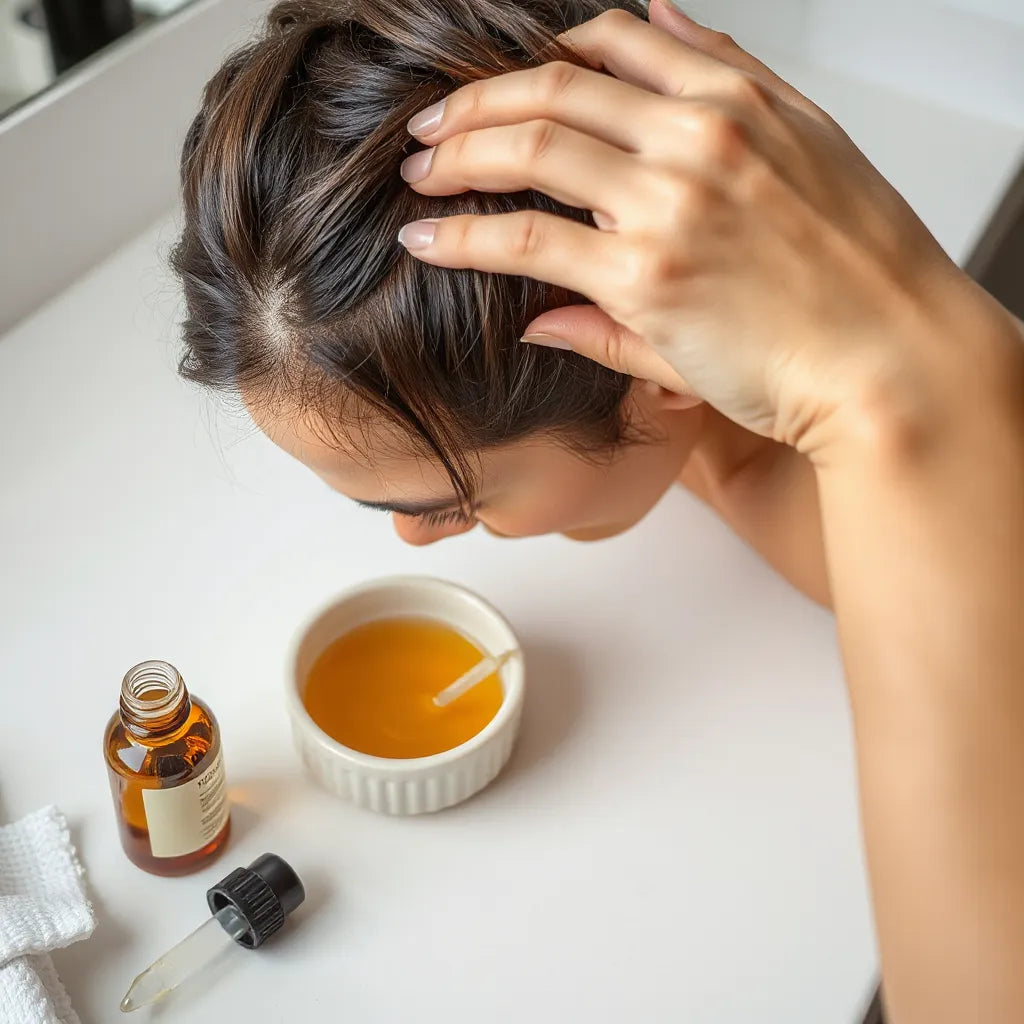
When you use your blend, section your hair and massage your scalp gently with your fingertips. Avoid nails. Think “comfort and circulation,” not pressure. Keep the routine relaxing so it becomes something you look forward to.
Be mindful of how often you apply
You do not need daily use. Many people find that 1–3 times per week feels sustainable and helps the scalp stay balanced. Overdoing oils can lead to buildup or irritation, especially if you sweat or style heavily.
Important: Essential oils are for topical use only when appropriately diluted. If you are pregnant, have a medical condition, or have a history of scalp sensitivity, consider speaking with a qualified healthcare professional before starting new skincare or hair products.
A Simple Routine You Can Actually Keep
A routine that fits your life beats an “ideal plan” you do not repeat. Here is an easy routine you can customize using your preferred essential oils.
Step 1: Wash to start fresh
Begin with a gentle shampoo to remove buildup and reset your scalp. A clean base makes your scalp care blend feel more effective, and it reduces the chance of buildup.
Step 2: Apply your diluted blend
Part your hair into sections and apply a small amount of diluted oil to your scalp. Massage gently for a few minutes. Keep it comfortable and stop if you feel stinging or burning.
Step 3: Choose a timing style
- Before bed: Apply after your evening wash so you wake up to a refreshed routine.
- After shower: Apply to damp or dry hair based on what feels best for your scalp.
- Quick refresh: Apply when you have time for a short massage and then rinse if your hair gets oily easily.
Step 4: Keep styling simple
Protect your scalp and hair by using styles that do not pull. Tight hairstyles can increase breakage and make hair feel thinner. If you wear protective styles, keep them comfortable and not too tight.
If you want your whole home routine to feel more supportive, consider your daily environment too. Many people create better self-care habits when their space feels calm and organized.
From Home & Sleep Outlet in Rowlett, TX, we focus on creating comfortable home setups with high-quality furniture and mattress options. If you enjoy winding down with your routine, you may also like exploring pieces such as a sleigh bed or dresser setup to keep your evenings relaxing.
Real Customer Notes: What People Say
Every scalp is different, but patterns show up in feedback. Here is the kind of experience many shoppers report when they build a consistent essential oil scalp routine.
“My scalp feels calmer, and I stay consistent.”
One customer shared that after a few weeks of careful dilution and gentle massage, their scalp felt less reactive. They emphasized that the routine made them more likely to stick with regular washing and conditioning.
“The scent makes my routine feel like self-care.”
Another shopper noted that lavender-style or herbaceous blends turned hair care into something they looked forward to. They did not chase extreme changes. Instead, they tracked comfort and routine success.
“I started small and adjusted based on how I felt.”
A third customer said they reduced frequency when their scalp felt dry and increased slightly when it felt balanced. Their lesson was simple: the best routine is the one you can maintain.
What these notes have in common: people were not searching for miracles. They wanted a supportive routine that improved scalp comfort, helped with consistency, and made their hair feel easier to manage.
Final Thoughts & Takeaways
Finding the right approach to essential oils for hair growth is about smart choices, safe mixing, and habits you can keep. Instead of expecting overnight transformations, focus on how your scalp feels and how your hair responds over time. When you use a properly diluted blend, massage gently, and pair it with a clean, steady wash routine, you create a strong foundation for healthier-looking hair.
If you are ready to simplify your routine, start with two essential oils, choose a carrier oil that spreads well, and commit to a repeatable schedule. Keep a quick note of how your scalp feels after each use. Consistency is what turns a product into progress.
For a more comfortable home routine that supports your evenings and self-care, explore options from Home & Sleep Outlet in Rowlett, TX. A calm, well-organized space can make it easier to stay consistent with your hair care goals.
Your next step: Pick one oil blend to try for a few weeks, use it safely, and adjust only if your scalp tells you it needs changes.
Q: How often should I use essential oils for hair growth?
A: Many people start with 1–2 times per week and adjust based on comfort. If your scalp feels dry or sensitive, reduce frequency. If your scalp feels balanced, you can stay consistent with the schedule that feels best.
Q: Can I apply essential oils directly to my scalp?
A: It is safer to avoid applying essential oils undiluted. Essential oils are concentrated. Always dilute them with a carrier oil and consider a patch test before using the blend more broadly.
Q: What is the best way to choose oils for my hair routine?
A: Choose based on your scalp needs and your comfort preferences. If you want a refreshing feel, start with oils that match that scent profile. If you want something calming, choose softer aromas. Begin with two oils max so you can track your results and tolerance.
Disclaimer: This article is for general educational purposes and does not provide medical advice. Hair results vary by person and depend on many factors, including scalp condition and overall routine. If you have sensitive skin or any health concerns, consult a qualified professional before trying new topical products.

I like making people happy