






















































































































Toxins Free Hair Care: Clean Ingredients, Better Hair
Updated on: 2026-07-29 If your scalp feels itchy, your hair looks dull, or you dread what’s in your shower products, you’re not alone. This guide breaks down toxins-free hair care and why many people switch to gentler, cleaner routines. You’ll learn how to choose formulas, what to do in your wash day, and how to avoid buildup that can make hair feel heavy. By the end, you’ll have a simple plan to refresh your routine and support healthier-looking strands from root to tip. Why Choose Toxins-Free Hair Care? How Toxins-Free Care Supports Scalp and Strands Key Advantages You Can Feel Quick Tips for a Cleaner Wash Day A Simple Routine That Works How to Choose the Right Products Customer Voices Summary & Next Steps Why Choose Toxins-Free Hair Care? Toxins-free hair care is the idea of using hair products that skip certain harsh ingredients and focus on a cleaner approach. For many people, the switch starts with a simple question: “Why does my hair look different after a few washes?” Common answers include dryness, frizz, sensitivity, and buildup that makes hair feel flat. A cleaner routine can help you reduce that cycle. When you begin to read labels with care, you notice how often formulas include ingredients that may irritate the scalp or leave residue. Instead of guessing, toxins-free hair care focuses on supporting a healthy look while keeping your routine more gentle. This can be especially helpful if you color your hair, use heat tools often, or just want your shower products to feel lighter and more skin-friendly. How Toxins-Free Care Supports Scalp and Strands Hair care doesn’t stop at the ends. Your scalp is where the process starts. If the scalp gets irritated or coated, the hair can respond quickly. A toxins-free approach aims to keep hair clean without stripping it too hard or leaving behind heavy layers that dull shine. Think of your routine like a reset button. When your shampoo, conditioner, and treatments work well together, you may see easier detangling, less tangling, and a smoother feel. Over time, that can translate into hair that looks healthier and styles more easily. Scalp icons, gentle waves, and clear label checkmarks Key Advantages You Can Feel Comfort for sensitive scalps: A gentler formula can feel more soothing, especially if you notice redness or itchiness. Less residue buildup: Many cleaner routines aim to rinse well, so hair doesn’t feel coated or weighed down. More natural shine: When hair isn’t overloaded with residue, it often reflects light better. Better manageability: Conditioners designed for a cleaner routine can help reduce tangles and improve slip. Support for frequent washing: If you wash often, a gentler approach can help you keep a consistent routine without feeling “stripped.” Quick Tips for a Cleaner Wash Day You don’t need a complicated routine. A few small changes can make your results feel more noticeable. Here are practical steps you can start today: Focus on scalp, not length: Massage shampoo mainly at the roots. Let the lather glide downward. Rinse thoroughly: Give water enough time. Lingering residue can make hair feel heavy. Condition mid-length to ends: Apply conditioner where hair needs slip, then rinse well. Use cold or cool water for the final rinse: It can help hair look smoother. Limit overwashing: If your hair feels dry, you may benefit from spreading washes slightly while staying consistent. If you’re also working on a comfortable home routine, it helps to think “overall wellness.” For example, a relaxed sleep environment can support healthy habits. If you want to browse home essentials, you can explore Kg2g.store for lifestyle items that complement your daily reset. A Simple Routine That Works If you’re ready to try a toxins-free routine, keep it steady for a few weeks. Hair changes don’t need to be dramatic to be meaningful. Consistency helps your scalp and strands adjust to the new formula. Step 1: Choose a gentle shampoo Look for a shampoo that feels clean without stripping. When you lather, it should feel easy to spread, and your scalp should feel comfortable after rinsing. Step 2: Add conditioner for slip and softness Conditioner is where you feel the “difference.” Apply it after shampoo and focus on mid-lengths and ends. If your hair tangles easily, use extra care when detangling. Step 3: Finish with a lightweight treatment For many hair types, a lightweight leave-in or treatment helps reduce frizz and improves manageability. You don’t need a heavy layer. Start small and add only if your hair still feels dry. Step 4: Style with a heat-smart mindset Heat styling doesn’t have to ruin your routine. If you use tools, keep the heat moderate and protect strands when possible. A cleaner product routine can help your hair hold up better between styles. Wash-day steps shown as icons: shampoo, rinse, condition, air-dry How to Choose the Right Products Not all “clean” claims are equal. When you’re shopping for toxins-free hair care, use a label-first mindset and choose products that match your hair goals. 1) Match your scalp needs Are you dealing with dryness, oiliness, or sensitivity? If your scalp feels reactive, prioritize gentle formulas that rinse clean. If you’re prone to buildup, consider clarifying occasionally with care. 2) Look for a complete system Hair responds best when your shampoo and conditioner work together. If you choose a product line where the textures complement each other, you’re more likely to avoid the “one step helps, the next step fights back” problem. 3) Consider your hair texture Straight or fine hair: Favor lightweight formulas to avoid feeling weighed down. Wavy or curly hair: Look for conditioning that improves slip and reduces tangles. Coily hair: Prioritize moisture, gentle detangling, and scalp comfort. Thick hair: Choose conditioners that help soften and smooth without residue. 4) Review how products feel, not just what they claim Even the best marketing can’t replace real performance. Pay attention to how your hair feels during and after the wash. If hair feels dry quickly, you may need a different balance of cleansing and conditioning. If you want to keep your shopping process organized, you can compare options on relevant pages from our site. For a change of pace while you plan your home routines, you can browse our selection of furniture at vintage cherry dresser options. Customer Voices Clean hair care is deeply personal. People switch for different reasons, but the “why” often sounds familiar. Here are common themes customers share after trying a cleaner routine. Testimonial 1: “My scalp stopped feeling tight.” One customer described how their scalp used to feel tight right after washing. After switching to a gentler routine, they noticed their scalp felt more comfortable and their hair looked less dull. They also said detangling became easier, which made wash day feel faster. Testimonial 2: “My hair feels lighter, but still soft.” Another customer said their hair used to feel coated and flat after a few days. With a cleaner routine focused on rinse-friendly formulas, they felt the difference in the days between washes. They loved that their hair looked smoother without feeling heavy. Testimonial 3: “Heat styling looks better on day two.” Some customers reported that their styled look lasted longer after they adopted a toxins-free approach. They didn’t claim miracles, but they noticed less frizz and a more polished finish. For them, the biggest win was how predictable their hair felt. These stories are about experience, not guarantees. Everyone’s hair is different. But the consistency in feedback often comes down to gentler cleansing, better rinsing, and conditioners that support smoothness. Summary & Next Steps Toxins-free hair care can be a smart shift if you want a more comfortable scalp, lighter hair, and a cleaner-feeling routine. Instead of chasing short-term results, aim for steady improvement through gentle cleansing, effective conditioning, and rinsing that helps prevent buildup. Here’s a simple next-step plan: Pick a gentle shampoo that fits your scalp needs. Use conditioner for slip on mid-lengths and ends. Stay consistent for a few weeks so your hair can adjust. Pay attention to how your hair feels during wash day, not just right after. Ready to upgrade your routine? Start with one change today. Choose a cleaner product you can stick with, then build from there. If you’d like help selecting a direction, review your current products, note what feels off, and choose the next item based on the scalp and texture cues we covered. Disclaimer: This article is for general informational purposes only and does not provide medical advice. Results vary by person. If you have a scalp condition, consider speaking with a qualified healthcare professional before changing your hair care routine. Q&A What does toxins-free hair care actually mean? In practice, toxins-free hair care usually refers to choosing hair products designed to avoid certain harsh or potentially irritating ingredients and to focus on gentler formulas. The best approach is to read labels and select products that align with your scalp comfort, rinse behavior, and hair texture needs. How long does it take to see results after switching? Many people notice differences like softer feel or easier detangling during the first few washes. For longer-term changes such as improved shine and reduced dullness, consistency over multiple washes helps your scalp and hair adjust to the new routine. Can I use toxins-free hair care if I color or treat my hair? Yes, many people use cleaner routines alongside color and treatments. The key is choosing products that support your hair’s current needs, such as moisture, slip, and gentle cleansing. If your scalp is sensitive, prioritize comfort and rinse effectiveness. Will toxins-free hair care help with oily roots and dryness at the ends? It can help when you match products to different zones of your hair. Shampoo focuses on the scalp, while conditioner targets mid-lengths and ends. When the scalp feels comfortable and the ends are properly conditioned, you’re more likely to balance your overall texture. Sulieman Alhazma CEO https://www.linkedin.com/in/sulieman-alhazama-7340b4324 I like making people happy
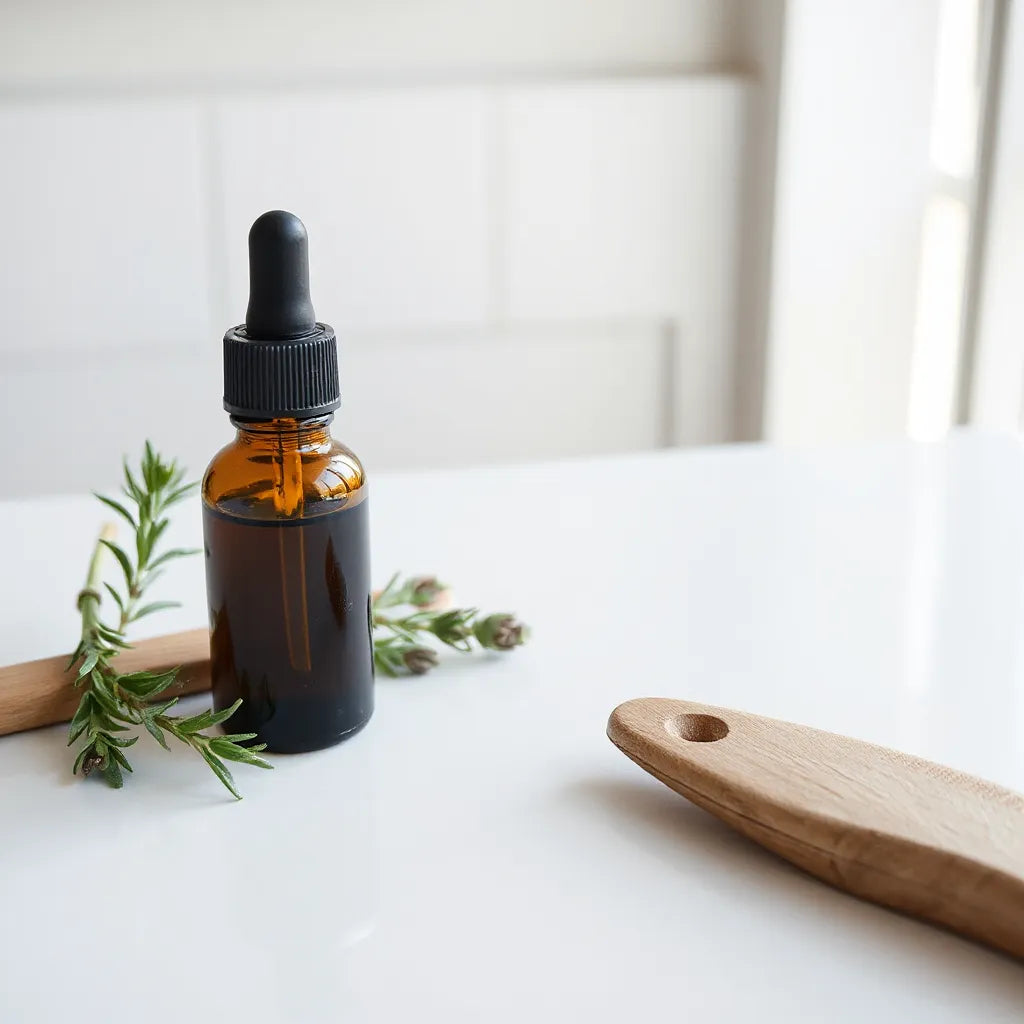
Essential Oils for Hair Growth: Simple Scalp Routine
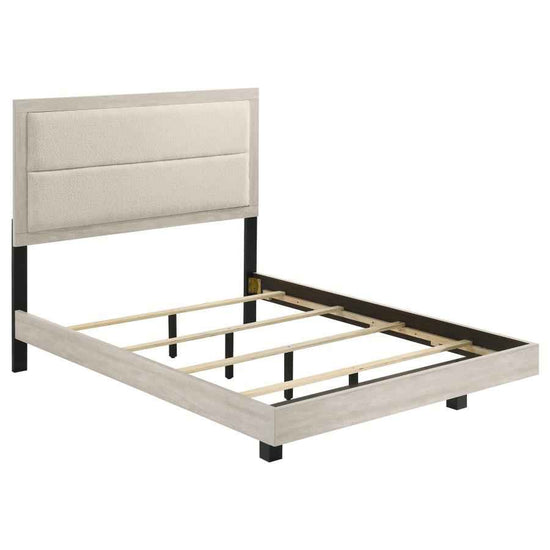
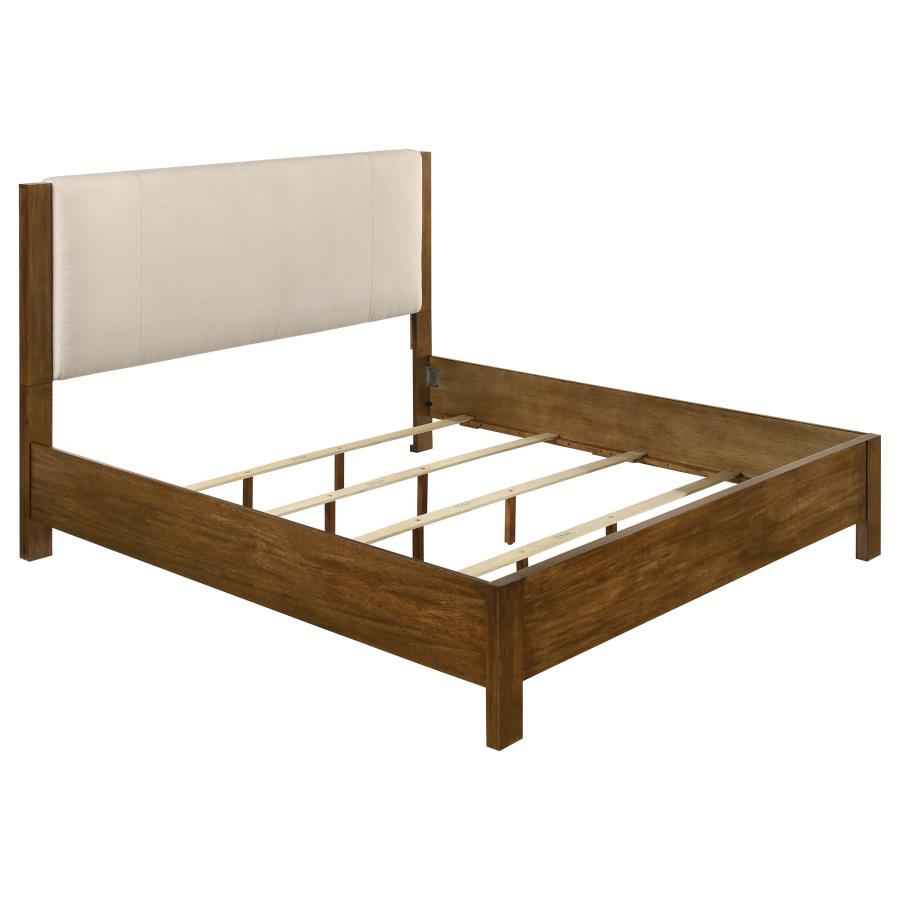
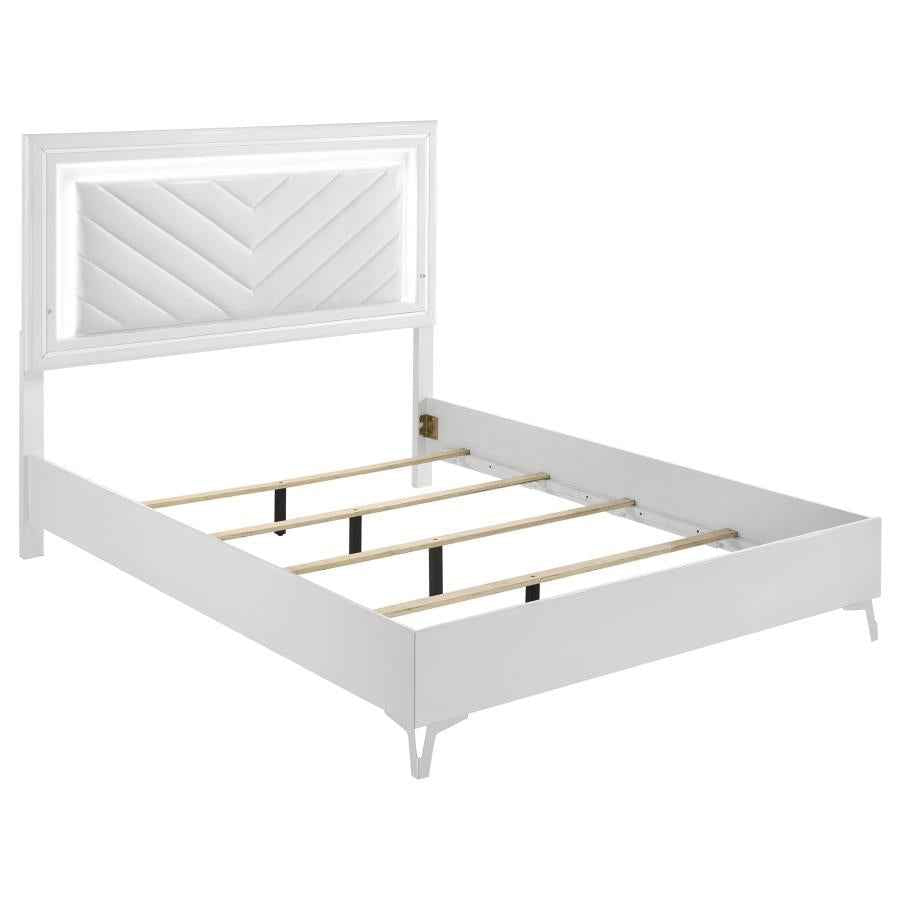
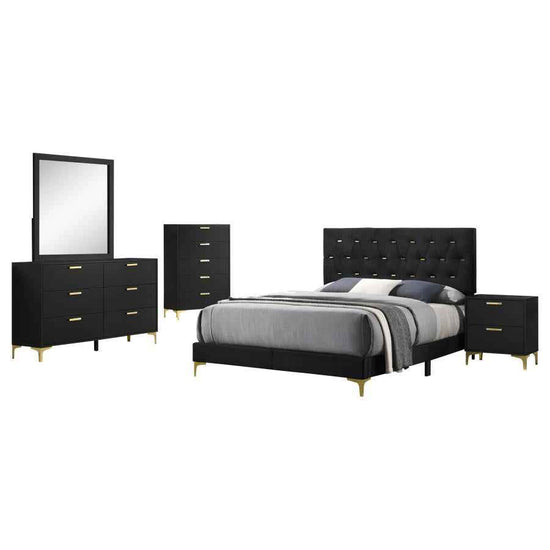
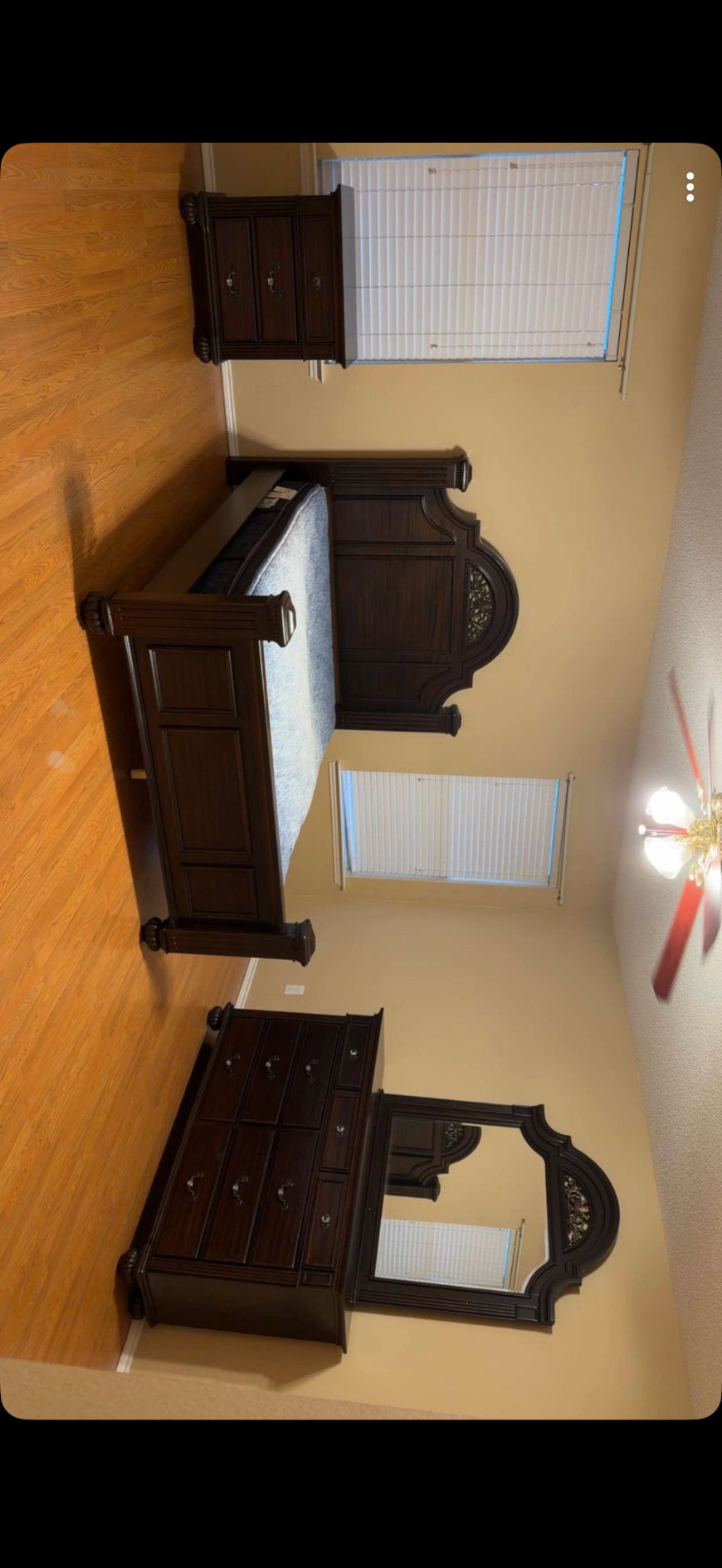
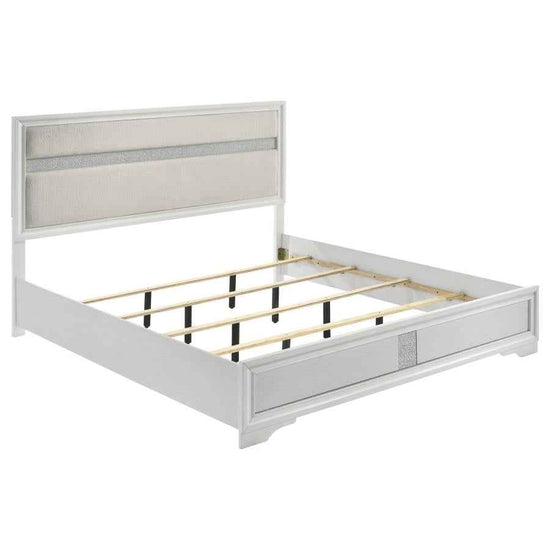
Updated on: 2026-07-27 If you have been trying to grow thicker, healthier-looking hair, you are not alone. Essential oils for hair growth can be a simple, scent-friendly way to support your scalp routine. The right oils paired with proper dilution help you build consistency without overcomplicating your day. In this guide, you will learn how to choose oils, mix them safely, and use them in real routines that fit your lifestyle. Why Essential Oils for Hair Growth Are Popular Myths vs. Facts How to Choose Essential Oils for Your Hair Goals How to Mix and Use Essential Oils Safely A Simple Routine You Can Actually Keep Real Customer Notes: What People Say Final Thoughts & Takeaways Why Essential Oils for Hair Growth Are Popular People look for essential oils for hair growth because hair care is often more about scalp support than quick fixes. Your hair starts at the root, and your scalp is the place where comfort, cleanliness, and routine consistency meet. Many essential oils have long been used in wellness traditions, and today they are commonly added to hair routines for their refreshing scents and their ability to make scalp care feel more intentional. When you use oils in a balanced way—proper dilution, gentle application, and steady habits—you give your scalp a more spa-like experience. That matters, because stress, dryness, and inconsistent care can make hair feel harder to manage. A well-designed routine can help you feel confident as your hair grows out and your overall look becomes more polished. Scalp-focused care: dropper, small bowl, calm steam lines Myths vs. Facts Essential oils can feel confusing online. Here are clear, practical truths to help you choose what fits your expectations. Myth: Essential oils will instantly make hair grow faster.Fact: Hair growth happens over time. Oils can support your routine by improving scalp comfort and consistency, not by creating instant results. Myth: The stronger the oil, the better it works.Fact: Concentration matters. Using undiluted oils can irritate the scalp. Dilution is part of safe, effective routine building. Myth: Any oil will work for every scalp type.Fact: Scalp needs vary. Dryness, sensitivity, and oiliness all change what feels comfortable and what you can repeat weekly. Myth: Essential oils replace shampoo and conditioner.Fact: They should complement your regimen. Clean scalp care first, then supportive oils on top. Myth: If you don’t see results quickly, oils are useless.Fact: Hair routines are habit-based. Track how your scalp feels, how your hair looks, and how you stay consistent. How to Choose Essential Oils for Your Hair Goals Choosing the right essential oils for hair growth means focusing on your scalp first, not only your strands. Start by asking two questions: Does your scalp feel dry, tight, itchy, or oily? And do you want a refreshing, balancing scent profile for your weekly routine? Below are popular options people often explore for scalp support. Use this as a shortlist, then select what fits your sensitivity level and routine style. Tea tree-style freshness for an energized feel Some people are drawn to tea tree oil because it has a clean, brisk character. It is commonly used in scalp care routines that aim for a refreshed feeling. If you tend to get buildup or your scalp feels like it needs extra attention, a carefully diluted blend can make your routine feel more complete. Rosemary-style support for a rooted routine Rosemary oil is a classic choice in hair routines. Many people like it because the scent feels herbaceous and grounding. It pairs well with carriers like jojoba or grapeseed oil, helping you apply oils evenly without making your hair feel greasy. Peppermint-style cooling for scalp comfort Peppermint oil is known for its cooling sensation. A tiny amount in dilution can make the scalp feel invigorated after washing or before bed. If you have a sensitive scalp, start conservatively and pay attention to comfort. Lavender-style calm for consistent, relaxing care Lavender oil brings a softer aroma that can make your routine feel like self-care. If you prefer calming scents, lavender can help you enjoy the process, which is one of the most underrated factors for seeing steady progress. Tip: When you choose, pick two oils max to start. Too many oils at once makes it harder to know what you like and what your scalp tolerates. Mixing palette: labeled aroma cards, measuring spoon, dilution guide How to Mix and Use Essential Oils Safely Safe use is where most people succeed—or struggle. Essential oils are powerful, so your goal is a supportive blend, not a concentrated splash. Start with a carrier oil that spreads well Carrier oils dilute essential oils so you can apply them gently. Many people choose jojoba, coconut, grapeseed, or sweet almond oil because they spread easily. Your carrier should not feel heavy to you, especially if you have fine hair or an oil-prone scalp. Use a simple dilution approach A conservative dilution is best for beginners. A common starting point is about 1% essential oil in your blend. That means you add a small amount of essential oil to your carrier, then mix well. Because every essential oil differs, always follow the guidance on your oil bottle for the most accurate dilution instructions. If you are unsure, keep it light at first. Hair care is a long game, and scalp comfort is your foundation. Do a patch test before going full routine Before applying your blend to your scalp, do a patch test. Apply a small amount behind the ear or on a small inner arm area and wait to see how your skin reacts. If there is irritation, stop and adjust. Apply with a light touch When you use your blend, section your hair and massage your scalp gently with your fingertips. Avoid nails. Think “comfort and circulation,” not pressure. Keep the routine relaxing so it becomes something you look forward to. Be mindful of how often you apply You do not need daily use. Many people find that 1–3 times per week feels sustainable and helps the scalp stay balanced. Overdoing oils can lead to buildup or irritation, especially if you sweat or style heavily. Important: Essential oils are for topical use only when appropriately diluted. If you are pregnant, have a medical condition, or have a history of scalp sensitivity, consider speaking with a qualified healthcare professional before starting new skincare or hair products. A Simple Routine You Can Actually Keep A routine that fits your life beats an “ideal plan” you do not repeat. Here is an easy routine you can customize using your preferred essential oils. Step 1: Wash to start fresh Begin with a gentle shampoo to remove buildup and reset your scalp. A clean base makes your scalp care blend feel more effective, and it reduces the chance of buildup. Step 2: Apply your diluted blend Part your hair into sections and apply a small amount of diluted oil to your scalp. Massage gently for a few minutes. Keep it comfortable and stop if you feel stinging or burning. Step 3: Choose a timing style Before bed: Apply after your evening wash so you wake up to a refreshed routine. After shower: Apply to damp or dry hair based on what feels best for your scalp. Quick refresh: Apply when you have time for a short massage and then rinse if your hair gets oily easily. Step 4: Keep styling simple Protect your scalp and hair by using styles that do not pull. Tight hairstyles can increase breakage and make hair feel thinner. If you wear protective styles, keep them comfortable and not too tight. If you want your whole home routine to feel more supportive, consider your daily environment too. Many people create better self-care habits when their space feels calm and organized. From Home & Sleep Outlet in Rowlett, TX, we focus on creating comfortable home setups with high-quality furniture and mattress options. If you enjoy winding down with your routine, you may also like exploring pieces such as a sleigh bed or dresser setup to keep your evenings relaxing. Queen low profile bed Matching night stand 7-drawer bureau for storage Real Customer Notes: What People Say Every scalp is different, but patterns show up in feedback. Here is the kind of experience many shoppers report when they build a consistent essential oil scalp routine. “My scalp feels calmer, and I stay consistent.” One customer shared that after a few weeks of careful dilution and gentle massage, their scalp felt less reactive. They emphasized that the routine made them more likely to stick with regular washing and conditioning. “The scent makes my routine feel like self-care.” Another shopper noted that lavender-style or herbaceous blends turned hair care into something they looked forward to. They did not chase extreme changes. Instead, they tracked comfort and routine success. “I started small and adjusted based on how I felt.” A third customer said they reduced frequency when their scalp felt dry and increased slightly when it felt balanced. Their lesson was simple: the best routine is the one you can maintain. What these notes have in common: people were not searching for miracles. They wanted a supportive routine that improved scalp comfort, helped with consistency, and made their hair feel easier to manage. Final Thoughts & Takeaways Finding the right approach to essential oils for hair growth is about smart choices, safe mixing, and habits you can keep. Instead of expecting overnight transformations, focus on how your scalp feels and how your hair responds over time. When you use a properly diluted blend, massage gently, and pair it with a clean, steady wash routine, you create a strong foundation for healthier-looking hair. If you are ready to simplify your routine, start with two essential oils, choose a carrier oil that spreads well, and commit to a repeatable schedule. Keep a quick note of how your scalp feels after each use. Consistency is what turns a product into progress. For a more comfortable home routine that supports your evenings and self-care, explore options from Home & Sleep Outlet in Rowlett, TX. A calm, well-organized space can make it easier to stay consistent with your hair care goals. Your next step: Pick one oil blend to try for a few weeks, use it safely, and adjust only if your scalp tells you it needs changes. Q: How often should I use essential oils for hair growth? A: Many people start with 1–2 times per week and adjust based on comfort. If your scalp feels dry or sensitive, reduce frequency. If your scalp feels balanced, you can stay consistent with the schedule that feels best. Q: Can I apply essential oils directly to my scalp? A: It is safer to avoid applying essential oils undiluted. Essential oils are concentrated. Always dilute them with a carrier oil and consider a patch test before using the blend more broadly. Q: What is the best way to choose oils for my hair routine? A: Choose based on your scalp needs and your comfort preferences. If you want a refreshing feel, start with oils that match that scent profile. If you want something calming, choose softer aromas. Begin with two oils max so you can track your results and tolerance. Disclaimer: This article is for general educational purposes and does not provide medical advice. Hair results vary by person and depend on many factors, including scalp condition and overall routine. If you have sensitive skin or any health concerns, consult a qualified professional before trying new topical products. Sulieman Alhazma CEO https://www.linkedin.com/in/sulieman-alhazama-7340b4324 I like making people happy
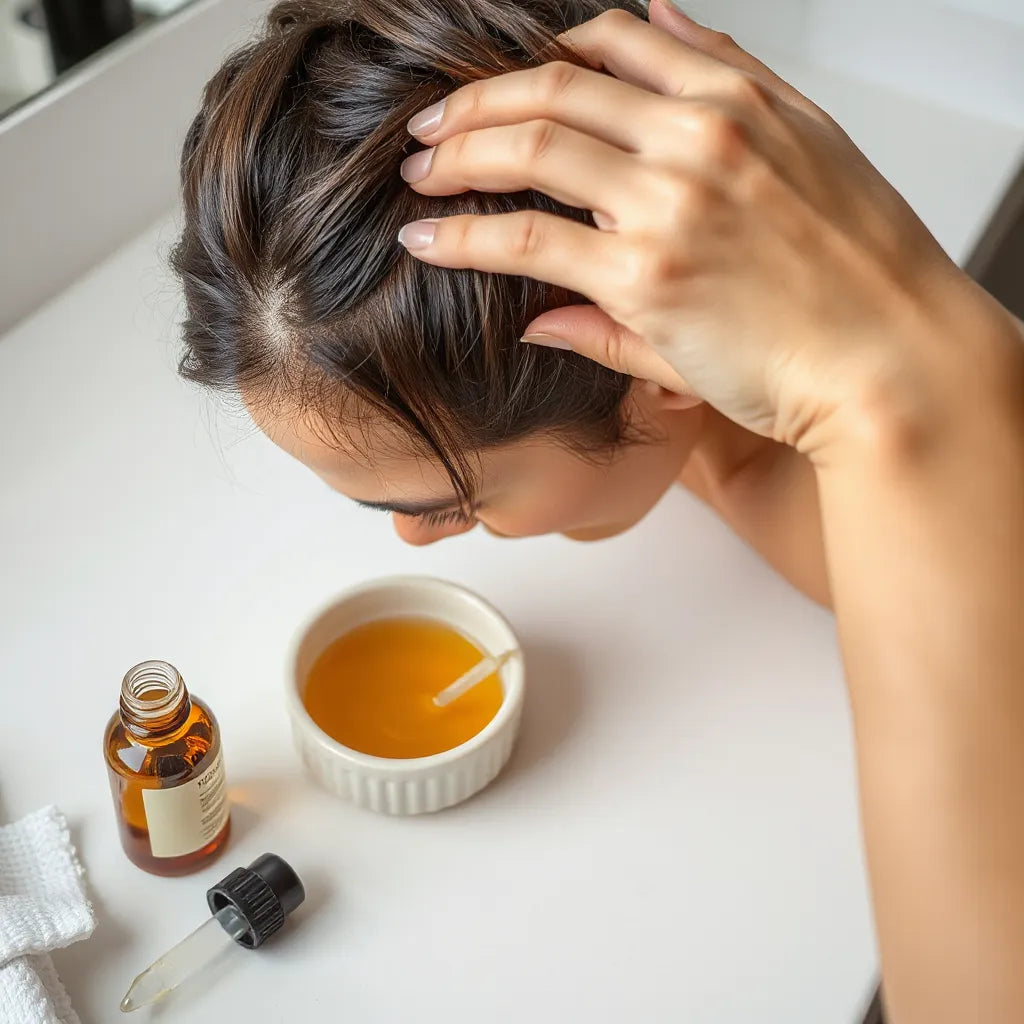
Scalp Treatment for Dandruff: What Works Best
Updated on: 2026-07-26 If you deal with itchy flakes, you already know how disruptive dandruff can be. A scalp treatment for dandruff helps target the problem at the source by supporting a clean, balanced scalp environment. When you use the right routine consistently, many people notice less itching, fewer visible flakes, and a more comfortable scalp feel. The best approach pairs an effective scalp formula with smart hair-washing habits that fit your day-to-day life. Table of Contents Buyer’s Checklist Step-by-Step Guide What to Look For in a Scalp Treatment for Dandruff Common Mistakes That Keep Dandruff Hanging Around Real Customer Stories How Long It Usually Takes to Feel Better FAQ Buyer’s Checklist Shopping for a scalp treatment for dandruff gets easier when you know what to prioritize. Use this quick checklist to choose a routine that matches your needs and your hair-washing schedule. Look for a targeted scalp formula: Choose a treatment designed for itchy, flaky scalp conditions rather than a basic conditioner. Check comfort and scalp feel: If your scalp burns, stings, or feels tight with some products, your routine won’t last. Prioritize gentle comfort. Confirm scalp-friendly use: Aim for products that you can apply directly to the scalp, not just through the hair. Choose a repeatable routine: The best treatment is the one you’ll actually use. Pick a format that fits your shower flow. Support your styling habits: If you wear hats often, use heat regularly, or sweat a lot, pick a plan that helps keep your scalp fresh between washes. If you’re building a full self-care setup for routines at home, you may also enjoy exploring how comfortable sleep and recovery support everyday wellbeing. For a home upgrade that pairs nicely with your morning routine, browse the Home & Sleep Outlet catalog. Step-by-Step Guide You don’t need a complicated system to manage dandruff. What you need is a steady routine that treats the scalp and then maintains cleanliness afterward. Follow this plan to get the most out of your scalp treatment. Start with clean, wet hair: Use warm water and fully wet your scalp so the formula can spread evenly. Apply treatment to the scalp: Focus on the areas with visible flakes or itching. Massage gently with fingertips for even coverage. Let it work for the recommended time: Give the active ingredients time to act on the scalp environment. Rinse thoroughly: Remove product buildup so your scalp can breathe and stay comfortable. Condition where needed, not everywhere: Apply conditioner mainly to hair lengths if you use one, to avoid overloading the scalp. Dry carefully: Pat with a towel and avoid rough rubbing, which can worsen irritation. Repeat consistently: Dandruff routines work best when you use your scalp treatment on a reliable schedule. Scalp massage routine shown with clean, simple icons What to Look For in a Scalp Treatment for Dandruff Not all dandruff solutions work the same way. A good scalp treatment for dandruff should help address common causes like irritation, imbalance, and buildup that can leave your scalp feeling uncomfortable. When you evaluate options, consider these practical features. 1) Direct scalp contact Many people try to treat dandruff by only caring for their hair lengths. But flakes and itch usually start at the scalp surface. Choose a formula intended for scalp application so you get coverage where it matters most. 2) Balanced cleansing Effective treatments support a clean scalp environment without leaving you feeling stripped. If your scalp feels dry right after washing, that can lead to more discomfort and more noticeable flaking. 3) Supportive ingredients that fit your routine When your skin and scalp feel calm, your whole routine becomes easier. Seek a treatment that feels comfortable in repeated use so you’re more likely to stick with it. 4) Easy repeat use Dandruff management is often about consistency, not one-time fixes. If the product is hard to use or too heavy, you may skip it. Choose a scalp treatment that’s simple to apply and easy to rinse. Some routines pair a scalp-focused cleanse with gentle hair care. This combination helps you keep your scalp comfortable while still enjoying manageable hair. If you’re shopping for a complete home and personal care rhythm, it can help to create “set-and-forget” habits for both hair and rest. Routine calendar and comfort icons for steady scalp care Common Mistakes That Keep Dandruff Hanging Around Even with a good product, a few routine slip-ups can keep flakes coming back. Here are the most common issues people run into and how to avoid them. Using the wrong amount Too little product may not reach the areas that need it. Too much can leave residue. Aim for even scalp coverage without overloading your scalp. Skipping the scalp massage step A gentle massage helps distribute the treatment across the scalp surface. It also supports a more even rinse, which can reduce lingering buildup. Rinsing too fast Rushing through rinsing can leave traces of product behind, especially if you use other hair products. Take a little extra time to rinse until the scalp feels clean. Over-washing or under-washing Both extremes can irritate your scalp. Over-washing can dry you out, while under-washing can let oil and buildup build up. A consistent washing cadence helps the treatment work as intended. Not adjusting after lifestyle changes Sweat, heat styling, and frequent hats can affect your scalp environment. If your routine changes, your dandruff management plan may need minor adjustments to stay comfortable. Real Customer Stories Hearing how others handled persistent flakes can help you feel confident about your own plan. Here are relatable experiences people share when they find the right scalp treatment routine. Story 1: The “itch all day” turning into “calm scalp” One shopper described how their scalp itched shortly after washing. After switching to a scalp-first routine and applying the treatment directly to the scalp with gentle massage, they noticed less itching over time. They also felt more comfortable wearing hats because their scalp didn’t feel as reactive. Story 2: Visible flakes became less noticeable Another customer said their flakes were hardest to manage during busy weeks. They started using their scalp treatment on a consistent schedule and paired it with thorough rinsing. Over multiple washes, they felt that the flakes were less visible and their hair looked cleaner longer. Story 3: A routine they could actually stick with Several people mention that the biggest win wasn’t just results, but a routine that felt doable. When a scalp treatment for dandruff matched their shower timing and scalp comfort needs, they continued it instead of quitting after a few attempts. These stories are typical of what many people experience when they choose a treatment designed for the scalp and follow a repeatable plan. Your results may vary, but a consistent routine is often the key difference between frustration and progress. If you’re the kind of person who likes matching routines with a comfortable home environment, you can also explore furniture options that make daily time feel easier. For example, consider how a relaxing bedroom setup supports your wind-down habits. You might like the calm look of a queen sleigh bed as part of your overall comfort plan. How Long It Usually Takes to Feel Better Many people want immediate results, but dandruff routines often work in stages. Early on, you may notice less itching and a more comfortable scalp feel. With continued use, flakes can become less noticeable and your scalp may feel more balanced. Because everyone’s scalp and routine are different, the best way to track progress is to pay attention to three signals: Itch level: Are you scratching less or feeling less irritation? Flake visibility: Are flakes fewer and less obvious after washing? Scalp comfort: Does your scalp feel calmer between washes? Stick with your plan long enough to see what it can do, and keep your routine consistent. If your scalp feels overly irritated or your condition doesn’t improve, consider adjusting your approach or seeking guidance from a qualified healthcare professional. Important note: This content is for general education and shopping guidance and is not a substitute for medical advice. FAQ What is a scalp treatment for dandruff supposed to do? A scalp treatment for dandruff is designed to help manage itchy, flaky scalp conditions by supporting a cleaner, more balanced scalp environment. Many routines focus on direct scalp application so the formula reaches where flakes and irritation begin. How often should I use my dandruff scalp treatment? Use it according to the product instructions and your personal comfort level. Consistency usually matters more than intense, one-time use. If you notice dryness or irritation, you may need to adjust how frequently you apply it while still staying consistent. Can I use conditioner if I’m treating dandruff? Yes, but apply conditioner mainly to your hair lengths rather than the scalp. This helps keep your scalp from feeling overloaded while still supporting softer, more manageable hair. Will changing my hair-washing routine help? Often, yes. A steady washing cadence plus thorough rinsing can reduce buildup that contributes to flaking. If you sweat often, use heat styling, or wear hats regularly, staying consistent and adjusting as needed can make a noticeable difference. Sulieman Alhazma CEO https://www.linkedin.com/in/sulieman-alhazama-7340b4324 I like making people happy
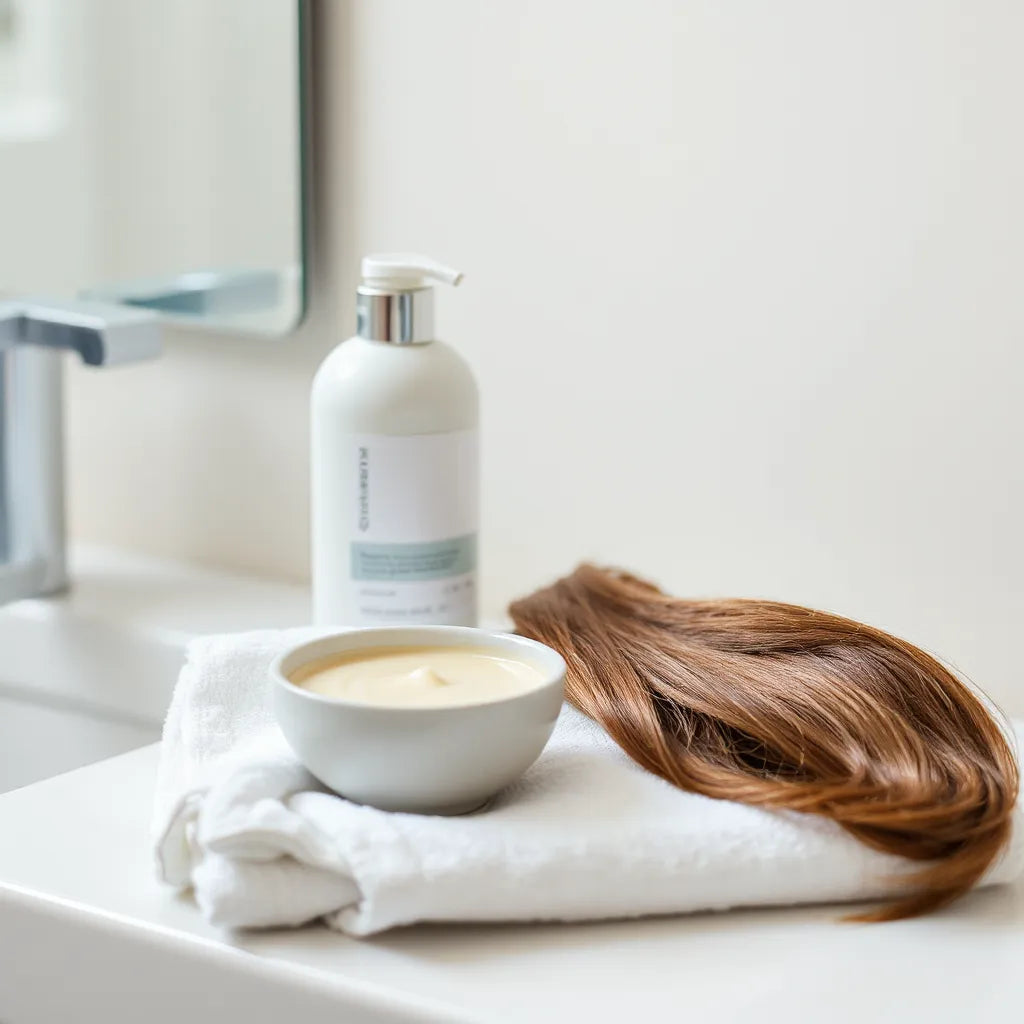
Color-Safe Conditioner Guide for Vibrant, Soft Hair
Updated on: 2026-07-24 A color-safe conditioner helps keep dyed and colored hair looking vibrant while supporting a soft, smooth feel. The right formula can reduce dryness and frizz, which often make color appear dull faster. It also makes detangling easier, so you can style with less tugging. If you color your hair, using the correct conditioner is one simple routine step that can make a noticeable difference. 1. Why Color-Safe Conditioner Matters 2. Key Benefits of a Color-Safe Conditioner 3. How to Choose the Right Color-Safe Conditioner 4. Step-by-Step Guide to Using Color-Safe Conditioner 5. Real-Life Results and Customer Notes 6. Pair It With the Rest of Your Hair Routine 7. Q&A Why Color-Safe Conditioner Matters Color treatments can leave hair feeling softer at first, but over time, color can fade more quickly when strands are not properly cared for. A color-safe conditioner is designed to support your hair’s surface after washing, helping reduce the dull, washed-out look that can happen when hair becomes dry or rough. When hair is dry, it tends to tangle more easily and reflect less light. That means even a great dye job may start to look muted sooner than you want. A conditioner built for color care helps smooth the hair, improve manageability, and support a glossy finish. It’s not just about appearance. Color-treated hair often feels different—sometimes more porous, sometimes more prone to frizz. The right conditioning routine can help your strands feel stronger and look more consistent wash after wash. Color vibrancy shield, smooth strands, reduced frizz icons Key Benefits of a Color-Safe Conditioner Helps preserve vibrancy: Conditioning support can help your hair look more “fresh” for longer by reducing dryness that dulls color. More softness and slip: You get smoother, easier detangling—less pulling, less breakage from rough handling. Less frizz and flyaways: A well-designed conditioner helps hair lie flatter and feel more polished. Improved manageability: Brushing and styling can feel more effortless, especially on colored ends. Comfortable everyday routine: After shampoo, conditioner becomes a quick step that boosts the look and feel of your hair. If your main goal is keeping your color looking true, a conditioner made for color care is one of the easiest places to start. It works with your wash day, not against it. How to Choose the Right Color-Safe Conditioner Not every conditioner that feels good in the shower is the best choice for color-treated hair. When you shop, focus on matching the formula to your hair’s needs—especially if you dye, highlight, or tone your hair. Look for color-friendly conditioning performance Choose a conditioner that supports softness and smoothness without stripping away the look you worked hard for. If your hair gets dry quickly, prioritize hydration and friction reduction. Consider your texture and length Fine hair may need lighter conditioning so it doesn’t feel heavy. Thicker hair often benefits from richer smoothing, especially through the mid-lengths and ends. Use your own experience as the guide. If your hair feels coated after rinsing, try using a smaller amount or switching to a lighter option. If your ends feel rough, increase focus on conditioning where dryness shows up most. Check for gentle, dependable daily use Many people wash their hair often. If that’s you, pick a conditioner that you can use consistently as part of a routine. The best product feels pleasant to wear every day and helps you maintain a polished look between salon visits. Pair with a matching shampoo Conditioner works best when the shampoo you choose doesn’t undo the benefits. If your shampoo is too harsh for colored hair, your conditioner may not be able to fully compensate. Aim for a compatible wash-and-care routine. If you want to browse related home comfort essentials that fit your lifestyle, you may also enjoy exploring NuEraFinds for everyday upgrades. Step-by-Step Guide to Using Color-Safe Conditioner Consistency is where the results often show up. Use the routine below to get maximum conditioning benefits without overdoing it. 1) Start with color-safe shampoo Wash your hair with a gentle shampoo that supports color-treated strands. Focus on the scalp and roots, then let lather naturally run through the lengths. 2) Apply conditioner from mid-lengths to ends Work the conditioner through the hair starting at mid-lengths, then concentrate on the ends. These areas usually show dryness first, especially for dyed hair. 3) Detangle with care Use a wide-tooth comb or fingers to gently detangle while the conditioner is in. Slow down and avoid forcing knots apart. The goal is easier movement and less friction. 4) Let it sit briefly Follow your product’s guidance, then rinse thoroughly. If you want extra smoothing, spend a little more time focusing on the hair ends while the conditioner is on. 5) Rinse until it feels clean Conditioner should leave hair soft, not heavy or coated. If your hair feels weighed down, rinse a little longer next time. 6) Style with heat awareness Color can be sensitive to heat. If you use hot tools, keep the settings moderate and apply styling support. Even a small change in heat habits can help your color look more consistent. Routine flow: shampoo, conditioner, detangle, rinse, shine Real-Life Results and Customer Notes People don’t buy conditioners just to feel good in the shower—they want hair that looks better in real life. Here are common outcomes customers often mention when using a conditioning routine designed for color care. “My color looks fresher between appointments.” Many color wearers notice that when their hair stays softer and smoother, the shade appears more even. That “fresh” look often comes from reduced dryness, easier detangling, and less frizz. “Detangling is easier and my hair feels calmer.” One of the most practical benefits is improved slip. When conditioner makes detangling effortless, it reduces tugging and helps your hair feel more comfortable after washing. “My ends don’t look as dry.” Dyed ends often take the biggest hit from everyday wear. A conditioner that supports hydration and smoothness helps the ends blend better and feel less rough to the touch. Customer notes vary by hair type, but the pattern is consistent: conditioning that supports colored hair helps keep strands feeling manageable and looking more vibrant. Pair It With the Rest of Your Hair Routine A color-safe conditioner is strongest when your overall routine supports it. Small adjustments can improve how your color looks after each wash. Wash less frequently when possible More frequent washing can strip natural oils that help hair look healthy. If your schedule allows, try spacing out washes. When you do wash, use conditioner to restore softness. Use cool or lukewarm water Hot water can contribute to dryness. Lukewarm rinses help keep hair feeling smoother while you get your scalp and strands clean. Protect from sun and environmental stress Sun exposure and harsh environmental conditions can fade color. Consider protective steps like hats or hair-friendly coverings when you’re outdoors for long periods. Choose styling products that don’t fight your conditioner If you use leave-in products, serums, or styling creams, select options that complement your conditioning routine rather than creating buildup. A lighter approach can keep your hair looking glossy without feeling coated. Shop with confidence for your wash-day needs If you love building an organized home routine, you may enjoy the kind of quality craftsmanship you see across furniture and sleep essentials. For example, Home & Sleep Outlet in Rowlett, TX carries a wide selection from brands like Coaster, Furniture of America, Meridian, and New Classic, along with financing and local delivery. You can even browse a few options like a night stand to keep your bathroom or bedroom setup tidy while you get ready for your day. And if you’re also shopping for sleep comfort, mattresses and complete room sets can make routines easier—especially when you want a calm, consistent start to your day. A well-organized space helps you stick to your hair care habits. Q&A How is a color-safe conditioner different from a regular conditioner? A color-safe conditioner is formulated to help protect the look of dyed hair. It focuses on smoothing and conditioning that supports vibrancy by reducing dryness and frizz that can make color appear dull over time. How often should I use a color-safe conditioner? You can use it during every wash day if that matches your hair’s needs. If your hair feels heavy or coated, use a smaller amount or apply only to mid-lengths and ends. Will conditioner really help faded color? Conditioner can’t reverse dye or fully restore color once it’s gone, but it can help your hair look more even and vibrant by supporting softness, shine, and manageability. Many people notice a fresher appearance between salon visits. What should I avoid to keep my hair color looking better? Avoid overly hot water, rough detangling, and heavy product buildup. Also, be mindful of heat styling frequency and intensity. Pairing conditioning with gentle care often supports a more consistent color look. Disclaimer This article is for general informational purposes only and is not intended as medical advice. Results can vary based on hair type, dye chemistry, water conditions, and styling habits. Always follow the directions on the product label and consider patch testing if you have sensitivities. Sulieman Alhazma CEO https://www.linkedin.com/in/sulieman-alhazama-7340b4324 I like making people happy
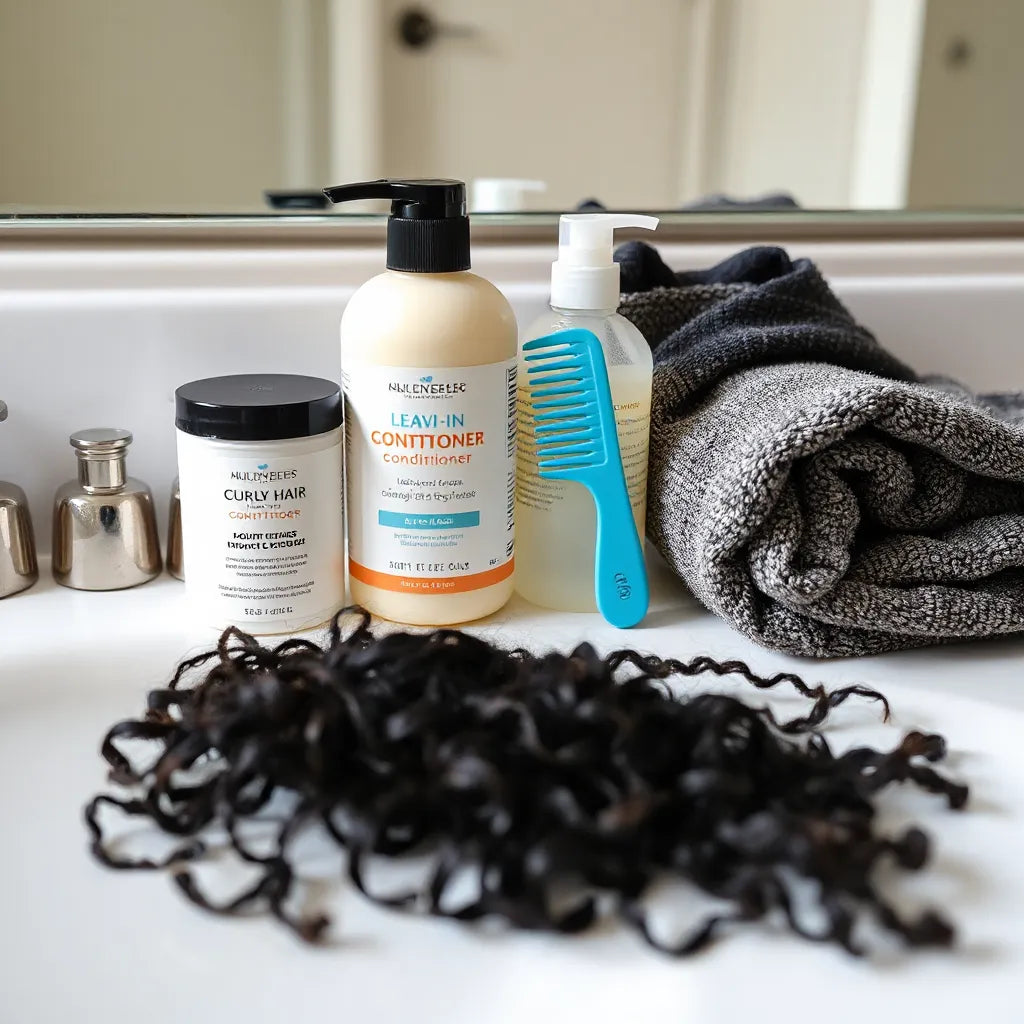
Curly Hair Products: What to Look For and Why
Updated on: 2026-07-22 Curly hair products help you define your pattern, reduce frizz, and keep curls looking fresh longer. With the right wash routine, leave-in support, and styling basics, your hair can feel softer, look fuller, and hold its shape without crunch. This guide walks you through what to look for, how to build an everyday routine, and when to choose curl-focused tools. If you want curls that cooperate—from wash day to day three—start here. Table of Contents 1. Buyer’s Checklist 2. Step-by-Step Guide 3. Common Mistakes That Cause Frizz 4. Match Products to Your Curl Type 5. What Shoppers Say 6. Storage and Care Tips for Better Results 7. FAQ Buyer’s Checklist If you have curls, you already know the challenge: moisture needs to stay in, frizz needs to stay out, and styles need to last through real life. The best curly hair products do that without making your hair feel heavy or stiff. Use this checklist before you add anything to your cart. Hydration first: Look for shampoos and conditioners that support moisture and slip. Your curls should feel smoother when you rinse. Leave-in support: Choose a leave-in conditioner or cream to help detangle and reduce dryness between washes. Frizz control: Find products that use lightweight smoothing ingredients to help your cuticle lie flatter. Strong-but-flexible hold: Select gels or mousses that form a cast (if you like it) or provide flexible definition that won’t feel crunchy. Heat and humidity readiness: If your routine includes styling tools or you live in changing weather, prioritize products that help with hold and anti-frizz performance. Scalp comfort: Keep your scalp in mind. If you feel buildup or dryness, choose formulas that clean without stripping. Texture match: If you have fine curls, aim for lighter creams. If you have thick hair, you may need more structured support for definition. Ready to shop with confidence? Build your set around your biggest pain point, then layer the rest. Many curl routines work best when they start with moisture and end with the right hold. Curly hair routine steps shown as labeled icons Step-by-Step Guide A good curl routine is simple. It focuses on three wins: consistent moisture, clear definition, and long-lasting style. Use these steps as a foundation, then adjust based on how your hair reacts. Cleanse with intention: Wet hair fully. Massage shampoo into your scalp with gentle pressure. Avoid scrubbing lengths too aggressively. Rinse until water runs clear. Condition for slip: Apply conditioner from mid-length to ends. Detangle with fingers or a wide-tooth comb while hair is saturated. Rinse thoroughly, but don’t rush the smooth finish. Apply leave-in on damp hair: Work a small amount through curls. Focus on the ends first, then distribute upward. This step helps lock in comfort and improves styling results. Add definition: Choose a cream for a softer look or a gel for more shape. Apply in sections for even coverage. If you like extra volume, use gentle finger-coiling or light scrunching. Set your style: Let hair air-dry or use a diffuser on low heat. Avoid touching curls while they form. Once dry, break the cast with a light scrunch if your product creates one. Refresh between washes: Use a curl-friendly mist or small amount of gel/cream on dry curls. Smooth flyaways, then scrunch lightly to revive shape. When you follow this order, you give your curls what they need at each stage. That is how curly hair products deliver reliable results instead of random “good days.” Common Mistakes That Cause Frizz Frizz usually isn’t about “bad hair days.” It is often the result of avoidable routine issues. Here are the most common mistakes and how to correct them. Overusing heavy products: Too much cream can weigh curls down and lead to uneven drying. Start with smaller amounts and add only if needed. Skipping leave-in: If your hair feels dry or tangles easily, leaving out leave-in support can make styling harder and increase frizz. Rough towel drying: Vigorous rubbing lifts the cuticle and creates puff. Use a soft microfiber towel or gentle blotting. Touching curls too soon: If you shake or comb curls while they are still wet, you disturb the set and invite frizz. Too much heat, not enough protection: If you use a blow dryer, use lower heat and finish with calmer airflow. Overheating dries curls and makes them rebel. Ignoring the water factor: Your results often depend on whether hair is evenly damp during styling. If your hair is not wet enough, product can’t spread well. Fixing even one mistake can make a visible difference. When you choose the right curly hair products and use them in a curl-friendly way, you set yourself up for smoother, more defined results. Match Products to Your Curl Type Curls are not one-size-fits-all. Your best routine depends on strand thickness, curl pattern, and how quickly your hair gets dry. Use these guides to choose what to try next. Loose waves and curlier waves If your hair forms soft bends rather than tight curls, you may need lightweight hydration and a flexible hold. Look for conditioners that feel silky, then use a light cream or mousse for definition without heaviness. Ringlets and medium curls Ringlets often need balanced moisture and hold. A leave-in conditioner plus a curl gel can help you build definition that stays neat. If you struggle with frizz, focus on better sealing at the ends. Tight coils Tighter coils can be drier and more sensitive to friction. Choose deeper moisturizing conditioners and a leave-in that supports softness. For styling, a stronger hold gel can give structure so your curls maintain their shape as they dry. If you are unsure where to start, begin with a moisture-focused wash and conditioner, then add one definition product. Once you see how your hair responds, refine your routine rather than changing everything at once. Hair moisture vs. frizz balance shown with two dials What Shoppers Say Real routines matter more than theory. Here are common outcomes people seek when they switch to curl-focused styling and care. More definition: Many shoppers say their curls look clearer and feel less “separated” after they use leave-in plus a supportive gel or cream. Less frizz: People often notice smoother surfaces after they reduce rough drying and use anti-frizz support during styling. Better longevity: A simple refresh step helps curls hold shape longer, especially when you reapply a small amount to dampen and re-set. Softness without heaviness: Shoppers love routines that reduce crunch and keep curls touchable, especially when hold is flexible. One recurring theme: curls perform best when products are layered with purpose. You do not need a huge shelf to get results—you need the right order, consistent application, and enough moisture to keep curls happy. If you also want your home routine to feel easier, consider upgrading your everyday comfort setup. Home & Sleep Outlet in Rowlett, TX offers quality furniture and mattresses, plus financing options and local delivery. Build a space where you can take your time with your routine and feel good between wash days. Explore options at Home & Sleep Outlet. Storage and Care Tips for Better Results Even the best curly hair products can underperform if they are stored poorly or used inconsistently. These small habits protect your investment and help your curls look their best. Close caps tightly: Air exposure can change how formulas perform over time. Keep away from extreme heat: Avoid places where products sit in direct sun or near warm appliances. Use clean hands or tools: This helps reduce contamination and keeps formulas fresh. Shake gels or emulsions when needed: Some formulas separate naturally. Follow the label direction for how to mix. Adjust seasonally: Humidity may call for stronger hold. Dry months may call for extra leave-in support. When your products perform consistently, your curl results become predictable. That confidence makes it easier to stick with your routine and fine-tune over time. Optional bundle idea for beginners If you are starting fresh, a simple set usually includes: a moisturizing shampoo, a slip-rich conditioner, a leave-in conditioner, and one styling product for definition. Add a gel if you want more shape or a stronger hold. Keep the routine small at first, then add one product at a time. FAQ How do I choose the right curly hair products for my routine? Start with your biggest goal. If frizz is your top issue, look for smoothing and anti-frizz support. If your curls feel dry, prioritize moisture-rich wash and leave-in steps. Then choose one definition product with a hold level that matches your hair thickness. Layer in small amounts and adjust after a few washes. Should I use gel or cream for curl definition? Gel usually offers more structure and longer-lasting shape. Cream often gives a softer feel and can work well for lighter definition. Many routines use both: cream for moisture and gel for hold. If you want touchable curls with less crunch, select a flexible hold gel and break the cast gently once hair is dry. How can I reduce frizz without overloading my hair? Use less product and focus on even distribution. Apply leave-in to damp hair, then apply styling in sections. Avoid rough towel drying, and do not touch curls while they set. For refresh days, add only a small amount to re-wet and re-set the curl pattern instead of re-applying your entire routine. How often should I refresh curls between washes? Refresh depends on your hair type and your schedule. If your curls lose shape quickly, refresh every day with a light mist and a small amount of gel or cream. If your hair holds shape better, refresh every two to three days. Aim to rehydrate and re-define, not re-wash. Disclaimer: This article provides general hair care guidance and product selection tips. Individual results vary based on hair texture, environment, and personal routine. If you have concerns about your hair or scalp, consider consulting a qualified professional. Sulieman Alhazma CEO https://www.linkedin.com/in/sulieman-alhazama-7340b4324 I like making people happy