Updated on: 2026-07-17
Organic hair care is more than a label. It’s a practical way to build a routine that supports a healthy scalp and softer, more manageable hair. When you choose gentler, plant-forward formulas, you can reduce the odds of buildup and that “dry but oily” feeling many people struggle with. In this guide, you’ll learn how to pick products, what to expect over time, and how to create a simple routine that fits real life.
Contents
- 1. What organic hair care really means
- 2. Myths vs. Facts about organic hair care
- 3. How I built my routine (and what changed)
- 4. How to choose the right organic hair care products
- 5. A scalp-first approach for healthier strands
- 6. Simple routine you can follow
- 7. What to expect over time
- 8. Real results from real routines
- 9. Final thoughts & takeaways
1. What organic hair care really means
Organic hair care is designed around formulas that rely on ingredients grown with organic practices and processed to keep the product profile close to what nature intended. For many people, that matters because hair and scalp care works best when your routine is consistent, gentle, and easy to maintain.
In day-to-day use, the goal is simple: help your scalp feel balanced, reduce unwanted residue, and support hair that looks and feels better. You still need the right basics—cleaning, conditioning, and protection—just without the heavy “film” feeling that can come from certain harsh or overly stripping products.
Think of it like upgrading your foundation. When your scalp is comfortable and your strands are not coated or dried out, styling becomes easier, and your hair routine feels less like a chore.
2. Myths vs. Facts about organic hair care
-
Myth: Organic hair care is only for people with sensitive skin.
Fact: Many people choose organic formulas for everyday comfort, smoother texture, and a cleaner rinse that supports consistent routines. -
Myth: Organic products always work instantly.
Fact: Hair changes gradually. You may notice softer feel sooner, while balance and manageability often improve with steady use. -
Myth: “All-natural” means no performance.
Fact: Organic hair care can still deliver great conditioning, slip, and detangling when formulas are built for everyday use. -
Myth: If it’s organic, you can skip conditioner.
Fact: Conditioner is still key. It helps reduce tangles, improves softness, and supports a healthier feel between washes.
3. How I built my routine (and what changed)
I used to switch products constantly. One shampoo made my hair feel dry, while the next one left my scalp feeling weighed down. The real turning point happened when I chose an organic hair care routine built around scalp comfort and consistent conditioning.
I focused on three habits: using a gentle cleanser, conditioning every time, and being more careful with how I applied products. I also paid attention to rinsing. Once my routine felt calmer, my hair became easier to manage—less tangling, fewer “bad hair days,” and a smoother look that lasted longer between wash days.
What surprised me most was how quickly my mornings improved. When your hair cooperates, you save time. And when your scalp feels comfortable, you’re more likely to stick with the routine that actually works for you.

Scalp comfort symbols and gentle rinse visuals
4. How to choose the right organic hair care products
Choosing the right products is where many people get stuck. You don’t need a complicated system. You need a routine that matches your scalp and hair needs.
Start with your scalp, not just your hair
If your scalp feels tight, itchy, or easily irritated, look for formulas that are designed for daily comfort. A balanced scalp tends to support healthier-looking hair from the roots.
Pick a cleanser that fits your wash frequency
Some people wash more often. Others prefer fewer washes. Your cleanser should help you feel clean without leaving hair harsh or overly dry. If you notice buildup, your shampoo may be too heavy or not suited to your routine.
Choose conditioner for slip and detangling
Conditioner is your main tool for softness and manageability. Look for a formula that helps you detangle gently. When conditioner works well, brushing feels easier and styling takes less effort.
Add a simple treatment when you need it
Instead of using multiple specialty steps, choose one targeted treatment. That could be a deep conditioner for extra softness, or a light leave-in for smoothing. The best option is the one you’ll actually use consistently.
Check how the products feel
Hair care is personal. If a product feels too heavy, too drying, or leaves residue, it won’t earn a permanent spot in your routine. Choose the products that make your hair feel comfortable right away.
If you’re also updating your home routine, you may like exploring other comfort-focused upgrades from Party Savvy. Sometimes small environment changes make it easier to enjoy your self-care rituals, including your hair routine.
5. A scalp-first approach for healthier strands
Hair doesn’t start at the ends. It starts at the scalp. When your scalp is too dry, too oily, or too irritated, your hair can look dull, feel rough, or tangle more easily. Organic hair care helps you approach scalp care with a gentler mindset.
Here’s how to apply a scalp-first strategy:
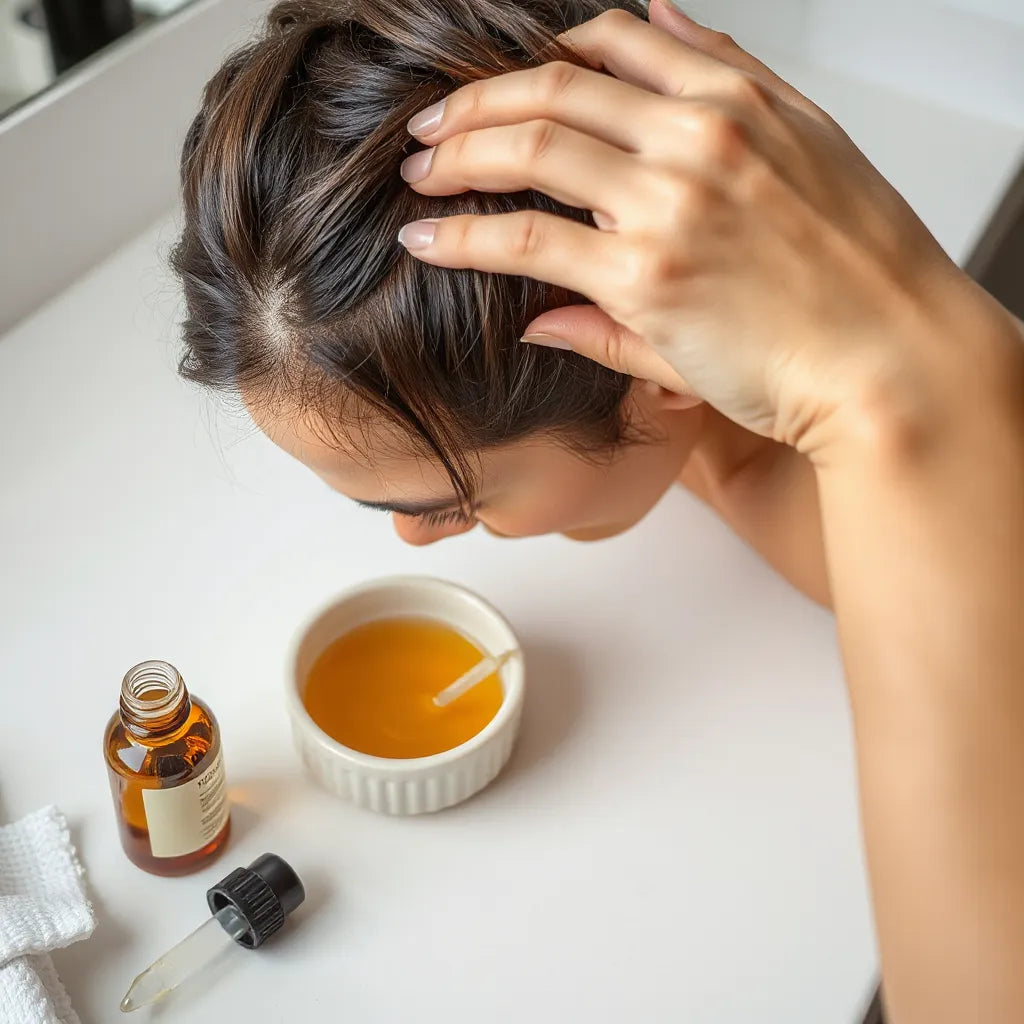
- Massage gently: Use your fingertips, not your nails. Focus on the scalp to support circulation and even cleansing.
- Use the right amount: More product doesn’t always mean better results. A controlled amount helps prevent buildup and keeps rinsing easier.
- Rinse thoroughly: Residue can affect shine and feel. Take a moment to rinse until water runs clear.
- Condition where it makes sense: Most people benefit from concentrating conditioner from mid-lengths to ends, then adjusting based on hair type.
This approach tends to create the kind of balance that supports smoother texture and easier styling.
6. Simple routine you can follow
Here’s a straightforward routine built for everyday success. It’s designed to support consistent results without turning your bathroom into a lab.
Step 1: Cleanse with intention
Use your organic hair care shampoo to cleanse your scalp and roots. Massage gently, then rinse fully. If you’re prone to buildup, concentrate on scalp cleaning while keeping lather mostly on the roots.
Step 2: Condition to soften and detangle
Apply conditioner after shampoo. Focus on mid-lengths and ends, then detangle gently with fingers or a wide-tooth comb. Give it time to work, then rinse.
Step 3: Style with less friction
When your hair is conditioned, it’s often easier to style. Choose tools that reduce pulling and avoid aggressive brushing. If you use heat, apply it thoughtfully and keep sessions controlled.
Step 4: Add one extra step when needed
On days when your hair feels drier or more tangled, add a targeted treatment. The key is to keep it simple and consistent, not overwhelming.

Routine flow icons: cleanse, condition, style, protect
7. What to expect over time
Organic hair care routines are often most noticeable when you give them a little time. Your hair and scalp need consistency to recalibrate. Here’s a realistic view of what many people experience.
- Early comfort: Many people feel less residue and a more comfortable scalp after a few washes.
- Improved softness: Conditioner performance often shows up quickly in the form of easier detangling and smoother feel.
- More balanced look: With continued use, hair may look shinier and feel lighter, with less “drag” or dull texture.
- Better styling: When your hair behaves better, you spend less time forcing a look that doesn’t want to cooperate.
Keep in mind that everyone’s hair is different. If you have highly textured hair, color-treated hair, or a sensitive scalp, your timeline may vary. The best strategy is to track how your hair feels after each wash and adjust only one variable at a time.
8. Real results from real routines
Below are common outcomes people describe after switching to an organic hair care approach. Since everyone’s routine and hair type differ, treat these as directionally helpful, not guaranteed results.
Testimonial-style feedback
- “My scalp feels calmer.” After switching to gentle plant-forward formulas, one shopper said they felt less irritation and had a routine they could stick with.
- “My hair feels softer, not heavy.” Another customer noted smoother detangling and a lighter feel between washes, especially when they conditioned consistently.
- “My mornings got easier.” Several people mention faster styling once their hair texture improved and they stopped fighting tangles.
- “Less buildup, better rinse.” A common theme is improved rinsing and reduced “coated” feeling.
These results point to the same theme: when your hair care products match your scalp needs and your conditioning routine is consistent, hair becomes easier to manage.
9. Final thoughts & takeaways
If you’re looking for a hair routine that feels better and performs better, organic hair care can be a strong starting point. The most effective approach is simple: cleanse gently, condition consistently, and make small adjustments based on how your scalp and hair feel.
Your best next step: Choose a cleanser that supports comfortable scalp care, add a conditioner that helps detangle and soften, and consider a single treatment step only when you need extra help. Consistency usually beats complexity.
If you enjoy browsing home comfort upgrades as part of your everyday self-care, you can also check out related comfort-focused options from a nightstand that supports a relaxing setup at Home & Sleep Outlet. A calmer sleep space often makes it easier to stick with morning and evening routines.
Ready to build your routine? Start with your next wash. Choose products that feel gentle, rinse clean, and make your hair easier to style. Then give it a few weeks of steady use before making changes.
Q&A
Is organic hair care better for a sensitive scalp?
Many people find organic hair care more comfortable because it focuses on gentle, plant-forward ingredients. That said, everyone reacts differently. If you have a sensitive scalp, start with one product change at a time and monitor how your scalp feels after each wash.
How long does it take to see results?
Some benefits, like softer feel and easier detangling, can show up quickly. More balanced texture and improved manageability usually build with consistent routine use over multiple washes. If your hair feels coated or dry, adjust your product amount or your conditioning method before adding more steps.
Can I use organic hair care with heat styling or colored hair?
Yes. Organic hair care can fit into most routines, including styling and color care, as long as your products match your needs. Focus on gentle cleansing, consistent conditioning, and protective styling habits. If your hair is very dry, prioritize conditioning and add a targeted treatment step occasionally.
Disclaimer: This article is for general informational purposes only and does not provide medical advice. Results vary based on individual hair type, scalp condition, and routine consistency. Always check product labels and discontinue use if you experience irritation.

I like making people happy