Updated on: 2026-07-26
If you deal with itchy flakes, you already know how disruptive dandruff can be. A scalp treatment for dandruff helps target the problem at the source by supporting a clean, balanced scalp environment. When you use the right routine consistently, many people notice less itching, fewer visible flakes, and a more comfortable scalp feel. The best approach pairs an effective scalp formula with smart hair-washing habits that fit your day-to-day life.
Buyer’s Checklist
Shopping for a scalp treatment for dandruff gets easier when you know what to prioritize. Use this quick checklist to choose a routine that matches your needs and your hair-washing schedule.
- Look for a targeted scalp formula: Choose a treatment designed for itchy, flaky scalp conditions rather than a basic conditioner.
- Check comfort and scalp feel: If your scalp burns, stings, or feels tight with some products, your routine won’t last. Prioritize gentle comfort.
- Confirm scalp-friendly use: Aim for products that you can apply directly to the scalp, not just through the hair.
- Choose a repeatable routine: The best treatment is the one you’ll actually use. Pick a format that fits your shower flow.
- Support your styling habits: If you wear hats often, use heat regularly, or sweat a lot, pick a plan that helps keep your scalp fresh between washes.
If you’re building a full self-care setup for routines at home, you may also enjoy exploring how comfortable sleep and recovery support everyday wellbeing. For a home upgrade that pairs nicely with your morning routine, browse the Home & Sleep Outlet catalog.
Step-by-Step Guide
You don’t need a complicated system to manage dandruff. What you need is a steady routine that treats the scalp and then maintains cleanliness afterward. Follow this plan to get the most out of your scalp treatment.
-
Start with clean, wet hair: Use warm water and fully wet your scalp so the formula can spread evenly.
-
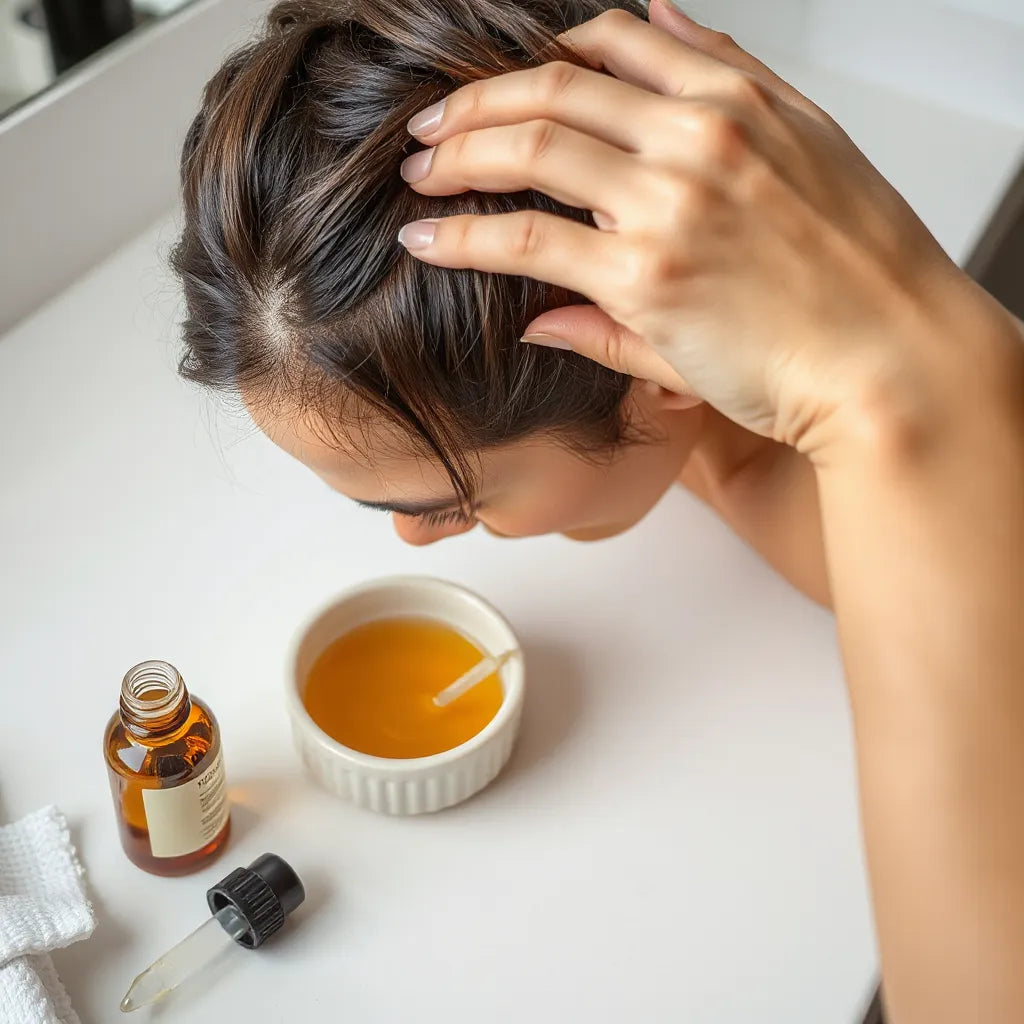
Apply treatment to the scalp: Focus on the areas with visible flakes or itching. Massage gently with fingertips for even coverage.
-
Let it work for the recommended time: Give the active ingredients time to act on the scalp environment.
-
Rinse thoroughly: Remove product buildup so your scalp can breathe and stay comfortable.
-
Condition where needed, not everywhere: Apply conditioner mainly to hair lengths if you use one, to avoid overloading the scalp.
-
Dry carefully: Pat with a towel and avoid rough rubbing, which can worsen irritation.
-
Repeat consistently: Dandruff routines work best when you use your scalp treatment on a reliable schedule.

Scalp massage routine shown with clean, simple icons
What to Look For in a Scalp Treatment for Dandruff
Not all dandruff solutions work the same way. A good scalp treatment for dandruff should help address common causes like irritation, imbalance, and buildup that can leave your scalp feeling uncomfortable. When you evaluate options, consider these practical features.
1) Direct scalp contact
Many people try to treat dandruff by only caring for their hair lengths. But flakes and itch usually start at the scalp surface. Choose a formula intended for scalp application so you get coverage where it matters most.
2) Balanced cleansing
Effective treatments support a clean scalp environment without leaving you feeling stripped. If your scalp feels dry right after washing, that can lead to more discomfort and more noticeable flaking.
3) Supportive ingredients that fit your routine
When your skin and scalp feel calm, your whole routine becomes easier. Seek a treatment that feels comfortable in repeated use so you’re more likely to stick with it.
4) Easy repeat use
Dandruff management is often about consistency, not one-time fixes. If the product is hard to use or too heavy, you may skip it. Choose a scalp treatment that’s simple to apply and easy to rinse.
Some routines pair a scalp-focused cleanse with gentle hair care. This combination helps you keep your scalp comfortable while still enjoying manageable hair. If you’re shopping for a complete home and personal care rhythm, it can help to create “set-and-forget” habits for both hair and rest.

Routine calendar and comfort icons for steady scalp care
Common Mistakes That Keep Dandruff Hanging Around
Even with a good product, a few routine slip-ups can keep flakes coming back. Here are the most common issues people run into and how to avoid them.
Using the wrong amount
Too little product may not reach the areas that need it. Too much can leave residue. Aim for even scalp coverage without overloading your scalp.
Skipping the scalp massage step
A gentle massage helps distribute the treatment across the scalp surface. It also supports a more even rinse, which can reduce lingering buildup.
Rinsing too fast
Rushing through rinsing can leave traces of product behind, especially if you use other hair products. Take a little extra time to rinse until the scalp feels clean.
Over-washing or under-washing
Both extremes can irritate your scalp. Over-washing can dry you out, while under-washing can let oil and buildup build up. A consistent washing cadence helps the treatment work as intended.
Not adjusting after lifestyle changes
Sweat, heat styling, and frequent hats can affect your scalp environment. If your routine changes, your dandruff management plan may need minor adjustments to stay comfortable.
Real Customer Stories
Hearing how others handled persistent flakes can help you feel confident about your own plan. Here are relatable experiences people share when they find the right scalp treatment routine.
Story 1: The “itch all day” turning into “calm scalp”
One shopper described how their scalp itched shortly after washing. After switching to a scalp-first routine and applying the treatment directly to the scalp with gentle massage, they noticed less itching over time. They also felt more comfortable wearing hats because their scalp didn’t feel as reactive.
Story 2: Visible flakes became less noticeable
Another customer said their flakes were hardest to manage during busy weeks. They started using their scalp treatment on a consistent schedule and paired it with thorough rinsing. Over multiple washes, they felt that the flakes were less visible and their hair looked cleaner longer.
Story 3: A routine they could actually stick with
Several people mention that the biggest win wasn’t just results, but a routine that felt doable. When a scalp treatment for dandruff matched their shower timing and scalp comfort needs, they continued it instead of quitting after a few attempts.
These stories are typical of what many people experience when they choose a treatment designed for the scalp and follow a repeatable plan. Your results may vary, but a consistent routine is often the key difference between frustration and progress.
If you’re the kind of person who likes matching routines with a comfortable home environment, you can also explore furniture options that make daily time feel easier. For example, consider how a relaxing bedroom setup supports your wind-down habits. You might like the calm look of a queen sleigh bed as part of your overall comfort plan.
How Long It Usually Takes to Feel Better
Many people want immediate results, but dandruff routines often work in stages. Early on, you may notice less itching and a more comfortable scalp feel. With continued use, flakes can become less noticeable and your scalp may feel more balanced.
Because everyone’s scalp and routine are different, the best way to track progress is to pay attention to three signals:
- Itch level: Are you scratching less or feeling less irritation?
- Flake visibility: Are flakes fewer and less obvious after washing?
- Scalp comfort: Does your scalp feel calmer between washes?
Stick with your plan long enough to see what it can do, and keep your routine consistent. If your scalp feels overly irritated or your condition doesn’t improve, consider adjusting your approach or seeking guidance from a qualified healthcare professional.
Important note: This content is for general education and shopping guidance and is not a substitute for medical advice.
FAQ
What is a scalp treatment for dandruff supposed to do?
A scalp treatment for dandruff is designed to help manage itchy, flaky scalp conditions by supporting a cleaner, more balanced scalp environment. Many routines focus on direct scalp application so the formula reaches where flakes and irritation begin.
How often should I use my dandruff scalp treatment?
Use it according to the product instructions and your personal comfort level. Consistency usually matters more than intense, one-time use. If you notice dryness or irritation, you may need to adjust how frequently you apply it while still staying consistent.
Can I use conditioner if I’m treating dandruff?
Yes, but apply conditioner mainly to your hair lengths rather than the scalp. This helps keep your scalp from feeling overloaded while still supporting softer, more manageable hair.
Will changing my hair-washing routine help?
Often, yes. A steady washing cadence plus thorough rinsing can reduce buildup that contributes to flaking. If you sweat often, use heat styling, or wear hats regularly, staying consistent and adjusting as needed can make a noticeable difference.

I like making people happy