Updated on: 2026-07-20
Choosing the right routine can feel confusing, especially when you want clean formulas and real results. This guide breaks down vegan haircare solutions that support healthier-looking hair without relying on animal-derived ingredients. You will learn how to match products to your scalp needs, hair texture, and everyday styling habits. You will also get practical tips, common questions, and a simple way to pick a routine you can stick with.
- Why vegan haircare solutions are a smart everyday upgrade
- How to pick vegan haircare solutions for your hair and scalp
- Step-by-step: build a routine that actually fits
- Tips to get better results between washes
- Real routines, real outcomes: use cases customers love
- How to care for color-treated, curly, and fine hair
- What to look for on labels (without overthinking)
- Common mistakes that slow progress
- Choose your routine with confidence
- Q&A
Why vegan haircare solutions are a smart everyday upgrade
Great hair days are not just about luck. They are the result of a consistent routine that respects your scalp and your hair’s natural pattern. Vegan haircare solutions focus on plant-based ingredients and thoughtful formulas, so you can feel good about what goes on your hair while supporting a healthy look and feel.
Many people look for vegan options because they want fewer compromises. Whether you are managing dryness, dealing with frizz, or just want a clean, reliable routine, the right products can help you create the kind of softness, shine, and manageability you want—without guesswork.
At Home & Sleep Outlet in Rowlett, TX, we think routines matter. Just like choosing the right mattress helps your body recover, choosing the right haircare supports your daily comfort. If you enjoy building a full-at-home reset, you may also like exploring a cozy setup with a trusted furniture upgrade—check Queen sleigh bed for a relaxing bedroom environment that pairs well with self-care habits.
How to pick vegan haircare solutions for your hair and scalp
Not every “good” product is good for your specific hair. The best approach is to start with your scalp and then match your hair goals. When you do that, your routine feels easier, and your results tend to show up sooner.
Here is a simple framework:
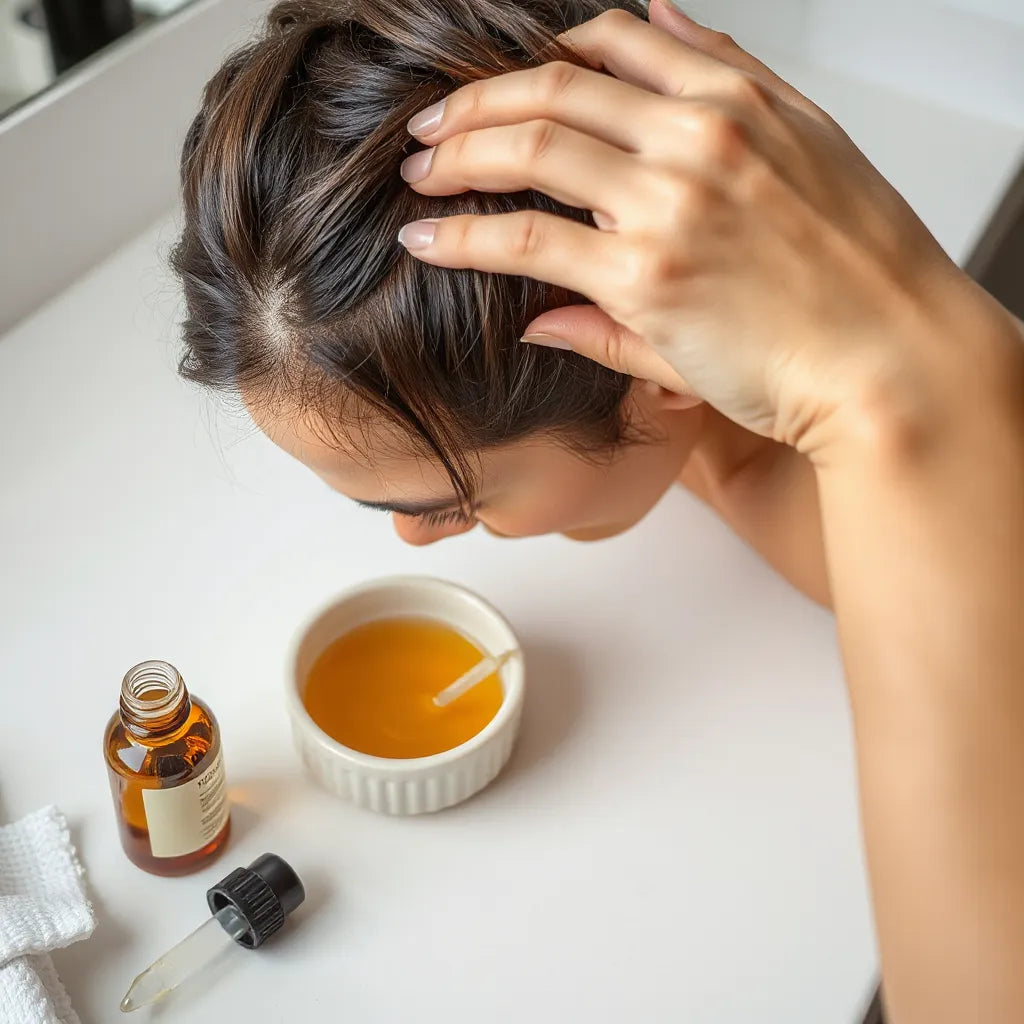
- Scalp comfort first: If your scalp feels tight, itchy, or dry, begin with a gentle cleanser and a soothing conditioner.
- Hair texture goals: Fine hair often needs lightweight hydration. Curly hair usually benefits from richer moisture and curl-friendly styling.
- Heat and styling habits: If you use heat often, prioritize formulas that support softness and smoothness without heavy buildup.
- Scalp and hair balance: If you get oily near the roots but dry on the ends, use targeted application (cleanse the scalp, condition the lengths).
This is where vegan haircare solutions shine. When formulas are designed to work with real daily routines—wash, condition, detangle, style—you can stop switching products every week and start building trust.

Color-coded scalp and hair needs map
Step-by-step: build a routine that actually fits
The fastest way to improve your results is to make your routine simple enough to repeat. Start with the basics, then add one supportive step at a time.
Step 1: Choose a gentle cleanser
Look for a shampoo that feels comfortable on your scalp. You want clean hair without that stripped, squeaky feeling. A gentle cleanser helps reduce friction during washing, which can support smoother hair after the rinse.
Step 2: Condition based on length, not scalp
Apply conditioner from mid-length to ends. If your hair is fine, use less product and focus on the areas that tangle. If your hair is coarse, use a slightly richer amount and detangle gently while the conditioner is in.
Step 3: Detangle with care
Detangling should be slow and gentle. Work through knots using your fingers first, then a wide-tooth comb if needed. This reduces breakage and helps your hair hold onto a more natural shape.
Step 4: Add a leave-in step for your hair type
Pick a leave-in that matches what your hair is asking for: hydration, smoothing, curl definition, or lightweight softness. Leave-in products help reduce frizz and make styling faster.
Step 5: Seal with the right finish
To lock in comfort and reduce flyaways, finish with a light styling cream, gel, or serum (choose one based on your texture goals). If you want flexible hold, aim for a finish that doesn’t feel stiff or sticky.
Step 6: Keep your routine consistent
Consistency is underrated. Stick to the routine for several weeks so your hair can adapt. If you need to adjust, change only one product or one step at a time.
Tips to get better results between washes
- Rethink detangling: Detangle when hair is damp and conditioned, not dry.
- Use heat with intention: Lower heat settings and protect your hair with a smoothing or heat-friendly leave-in.
- Refresh without starting over: For the next day, lightly re-wet hair and reapply a small amount of leave-in rather than washing again.
- Protect from friction: Reduce rubbing by using gentle towel drying (press instead of scrubbing).
- Watch for buildup: If your hair feels coated, clarify occasionally and simplify styling steps.
- Sleep smarter: Keep your hair safe during rest with a routine that reduces snagging and tangles.
When you align these habits with vegan haircare solutions, you get a routine that supports your hair every day, not only on wash day.

Hair care routine ladder with hydration, smoothness, hold
Real routines, real outcomes: use cases customers love
People use vegan haircare solutions for different reasons, and that is part of the appeal. Below are common scenarios and what a well-matched routine can help with.
Use case: dry ends and rough feel
If your scalp feels okay but your ends feel brittle, focus your hydration where it’s needed. A gentle shampoo paired with conditioner on lengths and a leave-in for ends can help your hair feel softer after styling.
Customer-style feedback often sounds like this: “My hair looks smoother, and it tangles less.” That is usually a sign you are reducing friction and improving moisture balance.
Use case: frizz and humidity resistance
Humidity can turn even smooth hair into a puffier version of itself. A smoothing leave-in plus a lightweight finish can support a more controlled look. The goal is flexible hold and less flyaway.
Many users say their hair feels more “style-ready” after the routine. That often comes from building moisture first, then sealing with a finish that doesn’t weigh hair down.
Use case: scalp sensitivity
If your scalp reacts easily, you want a cleanser that feels mild and consistent. Follow with a conditioner that supports comfort and detangling. Avoid heavy oils on the scalp, and keep treatment targeted.
When people find the right vegan haircare solutions, they often report fewer “bad hair days” driven by discomfort.
How to care for color-treated, curly, and fine hair
Different hair goals need different strategies. Here is how to adapt your routine without overcomplicating it.
Color-treated hair: protect shine and softness
Color can make hair feel drier or more fragile. Choose conditioners that help improve slip during detangling, and add a leave-in that supports softness. If your hair feels dull, your routine may need more consistent conditioning rather than more cleansing.
Curly hair: define and reduce crunch
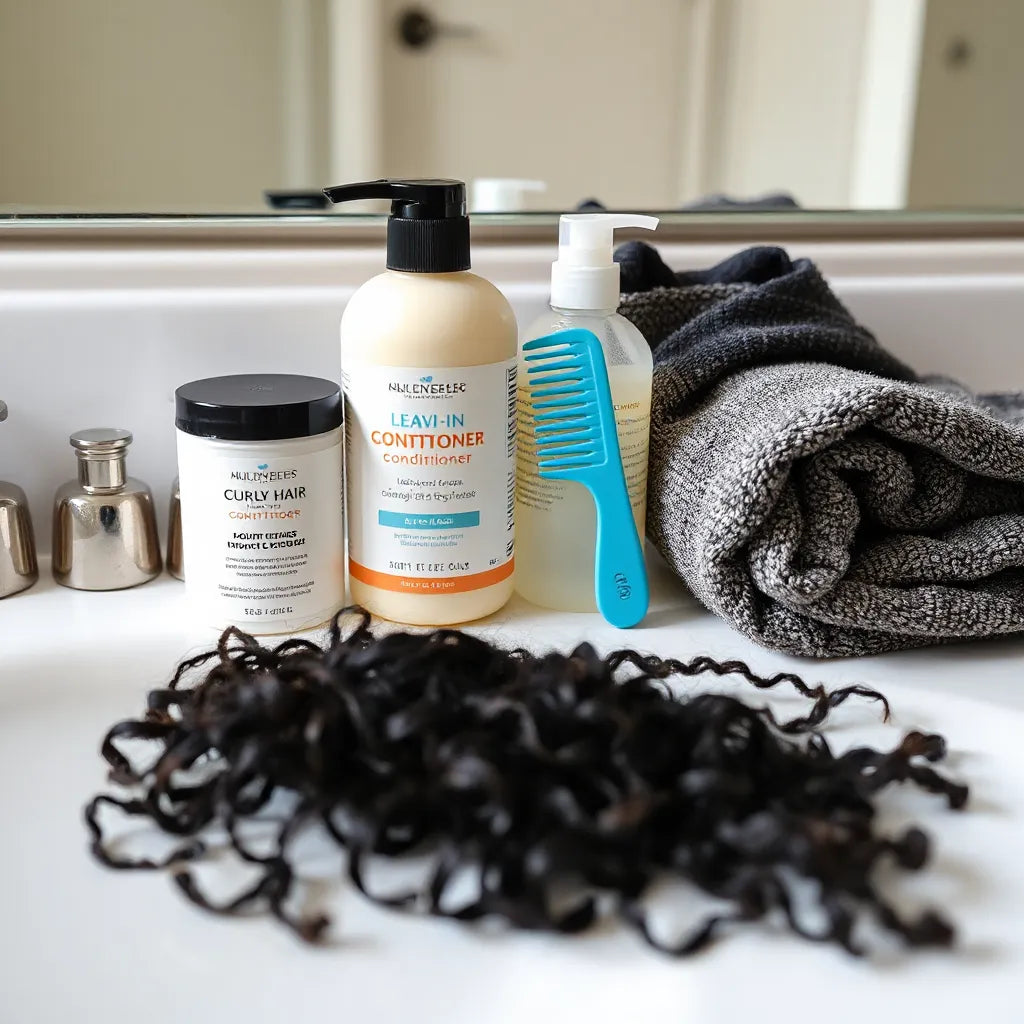
Curly hair often benefits from moisture and better curl clumping. Use conditioner for detangling, then apply leave-in while hair is damp. Finish with a gel or cream that supports definition. If you get a hard cast, try using less product or pair a lighter hold finish with a softening step.
Fine hair: hydrate without heaviness
Fine hair can lose volume when products are too heavy. Use a smaller amount of conditioner, focusing on mid-length to ends. Choose lightweight leave-ins and avoid stacking multiple rich styling products.
What to look for on labels (without overthinking)
You do not need to memorize every ingredient to shop smart. Instead, scan for a few signals that your vegan haircare solutions are likely to be a good fit.
- Gentle cleansing: Look for a shampoo designed for regular use and comfortable scalp feel.
- Moisture support: Conditoners and masks should help improve softness and detangling ease.
- Slip and manageability: Products that make detangling easier often lead to fewer breakage moments.
- Appropriate finish: Styling products should match your hold and texture needs.
- Plant-based positioning: Vegan formulas should clearly align with your preference for animal-free ingredients.
If the label feels overwhelming, use the routine method: cleanser for scalp comfort, conditioner for length care, leave-in for daily manageability, finish for your styling goals. That structure keeps shopping decisions focused.
Common mistakes that slow progress
Even with the best products, a few common missteps can make your hair feel “stuck” in the same problem cycle. Avoid these and you will likely see faster improvement.
- Over-applying conditioner to the scalp: This can make hair feel heavy or greasy.
- Using too many styling steps: Product stacking can create buildup and reduce bounce.
- Skipping detangling care: Rushing through knots increases breakage and frizz.
- Switching products too often: Your hair needs time to adapt to a consistent routine.
- Choosing by marketing alone: Match the product to your hair goal and texture.
When you avoid these issues, vegan haircare solutions can become a reliable part of your routine rather than a trial-and-error project.
Choose your routine with confidence
If you are ready to simplify your haircare and choose formulas that align with your values, start by building a routine from the ground up: gentle cleanse, length-focused conditioning, leave-in support, and a styling finish that matches your texture goals. Then repeat it long enough to learn what works for you.
Want to explore a complete at-home reset alongside your hair routine? You can browse more lifestyle ideas at השטיח האדום for inspiration on creating a calmer space that supports everyday comfort.
Call to action: Choose one vegan haircare solution to start today, then build your steps gradually. When your routine feels consistent, your hair usually starts to look and feel more like the version you want—every wash day, not just occasionally.
Q&A
Are vegan haircare solutions suitable for sensitive scalps?
Many people find vegan haircare solutions more comfortable because they are built around plant-based ingredients and gentle routines. Start with a mild shampoo, focus conditioner on lengths, and adjust based on how your scalp feels after a few washes.
How often should I wash with a vegan haircare routine?
The best schedule depends on your scalp oil level and styling needs. Many routines work well with a consistent wash cadence, paired with leave-in care on non-wash days to reduce friction and frizz.
What is the fastest way to improve frizz using vegan haircare solutions?
Start by improving moisture and slip: use conditioner where your hair needs it most, detangle gently, then add a lightweight leave-in and finish with a flexible hold product. Reduce product stacking so your hair stays bouncy instead of coated.
Can vegan haircare solutions work for curly or color-treated hair?
Yes. Curly hair typically responds well to moisture-first conditioning and curl-supporting leave-in and finish products. Color-treated hair usually benefits from consistent conditioning and a softer detangling approach to help maintain a smooth look.
Disclaimer: This article is for general educational purposes and does not provide medical advice. Results vary based on hair type, routine consistency, and individual sensitivities.

I like making people happy