Updated on: 2026-07-24
A color-safe conditioner helps keep dyed and colored hair looking vibrant while supporting a soft, smooth feel. The right formula can reduce dryness and frizz, which often make color appear dull faster. It also makes detangling easier, so you can style with less tugging. If you color your hair, using the correct conditioner is one simple routine step that can make a noticeable difference.
1. Why Color-Safe Conditioner Matters
2. Key Benefits of a Color-Safe Conditioner
3. How to Choose the Right Color-Safe Conditioner
4. Step-by-Step Guide to Using Color-Safe Conditioner
5. Real-Life Results and Customer Notes
6. Pair It With the Rest of Your Hair Routine
7. Q&A
Why Color-Safe Conditioner Matters
Color treatments can leave hair feeling softer at first, but over time, color can fade more quickly when strands are not properly cared for. A color-safe conditioner is designed to support your hair’s surface after washing, helping reduce the dull, washed-out look that can happen when hair becomes dry or rough.
When hair is dry, it tends to tangle more easily and reflect less light. That means even a great dye job may start to look muted sooner than you want. A conditioner built for color care helps smooth the hair, improve manageability, and support a glossy finish.
It’s not just about appearance. Color-treated hair often feels different—sometimes more porous, sometimes more prone to frizz. The right conditioning routine can help your strands feel stronger and look more consistent wash after wash.

Color vibrancy shield, smooth strands, reduced frizz icons
Key Benefits of a Color-Safe Conditioner
Helps preserve vibrancy: Conditioning support can help your hair look more “fresh” for longer by reducing dryness that dulls color.
More softness and slip: You get smoother, easier detangling—less pulling, less breakage from rough handling.
Less frizz and flyaways: A well-designed conditioner helps hair lie flatter and feel more polished.
Improved manageability: Brushing and styling can feel more effortless, especially on colored ends.
Comfortable everyday routine: After shampoo, conditioner becomes a quick step that boosts the look and feel of your hair.
If your main goal is keeping your color looking true, a conditioner made for color care is one of the easiest places to start. It works with your wash day, not against it.
How to Choose the Right Color-Safe Conditioner
Not every conditioner that feels good in the shower is the best choice for color-treated hair. When you shop, focus on matching the formula to your hair’s needs—especially if you dye, highlight, or tone your hair.
Look for color-friendly conditioning performance
Choose a conditioner that supports softness and smoothness without stripping away the look you worked hard for. If your hair gets dry quickly, prioritize hydration and friction reduction.
Consider your texture and length
Fine hair may need lighter conditioning so it doesn’t feel heavy. Thicker hair often benefits from richer smoothing, especially through the mid-lengths and ends.
Use your own experience as the guide. If your hair feels coated after rinsing, try using a smaller amount or switching to a lighter option. If your ends feel rough, increase focus on conditioning where dryness shows up most.
Check for gentle, dependable daily use
Many people wash their hair often. If that’s you, pick a conditioner that you can use consistently as part of a routine. The best product feels pleasant to wear every day and helps you maintain a polished look between salon visits.
Pair with a matching shampoo
Conditioner works best when the shampoo you choose doesn’t undo the benefits. If your shampoo is too harsh for colored hair, your conditioner may not be able to fully compensate. Aim for a compatible wash-and-care routine.
If you want to browse related home comfort essentials that fit your lifestyle, you may also enjoy exploring NuEraFinds for everyday upgrades.
Step-by-Step Guide to Using Color-Safe Conditioner
Consistency is where the results often show up. Use the routine below to get maximum conditioning benefits without overdoing it.
1) Start with color-safe shampoo
Wash your hair with a gentle shampoo that supports color-treated strands. Focus on the scalp and roots, then let lather naturally run through the lengths.
2) Apply conditioner from mid-lengths to ends
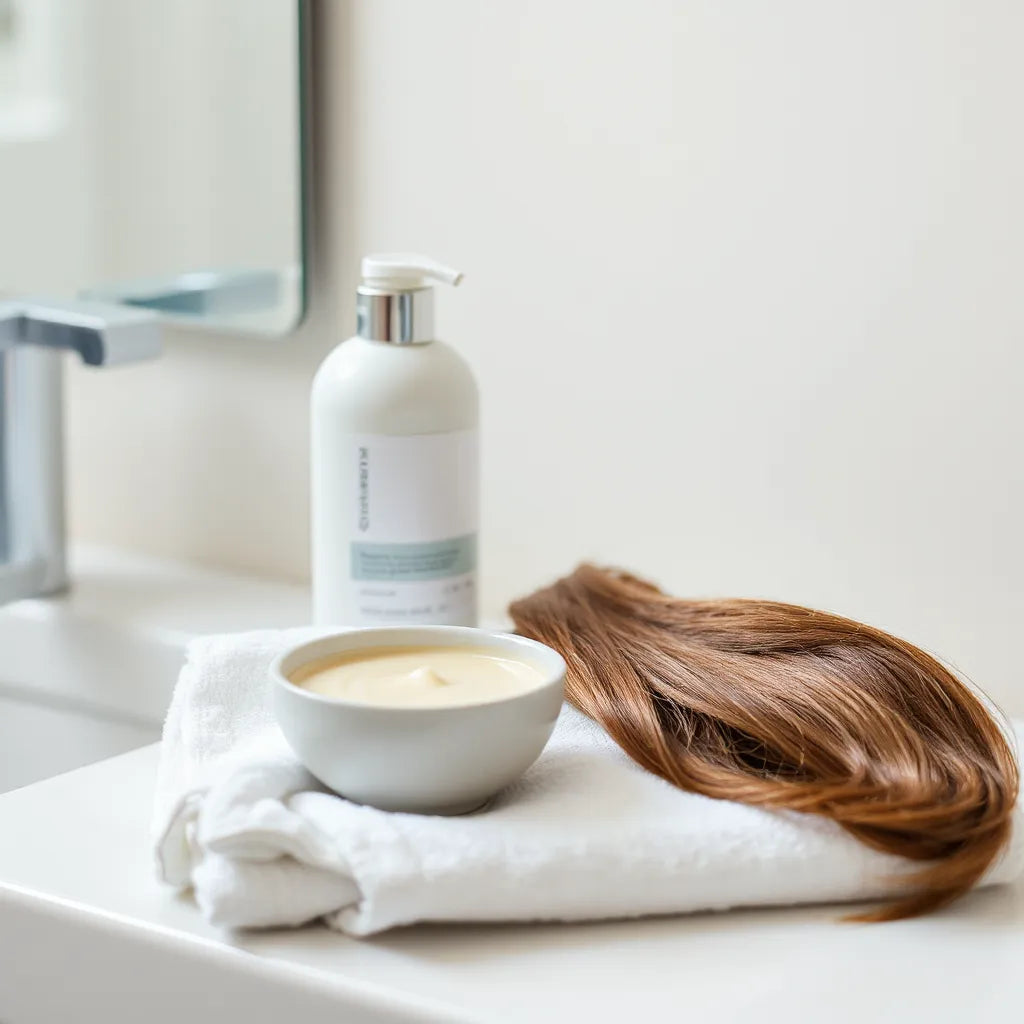
Work the conditioner through the hair starting at mid-lengths, then concentrate on the ends. These areas usually show dryness first, especially for dyed hair.
3) Detangle with care
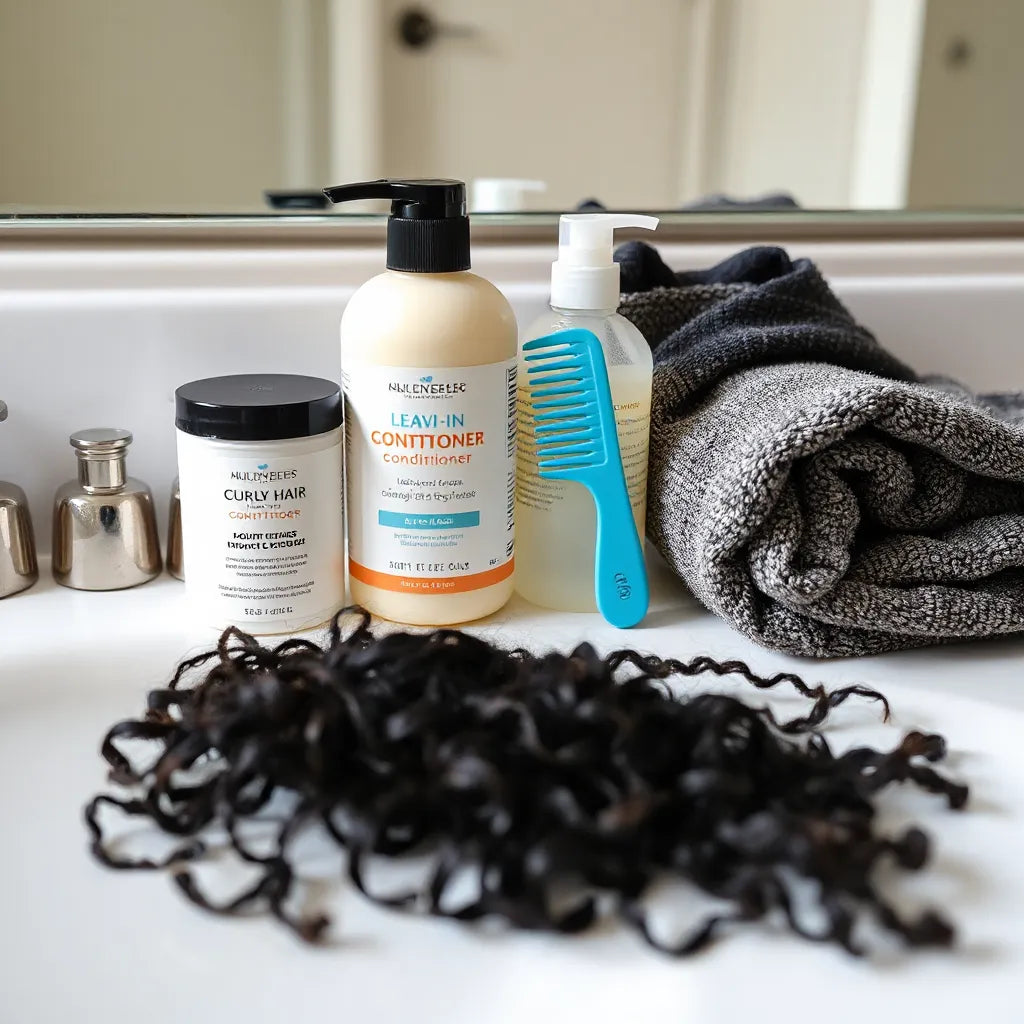
Use a wide-tooth comb or fingers to gently detangle while the conditioner is in. Slow down and avoid forcing knots apart. The goal is easier movement and less friction.
4) Let it sit briefly
Follow your product’s guidance, then rinse thoroughly. If you want extra smoothing, spend a little more time focusing on the hair ends while the conditioner is on.
5) Rinse until it feels clean
Conditioner should leave hair soft, not heavy or coated. If your hair feels weighed down, rinse a little longer next time.
6) Style with heat awareness
Color can be sensitive to heat. If you use hot tools, keep the settings moderate and apply styling support. Even a small change in heat habits can help your color look more consistent.

Routine flow: shampoo, conditioner, detangle, rinse, shine
Real-Life Results and Customer Notes
People don’t buy conditioners just to feel good in the shower—they want hair that looks better in real life. Here are common outcomes customers often mention when using a conditioning routine designed for color care.
“My color looks fresher between appointments.”
Many color wearers notice that when their hair stays softer and smoother, the shade appears more even. That “fresh” look often comes from reduced dryness, easier detangling, and less frizz.
“Detangling is easier and my hair feels calmer.”
One of the most practical benefits is improved slip. When conditioner makes detangling effortless, it reduces tugging and helps your hair feel more comfortable after washing.
“My ends don’t look as dry.”
Dyed ends often take the biggest hit from everyday wear. A conditioner that supports hydration and smoothness helps the ends blend better and feel less rough to the touch.
Customer notes vary by hair type, but the pattern is consistent: conditioning that supports colored hair helps keep strands feeling manageable and looking more vibrant.
Pair It With the Rest of Your Hair Routine
A color-safe conditioner is strongest when your overall routine supports it. Small adjustments can improve how your color looks after each wash.
Wash less frequently when possible
More frequent washing can strip natural oils that help hair look healthy. If your schedule allows, try spacing out washes. When you do wash, use conditioner to restore softness.
Use cool or lukewarm water
Hot water can contribute to dryness. Lukewarm rinses help keep hair feeling smoother while you get your scalp and strands clean.
Protect from sun and environmental stress
Sun exposure and harsh environmental conditions can fade color. Consider protective steps like hats or hair-friendly coverings when you’re outdoors for long periods.
Choose styling products that don’t fight your conditioner
If you use leave-in products, serums, or styling creams, select options that complement your conditioning routine rather than creating buildup. A lighter approach can keep your hair looking glossy without feeling coated.
Shop with confidence for your wash-day needs
If you love building an organized home routine, you may enjoy the kind of quality craftsmanship you see across furniture and sleep essentials. For example, Home & Sleep Outlet in Rowlett, TX carries a wide selection from brands like Coaster, Furniture of America, Meridian, and New Classic, along with financing and local delivery. You can even browse a few options like a night stand to keep your bathroom or bedroom setup tidy while you get ready for your day.
And if you’re also shopping for sleep comfort, mattresses and complete room sets can make routines easier—especially when you want a calm, consistent start to your day. A well-organized space helps you stick to your hair care habits.
Q&A
How is a color-safe conditioner different from a regular conditioner?
A color-safe conditioner is formulated to help protect the look of dyed hair. It focuses on smoothing and conditioning that supports vibrancy by reducing dryness and frizz that can make color appear dull over time.
How often should I use a color-safe conditioner?
You can use it during every wash day if that matches your hair’s needs. If your hair feels heavy or coated, use a smaller amount or apply only to mid-lengths and ends.
Will conditioner really help faded color?
Conditioner can’t reverse dye or fully restore color once it’s gone, but it can help your hair look more even and vibrant by supporting softness, shine, and manageability. Many people notice a fresher appearance between salon visits.
What should I avoid to keep my hair color looking better?
Avoid overly hot water, rough detangling, and heavy product buildup. Also, be mindful of heat styling frequency and intensity. Pairing conditioning with gentle care often supports a more consistent color look.
Disclaimer
This article is for general informational purposes only and is not intended as medical advice. Results can vary based on hair type, dye chemistry, water conditions, and styling habits. Always follow the directions on the product label and consider patch testing if you have sensitivities.

I like making people happy