
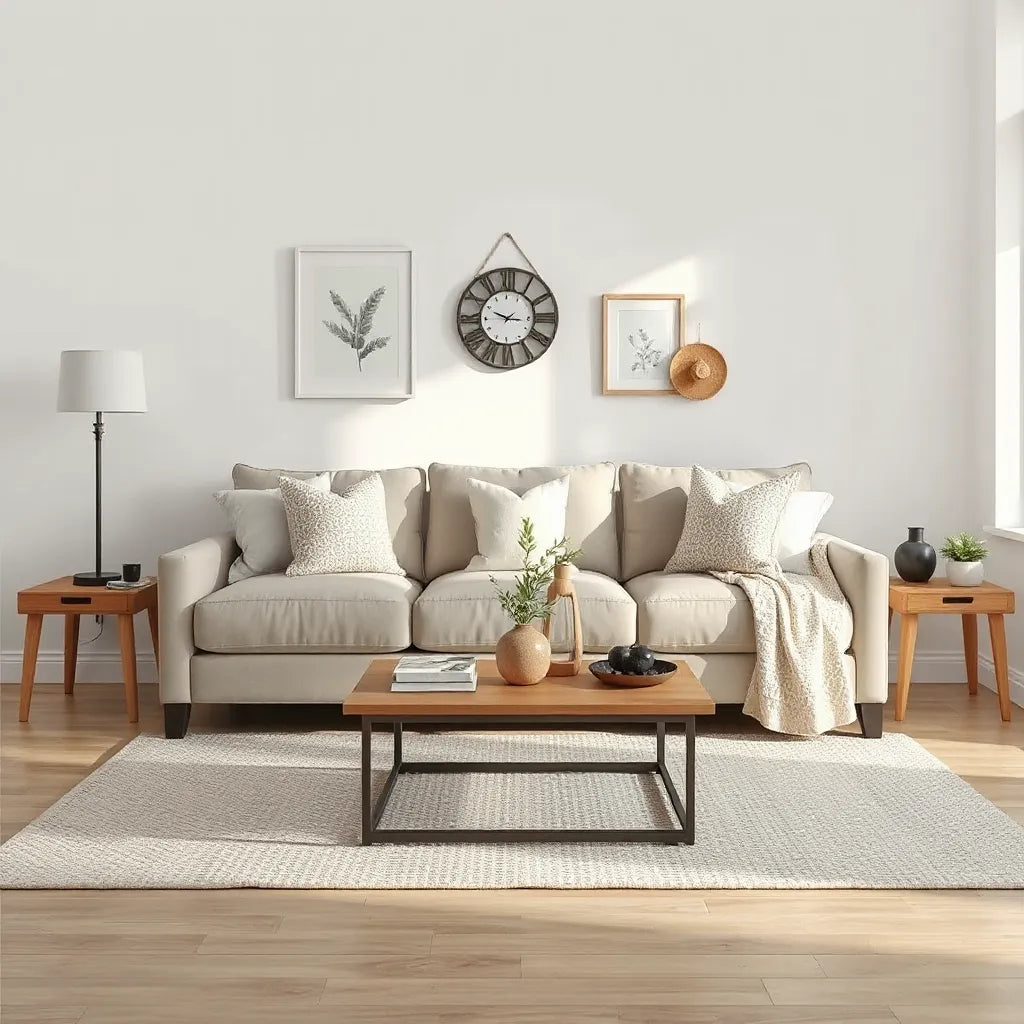
Home Furniture Decor Tips for a Stylish Every Room Look
Sulieman Alhazma
Sep 21, 2026
Updated on: 2026-09-21 If your living space feels unfinished, the right home furniture decor can make it look intentional without overwhelming your budget. This guide breaks down how to choose pieces that work together, match your lifestyle, and support your daily routines. You’ll also get a quick pros-and-cons comparison, a practical buyer’s checklist, and real-life examples of how people use furniture to improve comfort and style. By the end, you’ll know exactly what to look for when creating a cohesive, inviting room. Table of Contents Introduction Did You Know? Comparison: Pros & Cons How to Choose for Your Space Buyer’s Checklist Styling Use Cases That Feel Effortless Final Thoughts & Advice Q&A Home furniture decor: the easiest way to make every room feel “done” When you’re busy, it’s frustrating to spend time and money on pieces that don’t work together. That’s why home furniture decor matters. It’s not only about appearance. The best decor choices help your space feel more comfortable, more functional, and easier to maintain. The goal is simple: create a look that fits your daily life—whether you’re hosting friends, relaxing after work, or building a routine you actually enjoy. Think of furniture decor as the “layout support” for your home. A coordinated bed, dresser, or seating arrangement improves flow. Matching finishes and balanced shapes create visual calm. And when your layout makes sense, you spend less time moving things around and more time enjoying your space. In the sections below, you’ll learn how to pick pieces that complement each other, how to avoid common styling mistakes, and which features to prioritize based on the way you live. Did You Know? Rooms feel bigger when you choose furniture with clear sight lines. Softer curves, tapered legs, and smart proportions can visually open the space. Storage is a design element. When drawers and cabinets match the room’s style, clutter becomes less noticeable. Consistency beats “matching sets.” Using the same finish tone across key pieces usually looks more natural than repeating every detail. Lighting changes everything. The best decor plan includes both practical lighting and the way it highlights furniture surfaces. Your daily habits should guide your layout. If you reach for items often, place them at a comfortable height and within easy reach. Comparison: Pros & Cons Not all home decor decisions are the same. Here’s a quick guide to help you choose with confidence. Coordinated furniture decor (finish + shape consistency) Pros: Looks polished faster; easier to style year-round; helps rooms feel cohesive. Cons: Requires a clear plan for proportions and placement. Mix-and-match styles (intentional contrast) Pros: Adds personality; can refresh a room without replacing everything. Cons: Takes more attention to balance so it doesn’t feel random. Minimal decor focus (fewer, stronger pieces) Pros: Creates calm; reduces clutter; great for smaller rooms. Cons: If storage is weak, the space can feel incomplete. How to Choose for Your Space Choosing home furniture decor is easier when you start with the “job” each room needs to do. For example, a bedroom should support sleep and routine, while a living room should support comfort and conversation. Once you know the job, you can pick furniture that aligns with it. Here are three practical steps you can use right away: Start with scale, not trends. Measure key areas and plan clear paths. If a piece blocks movement, even the nicest style will feel frustrating. Match finishes thoughtfully. Aim for one dominant tone and one supporting tone. Then repeat that tone through smaller details like frames, trays, or décor accents. Build around a focal point. A bed, a console, or a dresser can anchor the room. Then you add complementary items that support the look. If you want a quick starting point, browse well-designed room sets and coordinated furniture categories. They remove guesswork and help you create a more complete look sooner. Visual balance diagram: scale, finish tone, room flow To make the style feel “finished,” focus on the space around your furniture too. Leave enough breathing room for walking and for visual comfort. When you add décor, choose pieces that echo furniture shapes, such as repeating curves in accessories or aligning geometric lines with a straight-edged layout. If you’re planning a bedroom refresh, consider how you’ll store everyday items. A dresser that supports folding and organizing can instantly reduce visual clutter. That’s where functional home furniture decor shines: it looks attractive while making life easier. Buyer’s Checklist Before you choose your next piece, use this checklist to stay confident and avoid common issues like poor fit, awkward placement, or mismatched finishes. Room measurements: Confirm width, door clearance, and walking paths. Primary function: Ask what you need most in that room—storage, seating comfort, or a stronger focal point. Finish direction: Pick one main finish tone and keep it consistent across key furniture. Proportion check: Make sure the piece height matches the room. Tall items can dominate small rooms if not planned. Comfort and support: For seating or beds, prioritize everyday comfort. Style should support rest, not just look good. Storage needs: Count what you need to hide. If you have many items, plan drawers or cabinets accordingly. Style continuity: Choose décor accents (mirrors, frames, or rugs) that reinforce the same design language. Lighting fit: Ensure surfaces reflect light well. Smooth finishes and well-placed lamps can make rooms feel brighter. When you follow this list, shopping becomes simpler because each decision has a purpose. That’s the real value of choosing home furniture decor that supports how you live. Styling Use Cases That Feel Effortless Let’s make this practical. Below are common scenarios where the right furniture decor approach delivers a visible upgrade—fast. Use case: a bedroom that supports calm Your bedroom should feel like a pause button. Start with a focal point, usually the bed. Then build the supporting cast: a dresser for daily organization and a mirror (if it suits your layout) to enhance brightness. When the finishes coordinate, the room feels calmer and more cohesive. Even small décor items look more intentional when your main furniture pieces share a consistent design direction. Use case: a living room that’s ready for guests Guests notice comfort and flow. Arrange seating so conversations feel natural. Add a coffee table or console surface that gives you a “landing spot” for essentials like remotes, trays, and décor. Choose pieces that visually balance the room. If your living room is long or narrow, use the same finish tone on key items to reduce visual breaks. Use case: a dining area that feels elevated Dining rooms look best when the furniture supports both function and presentation. Coordinated pieces create a clear style story. Consider adding decorative storage or a mirror to reflect light and improve the room’s overall brightness. Small touches—like matching accents—can make a dining space feel more complete without adding clutter. Three-scene mood board: bedroom calm, guest flow, light reflection Many shoppers tell us that the biggest difference is how the room “works” during everyday use. When the layout and storage make sense, the décor stays in place longer. That’s how you get the look you want without constantly adjusting everything. For a bedroom styling example, you can explore a complete furniture direction such as a sleigh bed with matching bedroom storage. One option to consider is the Chateau sleigh bed in vintage cherry. When your bed style coordinates with your dresser or night stand, the entire room feels more intentional. If you’re also building a home with natural materials and thoughtful decor themes, you may enjoy browsing offerings from Natures Derivatives Legacy. Thoughtful sourcing and design inspiration can pair nicely with a furniture-focused layout. Final Thoughts & Advice When you invest in home furniture decor, you’re really investing in daily comfort and a space that feels coherent. The best results happen when you plan around your room’s function, choose finishes that match, and prioritize pieces that support storage and movement. To recap, aim for consistency rather than randomness. Build from a focal point. Then add the supporting pieces that make everyday tasks easier. If you do this, your home won’t just look better—it will feel better too. If you want help finding pieces that fit your style and space, Home & Sleep Outlet in Rowlett, TX can guide you toward quality options that match your goals. We carry well-known brands such as Coaster, Furniture of America, Meridian, and New Classic, plus financing and local delivery options. You can also explore a massive online catalog to compare styles and decide what fits your routine best. Call to action: Pick one room to upgrade first. Measure it today, decide the room’s main job, and choose a starting focal piece that sets your style direction. When you’re ready, shop with intention and watch how quickly the right decor plan brings your space together. Q&A What’s the best first piece to buy for home furniture decor? Start with the piece that anchors the room’s function: a bed for the bedroom, a primary seating arrangement for the living room, or storage that reduces clutter in high-traffic areas. When your anchor piece fits the space, everything else becomes easier to style around it. How do I make different furniture styles look cohesive? Use consistency where it matters most: choose one dominant finish tone, repeat key shapes (curves or straight lines), and add décor accents that follow the same design language. You can keep variety in textures, but the visual “theme” should stay aligned across the room. What mistakes should I avoid when styling furniture and décor? Avoid poor scale and blocking walkways. Don’t overload the room with small items when you need larger structure. Also, watch for mismatched finishes that compete with each other; instead, pick a supporting tone and repeat it in a few meaningful places. Can furniture decor improve organization? Yes. Pieces with drawers, cabinets, and surfaces designed for everyday items reduce visible clutter and make your routine smoother. When storage matches the room’s style, organization feels more like décor than “extra work.” Sulieman Alhazma CEO https://www.linkedin.com/in/sulieman-alhazama-7340b4324 I like making people happy
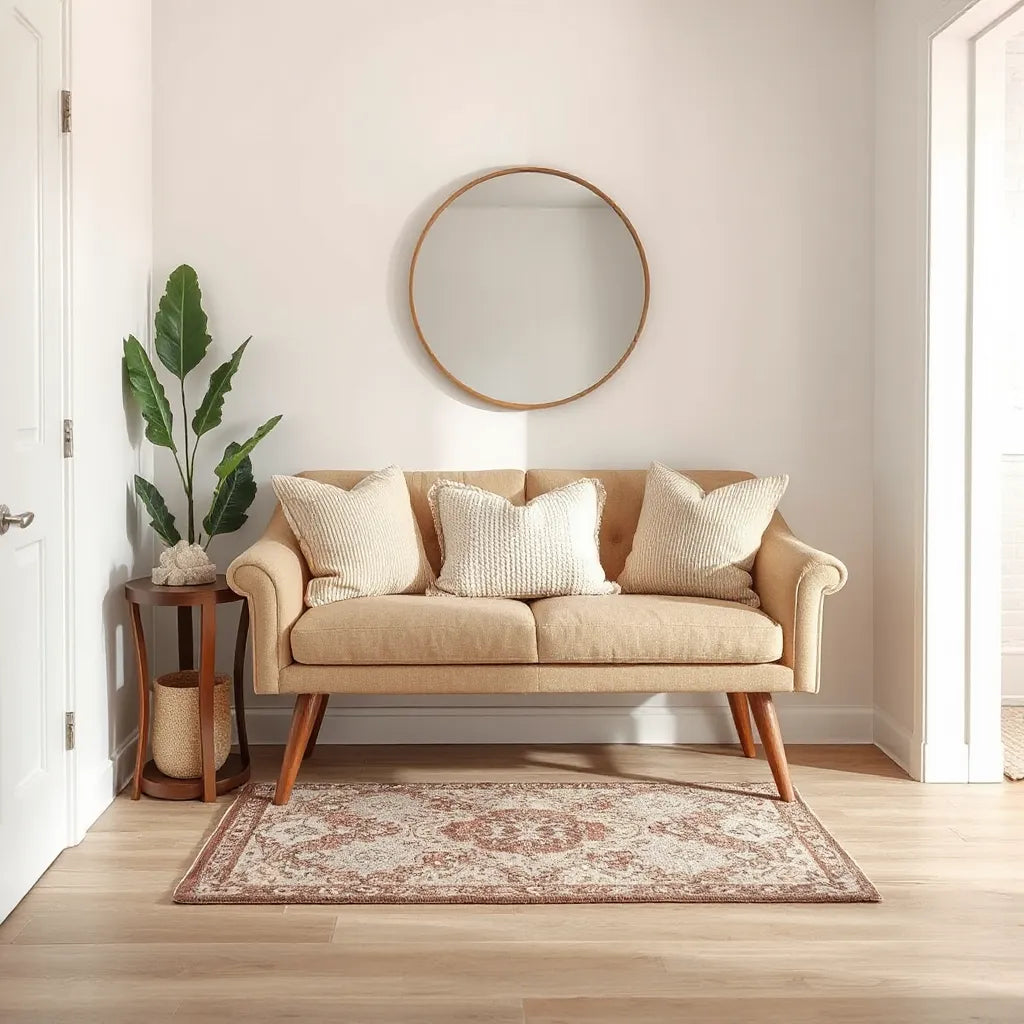
Cozy Accent Benches: Style Ideas for Every Space
Sulieman Alhazma
Sep 20, 2026
Updated on: 2026-09-20 Cozy accent benches are one of the easiest ways to add comfort, character, and practical seating to a room. In entryways, they help you sit while you put on shoes and keep daily essentials within reach. In bedrooms and living areas, they add extra guest seating and create a natural spot for throws, pillows, and styling. If you want a small furniture piece that makes a big visual impact, a well-chosen bench can do it without overwhelming your space. What cozy accent benches solve in real life A quick story: how one bench changed my layout Key advantages of cozy accent benches Style ideas that fit your home Quick tips for choosing the right bench Where to place an accent bench What customers say Summary and next steps Q&A about accent benches What cozy accent benches solve in real life When a room feels almost finished but still lacks comfort, it usually needs one more “functional detail.” That is where cozy accent benches shine. They add seating without needing an entire second chair, and they create a welcoming surface for everyday items. Whether you want a spot for a quick rest, a place to set a bag, or a gentle style upgrade, a bench helps you get there faster. Many homes also face a common layout problem: the entryway is too narrow for bulky furniture, but it still needs practicality. Bedrooms can feel empty when you skip a seating layer, and living rooms often need flexible spots for guests. A bench meets all those needs while staying visually light compared to larger pieces. In this guide, you will learn how to choose a bench that looks intentional, feels comfortable, and supports your daily routine. We will also share placement ideas, customer-style feedback, and smart buying guidance for a smooth, confident decision. A quick story: how one bench changed my layout I used to think my hallway was “fine,” even though it felt cold and incomplete. I had hooks on the wall and a small console, but there was nowhere to sit while putting on shoes. One weekend, I added a cozy bench at the end of the hallway. The change was subtle at first, but the room instantly felt more lived-in. Within days, the bench became a natural stop. Keys landed there. A small throw folded on top looked inviting instead of cluttered. When guests arrived, they actually used it while we chatted. It also made the whole space look more designed, because the bench connected the console, the mirror, and the flow into the rest of the home. Hallway seating moment: mirror, throw, and open walkway Key advantages of cozy accent benches Choosing the right bench is about more than appearance. The best options bring comfort, order, and style into the same small footprint. Here are the advantages to look for. Extra seating without crowding: A bench can serve one person comfortably or fit more during gatherings. Instant storage-friendly styling: Top surfaces work well for a folded throw, a basket, or a decorative tray. Improved daily routines: Use it for shoes, bags, or quick outfit checks in the morning. Better room balance: It visually anchors spaces where chairs alone feel too scattered. Easy to match: Many benches coordinate naturally with wood tones, upholstery colors, and existing décor. Most importantly, a bench helps you build a “comfort layer.” The room stops feeling like furniture is only for sitting, and it starts feeling like it supports real life. Style ideas that fit your home Cozy accents can look different depending on your décor style. The good news is that benches are adaptable. Here are practical ways to choose a look that blends in and still stands out. Warm and classic If your space leans traditional, choose a bench with rich wood tones and a timeless silhouette. Pair it with a neutral cushion or a simple throw to keep the look inviting rather than busy. This style works especially well in entryways and bedrooms. Soft and modern Modern spaces usually benefit from clean lines and comfortable upholstery. If your rooms include lighter colors, you can use the bench to add depth with a textured fabric or a mid-tone finish. Cozy cottage feel For a more relaxed home style, a bench can be styled with layered textiles. Think of a simple cushion, a knitted throw, and a small decorative piece that makes the space feel welcoming year-round. If you are also upgrading surrounding furniture, it helps to keep materials and finishes consistent. For example, if your entryway or bedroom already uses matching wood pieces, selecting a bench that aligns with those tones creates a polished, cohesive look. You can also explore complementary furniture collections at Home & Sleep Outlet in Rowlett, TX. Living room guest spots: bench centered with soft textiles Quick tips for choosing the right bench Before you shop, take a few minutes to match the bench to how you will use it. These steps reduce guesswork and help you land on a piece that feels right from day one. Measure the space twice: Leave enough clearance for traffic flow and door movement. Choose comfort for your routine: If it is for quick shoe changes, prioritize a supportive seat height. If it is for guests, prioritize broader comfort. Match the visual weight: A bench can look too heavy if it is oversized. Balance it with nearby furniture. Pick a finish that coordinates: Align wood color and undertones with your existing décor so it looks intentional. Plan the styling: Decide whether you will use a throw, cushion, or basket so the top surface looks styled, not cluttered. Shopping becomes easier when you treat the bench as a functional accent, not just a decorative add-on. It should solve an everyday need while elevating the space. Where to place an accent bench The best placement depends on what you want the bench to do. Here are the most popular locations and how they typically work. Entryway seating Place a bench where you can sit comfortably while putting on shoes. Add a small tray for mail or a basket for gloves. This helps your entryway stay neat without constant organizing. End of the bed An accent bench at the foot of the bed creates a natural spot for folding blankets or laying out a morning outfit. It also makes your bedroom feel more complete and hotel-like in a warm, homey way. Living room extra seating If your living room hosts friends often, a bench can provide flexible seating without blocking the room. Style it with a cushion and a throw so it blends into the rest of the décor. Dining overflow moments In smaller dining spaces, a bench can add seating when needed. You can place it near a wall or in a nearby nook where it feels natural. For a coordinated look, consider building around the same wood tones. If you want inspiration for matching room pieces, you may also like the storage and bedroom options available through Home & Sleep Outlet and our online catalog. What customers say Customer feedback consistently points to the same theme: a bench feels like a small change that makes daily life better. Here are realistic examples of the kinds of benefits people notice after adding an accent bench. “It made our entryway feel finished.” Customers often mention that the bench creates a focal point and makes the space look more thoughtfully styled. “We use it every day.” Many buyers highlight practical routines like shoe changes, bag storage, or grabbing a throw before leaving. “It helps with guest seating.” Guests notice the extra place to sit, and hosts love how it does not disrupt the room layout. While everyone’s space is different, the same benefits show up again and again. Comfort, flexibility, and visual harmony are the most common reasons people recommend a bench to others. If you want to pair your bench with matching bedroom furniture, you can browse related pieces on our site. For example, explore elegant bedroom and storage options like a chateau night stand or a coordinated dresser set such as dresser and mirror set. Pairing tones helps the bench look like it belongs in the room. Summary and next steps Cozy accent benches are a practical upgrade that makes rooms feel more comfortable, organized, and welcoming. They add flexible seating, create a surface for styling, and solve everyday moments like shoes by the door or a warm landing spot at the end of the bed. With the right size, finish, and placement, a bench can make your space look intentional without taking over the room. Your next step is simple: pick the location that matters most to you—entryway, bedroom, or living area—then measure the space and decide what you want the bench to do. If you are ready to browse options that match your décor, visit Home & Sleep Outlet in Rowlett, TX or explore our online catalog. Call to action: Choose the bench that fits your routine and your style. Add it today to create a more welcoming home—one cozy accent at a time. Q&A about accent benches How do I choose the right size for cozy accent benches? Start with your space measurements. Leave clearance for walking paths and consider the placement location. As a rule of thumb, make sure you can sit comfortably and still reach nearby furniture easily. If the bench is for guests, consider a slightly wider seat so it feels usable during longer visits. What styles work best with existing furniture? Look for visual harmony. Match the bench finish to nearby wood tones and choose colors that complement your upholstery and décor. If your home already uses warm woods, a bench that shares similar undertones will look cohesive. For modern rooms, look for clean lines and comfortable upholstery that fits your color palette. Can I use a bench in a small room? Yes. Benches are often easier to fit than larger seating because they stay closer to the wall. Choose a design with a streamlined silhouette and focus on placement. An entryway bench, a foot-of-bed bench, or a narrow living area bench can make a small space feel more functional without clutter. Disclaimer: This article is for general guidance only. Product availability, features, and specifications can change. Always review the details for the specific item before purchasing. Sulieman Alhazma CEO https://www.linkedin.com/in/sulieman-alhazama-7340b4324 I like making people happy
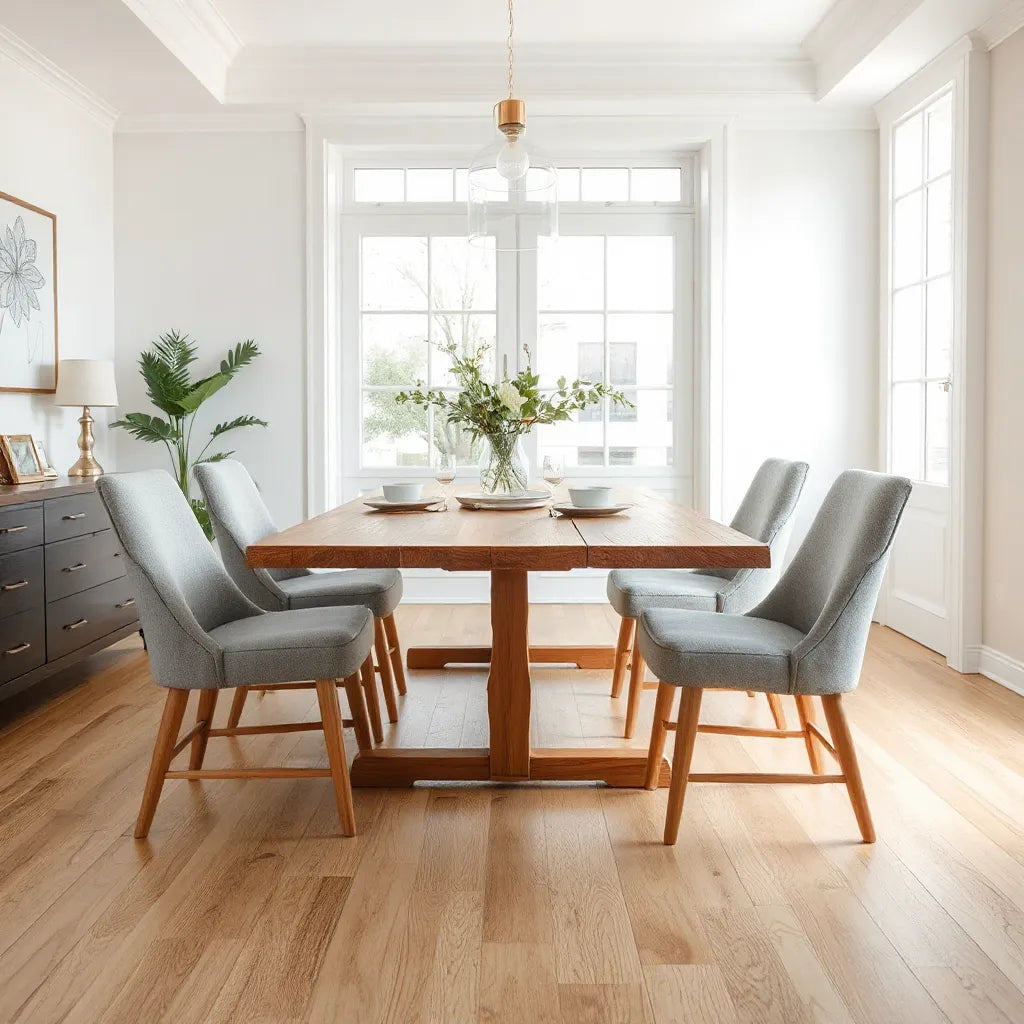
Wooden Dining Tables: Styles, Finishes, and Care Guide
Sulieman Alhazma
Sep 18, 2026
Updated on: 2026-09-18 If you are shopping for wooden dining tables, you likely want more than a place to eat. You want a centerpiece that looks warm, feels sturdy, and works for real life—weeknight meals, holiday hosting, and everyday gatherings. In this guide, you will learn how to choose the right size, wood finish, and table style so it matches your space and your lifestyle. You will also find simple care tips that help protect the surface and keep your table looking its best over time. Finally, you will see practical recommendations and a few common mistakes to avoid, so you can buy with confidence. 1. Wooden dining tables are more than furniture 2. Common challenges when buying a wooden dining table 3. Comparison: round, rectangular, and extendable options 4. How to choose the right wood finish and style 5. Setup and care for long-lasting beauty 6. Summary & recommendations Wooden dining tables are more than furniture When you choose wooden dining tables, you are choosing a lasting atmosphere. A good table anchors your dining area and makes daily routines feel more intentional. It sets the tone for family dinners, game nights, and coffee chats that stretch longer than planned. Wood also brings natural warmth. Even in a modern home, the texture and grain patterns help soften hard lines. That visual comfort matters when you want your space to feel inviting rather than staged. At Home & Sleep Outlet in Rowlett, TX, we help shoppers find furniture that fits real homes. If you are furnishing an open-plan space, pairing a dining room with a home office, or simply upgrading from an older setup, the right table can bring clarity to the whole room. When a dining table becomes your home’s “default gathering spot” Some furniture looks good in photos, but does not handle life. Wooden dining tables usually perform better in day-to-day use because they are designed to be part of your routine. Think about setting down homework, rolling out a board game, or holding seasonal decor for weeks at a time. The table is where those moments happen. Warm wood grain, subtle light, shared meal silhouettes Common challenges when buying a wooden dining table Shopping can feel confusing because tables come in many shapes, sizes, and finishes. Below are the most common issues people run into—and how to solve them before you order. Challenge 1: Choosing the wrong size for your room A table can look “almost right” online and still feel cramped once it is in your space. Before you buy, measure your dining area and plan for walking room. Aim for comfortable clearance so chairs can slide in and out without constant squeezing. Measure the space where the table will sit, then measure doorways and walkway paths. Consider your chair style and whether you push chairs fully under the table. If you host often, plan for extra seating rather than forcing guests to crowd. If you need help planning a full room layout, you can explore our broader catalog for complementary pieces that make the setup feel complete: Shop dining furniture. Challenge 2: Worrying about maintenance and daily wear It is normal to wonder how a wood surface holds up. You can protect your investment with simple habits. Use placemats for hot dishes, wipe spills promptly, and avoid harsh cleaners that can dull the finish. Use coasters for drinks to reduce ring marks. Clean gently with a soft cloth and a wood-safe cleaner when needed. Place a runner in the center if you serve meals often. This approach keeps the table looking polished without overthinking it. Challenge 3: Finding a style that matches your existing decor Your dining area probably already has visual cues—floor tone, cabinet color, lighting style, and even the mood of your textiles. A table can either blend in or become the main statement. Choose a finish that connects to what you already own. If your space has warm undertones, consider wood tones that reflect that warmth. If your home is cooler and more minimal, look for finishes with a cleaner grain look. Challenge 4: Seating needs that change over time Many households start with a small setup and grow into hosting. That is why the shape of your table matters. Round tables encourage easy conversation. Rectangular tables offer flexibility for long meal spreads and buffet-style service. Extendable tables let you adjust without replacing the entire piece. Comparison: round, rectangular, and extendable options Use this quick comparison to choose a wooden dining table shape that fits your routine. Round tables encourage conversation and work well in smaller spaces because there are no corners. They are great for everyday meals, casual breakfasts, and compact dining rooms. Rectangular tables are versatile and usually provide more surface length for serving. They fit well in formal dining rooms and open areas where you want a clear focal line. Extendable tables handle both daily life and special occasions. You can keep the base size comfortable and then open it up for guests. Below is a simple pros-and-cons view. Pros & cons at a glance Round: Pros—friendly seating flow, space-efficient. Cons—may reduce long-serving surface area. Rectangular: Pros—easy to arrange place settings, ideal for buffet setups. Cons—corners can feel tight in narrow rooms. Extendable: Pros—flexible seating, fewer replacement upgrades. Cons—requires space for extension and extra storage planning. Three table silhouettes with arrows for seating flow How to choose the right wood finish and style Finish and style decide whether a table feels like a natural fit or an out-of-place detail. Start with the mood you want: warm and inviting, clean and modern, or timeless and traditional. Pick a finish that matches your room’s undertones Wood tones typically fall into a few directions. Warm tones often pair beautifully with beige, cream, and warm gray decor. Cooler tones can look crisp with white walls, darker accents, and streamlined furniture. Look at your flooring and cabinetry first. When a dining table’s tone echoes the room, everything looks more intentional. When tones clash, the whole space can feel less cohesive—even if every piece is high quality. Consider grain pattern and visual texture Grain adds character, but too much contrast can overwhelm a busy room. If your dining space already has patterned chairs or bold wall art, choose a finish that feels balanced. If your decor is simple, a more expressive grain can create visual interest. Choose a style for your daily routine Your table style should match how you eat and gather. If your meals are casual, prioritize smooth surfaces and practical edges that feel comfortable to use. If you host often, focus on table length and easy chair spacing for guests. If you work from the dining area, consider a surface shape that supports laptop placement and quick cleanups. Real-life product pairing ideas (for a coordinated room) Many shoppers want a complete look, not just a single piece. While your dining table is the anchor, complementary items help everything feel finished. For example, pairing a dining setup with a wood-lined storage or bedroom furniture piece can create continuity across rooms. If you enjoy the look of vintage-inspired cherry tones, you might also like exploring other pieces from our collection, such as this dresser option: vintage cherry bureau. Customer feedback highlights (what buyers often mention) When customers choose wooden dining tables, they usually bring up a few themes: the table becomes the “center” of the room, the finish looks better over time, and the dining space feels more welcoming. Many also say they appreciate buying one key piece that ties together chairs, lighting, and decor. Because every home is different, focus on how the table will fit your routine. A dining table is not just for holidays—it is for your ordinary days that deserve a beautiful setting. Setup and care for long-lasting beauty To keep your wooden dining table looking great, treat it like a centerpiece you protect. The right setup helps prevent scratches, heat marks, and dulling around high-use spots. Step 1: Protect the surface from daily hazards Use coasters under drinks and placemats under daily meals. Slide chairs gently into place to avoid scraping. Place hot pots and pans on trivets, not directly on the finish. Step 2: Clean with care, not harsh chemicals Regular wiping removes crumbs and light spills before they build up. For routine cleaning, a soft cloth and wood-safe cleaner is usually enough. Avoid aggressive scrubbing, and do not let moisture sit on the surface. Step 3: Maintain the look with simple habits Even with daily care, wood can respond to indoor conditions. Keep your home at stable temperature and humidity when possible. If you live in a very dry or very humid climate, your table may benefit from occasional conditioning based on the finish type. When in doubt, check the manufacturer guidance for your exact table finish and follow those recommendations for maintenance. Common mistakes to avoid Skipping placemats during frequent meals and hosting. Using furniture polish too often without considering the finish. Dragging chairs across the surface during cleaning or rearranging. Placing it near heat vents or direct sun that can dry or fade finishes over time. Summary & recommendations Wooden dining tables are a smart upgrade because they combine everyday function with lasting style. When you choose the right size, match the finish to your room, and set the table up with protective habits, you get a centerpiece that supports real life—not just special occasions. If you are deciding between round, rectangular, and extendable shapes, think about how you host and how your space flows. Round options bring conversation close. Rectangular designs deliver practical length for serving. Extendable tables adapt as your household grows. For a confident purchase experience, shop with your measurements ready and your maintenance comfort in mind. If you want to explore more furniture ideas and build a cohesive room, start here: Home & Sleep Outlet furniture selection. And if you want a quick, style-adjacent read for coordinating lighting with your dining area, you may also enjoy this guide: Stained Glass Chandelier Guide: Styles, Sizing, Care. Disclaimer: Product details, availability, and finishes can vary by model and supplier. Always review the specific product listing for measurements, care instructions, and warranty information before purchase. Q&A How do I measure for wooden dining tables without guessing? Start by measuring the width and length of the area where the table will sit. Then measure space for chair movement by allowing clearance around the perimeter. If you already own dining chairs, account for their footprint when pulled out. If you plan to host, consider a slightly larger option or choose an extendable table to add seating when needed. What is the easiest way to protect a wood dining surface every day? Use coasters and placemats. Keep hot items on trivets, and wipe spills soon after they happen. For cleaning, stick to a soft cloth and wood-safe products. Gentle, consistent care helps the finish stay smooth and reduces the risk of visible wear over time. Are round or rectangular wooden dining tables better for small spaces? Round tables are often a strong choice for smaller rooms because they remove corners and make movement feel smoother. Rectangular tables work well too if you have enough width for comfortable chair spacing. The best option depends on your room layout, chair style, and how you want guests to move around the table during meals. Sulieman Alhazma CEO https://www.linkedin.com/in/sulieman-alhazama-7340b4324 I like making people happy
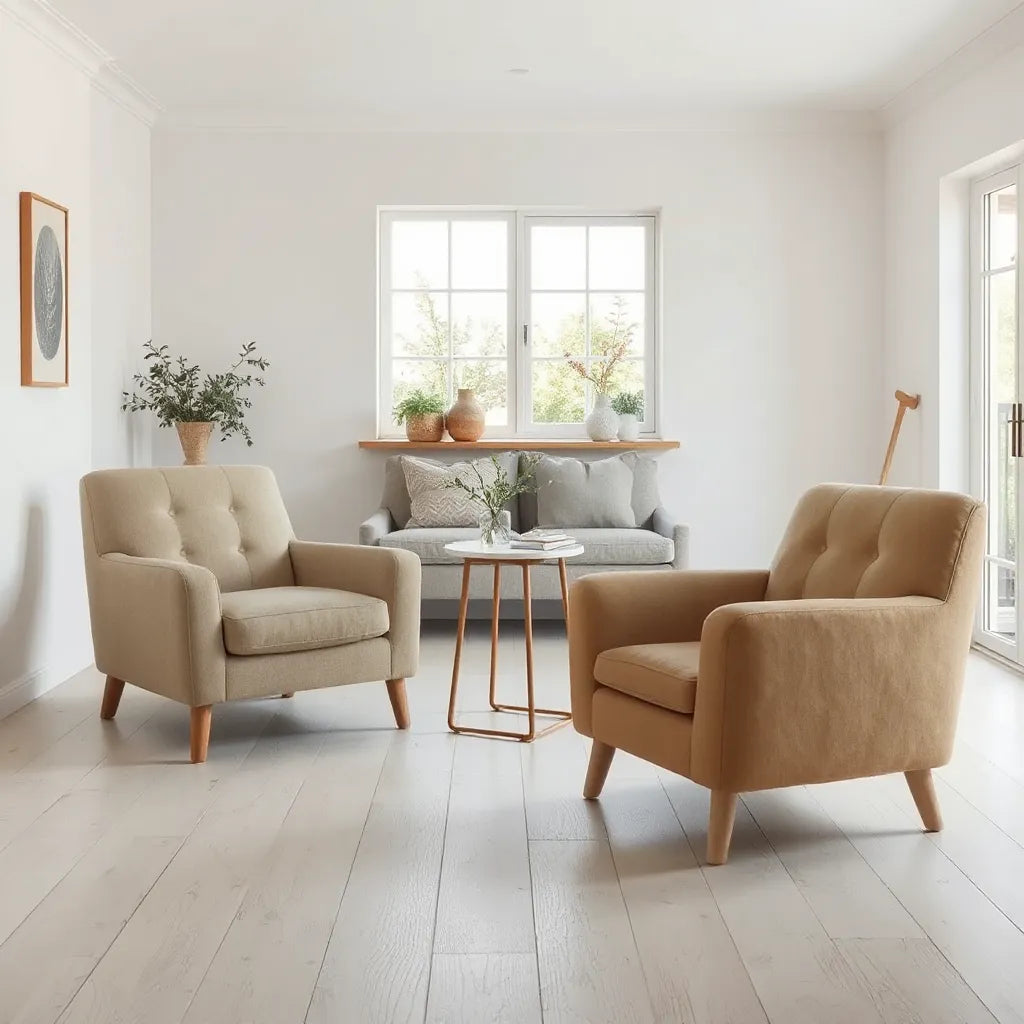
Upholstered Chairs: Styling Tips for Every Room
Sulieman Alhazma
Sep 16, 2026
Updated on: 2026-09-16 Upgraded seating can change how a room feels, not just how it looks. Upholstered chairs add comfort, style, and support in everyday moments—reading, working, dining, or hosting. With the right fabric, cushion thickness, and size, you can reduce discomfort and make your space more inviting. If you want a chair that blends beautifully with your décor and holds up through daily use, start with fit, function, and finish. 1. Why upholstered chairs change a room 2. How to choose upholstered chairs for your space 3. Comfort checklist before you buy 4. Placement ideas that look intentional 5. Fabric care and longevity tips 6. What customers say about upholstered seating 7. Simple styling formulas 8. How-To Guide 9. Common Questions Answered Why upholstered chairs change a room When your seating feels comfortable and looks polished, the entire space feels more finished. Upholstered chairs soften hard surfaces, add warmth, and give you a place to linger. Whether you’re updating a living room, styling a reading nook, or making a dining area feel more welcoming, the right chair creates a comfortable focal point. Unlike basic seating, upholstered styles can balance everyday practicality with design. You get cushioned support that helps you sit longer, plus fabrics that can match your palette. If your current chairs make you shift positions or avoid hosting, a better upholstered option can help you enjoy the room more often. At Home & Sleep Outlet in Rowlett, TX, we focus on furniture that fits real life. You can shop a large selection online and get help building a coordinated room that feels cohesive. If you’re comparing options, it also helps to see how chairs work with other pieces like dressers, desks, and beds. Soft textures, warm light, and balanced seating silhouettes 2. How to choose upholstered chairs for your space Choosing upholstered chairs is easier when you start with your use case. Ask where the chair will live and how you want it to feel. For a reading corner: prioritize arm comfort, a supportive seat cushion, and fabric that feels pleasant against your skin. For a dining area: look for chairs that fit under your table comfortably and have stable support for longer meals. For a home office: choose a chair that keeps posture comfortable and supports your body without making you feel cramped. For entryways: select a design that looks inviting while still being easy to maintain. Next, match the chair’s size to the room. A chair that’s too large can overpower a space, while one that’s too small can look out of place and feel unstable. When you measure, don’t forget clearance for movement and doorways. If you also plan to refresh your storage or sleeping area, coordinating pieces can make the whole home feel curated. For example, you may find it helpful to pair your seating upgrade with a complementary room layout. Nightstands that pair with your décor Comfort checklist before you buy Comfort is not just about softness. The best upholstered chairs support your body so you can stay relaxed without feeling pressured. Use this checklist to narrow down your options quickly. Seat depth: Your knees should form a comfortable angle when you sit. Too deep can create pressure under the thighs; too shallow can make your back work harder. Cushion thickness: A cushion that’s too thin may feel hard after time, while overly plush seating can make you sink. Back support: Look for a supportive back shape that helps you sit upright comfortably. Arm height: Arms should support you without forcing your shoulders up. If your space is tight, consider armless or low-arm options. Stability: You want a chair that feels grounded when you sit and stand. Stability matters as much as padding. Fabric feel matters too. If you want easy everyday comfort, choose a texture that feels smooth, breathable, or softly textured based on your preference. If you have kids or frequently host guests, focus on upholstery that you can maintain without stress. Placement ideas that look intentional Great placement turns a chair from “something you own” into part of your room’s design rhythm. Use these placement ideas to create a setup that feels natural. Create a conversation zone: Place a pair of upholstered chairs facing a sofa or seating area, leaving enough space for guests to move comfortably. Balance a sectional: Adding upholstered seating with complementary tone helps break up visual mass and makes the space feel lighter. Frame a table or desk: Two chairs on either side of a focal piece can make the layout look styled, not accidental. Anchor a reading nook: Put a chair near a lamp and a small side table. Upholstery adds softness to the corner so it feels inviting. One simple design trick: aim for a consistent visual weight. If the rest of your furniture is bold, choose upholstery that complements instead of competing. If your room is light and airy, richer tones can add depth without overwhelming. Measured layout markers and balanced chair spacing Fabric care and longevity tips Upholstered furniture can stay beautiful for years when you treat care like part of ownership. You don’t need complicated routines. Just a few habits help protect your investment. Vacuum regularly: Use a soft brush attachment to remove dust and debris from seams and creases. Blot spills immediately: Don’t scrub. Blot gently with a clean cloth to lift the spill. Rotate cushions when possible: If the chair has removable or shiftable cushions, rotation helps even out wear. Use protective spacing from sunlight: Direct sun can fade fabrics over time, especially near windows. Follow manufacturer guidance: Each upholstery fabric can have different cleaning needs. Always check the care instructions that come with your chair. For households that use chairs daily, care is also about prevention. Keep coasters for drinks, use throws when needed, and make quick cleanups part of the routine. This protects the fabric while keeping the chair looking fresh. What customers say about upholstered seating Comfort is personal, but patterns repeat. Many customers choose upholstered chairs because they want a chair that feels supportive for real-life use. Here are common themes you can expect when customers upgrade to upholstered seating. “I sit longer without shifting.” People often mention that they feel more relaxed during reading, working, or conversation. “It looks more finished.” Upholstery adds texture and tone, which helps the room feel styled and cohesive. “It feels right for hosting.” Guests notice comfort quickly, and a comfortable chair encourages people to stay longer. “The fabric fits our lifestyle.” Customers who host frequently appreciate upholstery they can care for easily. We also hear from customers who were initially unsure about fabric choices. They want a chair that looks elevated but still fits everyday life. The good news is that upholstery can be selected to match your routines, not the other way around. If you’re exploring a broader room refresh alongside your chair upgrade, browsing coordinated storage pieces can help. You may find it easier to build a consistent look when you select furniture with matching tones. Coordinating bedroom upgrades Simple styling formulas You don’t need a designer budget to make upholstered chairs look intentional. Use these easy styling formulas. Match tone, not exact shade: Choose upholstery that matches one element in the room, like wood tone, wall color, or a patterned accent. Repeat a texture: If you have a rug with a soft weave, select upholstery with a similar feel. Texture repetition creates cohesion. Anchor with a neutral base: Neutral upholstery gives flexibility for seasonal pillows and throws. Use contrast for interest: If your room is mostly neutral, add contrast through chair tone or a bold cushion color. For a quick upgrade, try adding a small side table next to your chair. Pair it with a lamp and a tray for everyday items. This makes the chair feel functional while elevating the overall look. How-To Guide Ready to buy upholstered chairs that feel right the first day? Follow this simple process to choose confidently. 1) Measure your space before you compare styles Measure where the chair will go. Include clearance for doors, walkways, and table space. If you’re buying for a dining setup, measure from the floor to the underside of your table so the chair sits comfortably. 2) Decide the primary job of the chair Choose one main use: reading, working, dining, or hosting. Comfort priorities differ by use. A home office seat needs long-session support. A dining chair should feel stable and ergonomic for meals. 3) Pick the upholstery fabric for your lifestyle Consider how you’ll use the chair. If you host often, think about spill readiness and easy upkeep. If it’s a quieter space, you can focus more on texture and color mood. 4) Select the right shape and size Match the chair’s silhouette to your room. Rounded backs feel inviting. Structured backs can look sleek and modern. Keep the seat height and arm profile aligned with the surrounding furniture. 5) Test comfort with a quick “sit and stand” check When possible, sit in the chair and stand up smoothly. Pay attention to back support, seat comfort, and arm usability. A chair should help you change positions without strain. 6) Confirm care and maintenance expectations Look for clear care guidance. Choose a fabric that you can keep clean with your routine. This reduces long-term frustration and helps your chair keep its look. If you want help choosing a cohesive look for your home, consider exploring complementary furniture categories alongside your chair upgrade. Home & Sleep Outlet in Rowlett, TX also offers financing and local delivery, which can make a multi-piece refresh easier. You can also browse a curated variety of home-inspired décor and accessories at Otaku Haven. Common Questions Answered How do I know which upholstered chairs are the right size? Start with measurements. For dining use, check that the chair fits under the table with comfortable clearance. For living rooms or offices, measure seat height needs and allow enough room for you to move and sit comfortably without bumping nearby furniture. What upholstery fabric is easiest to maintain? The best option depends on your lifestyle, but in general, fabrics that tolerate routine vacuuming and simple spot cleaning tend to fit daily use well. If spills are common, prioritize upholstery that can be cleaned quickly without heavy effort. Do upholstered chairs work in small spaces? Yes. Choose chairs with slimmer profiles, consider armless or low-arm designs, and keep spacing tight but comfortable. Light-colored upholstery can also help small rooms feel more open. How many upholstered chairs should I buy for a room? There’s no single number. Common approaches include using one statement chair for a reading nook, buying two for balanced conversation seating, or selecting a set for dining and hosting comfort. The best count is the one that matches your layout and how often you entertain. Disclaimer: Product availability, specifications, and upholstery care guidance can vary by item. Please review the full product details and care instructions for your specific upholstered chair before purchase and use. Sulieman Alhazma CEO https://www.linkedin.com/in/sulieman-alhazama-7340b4324 I like making people happy
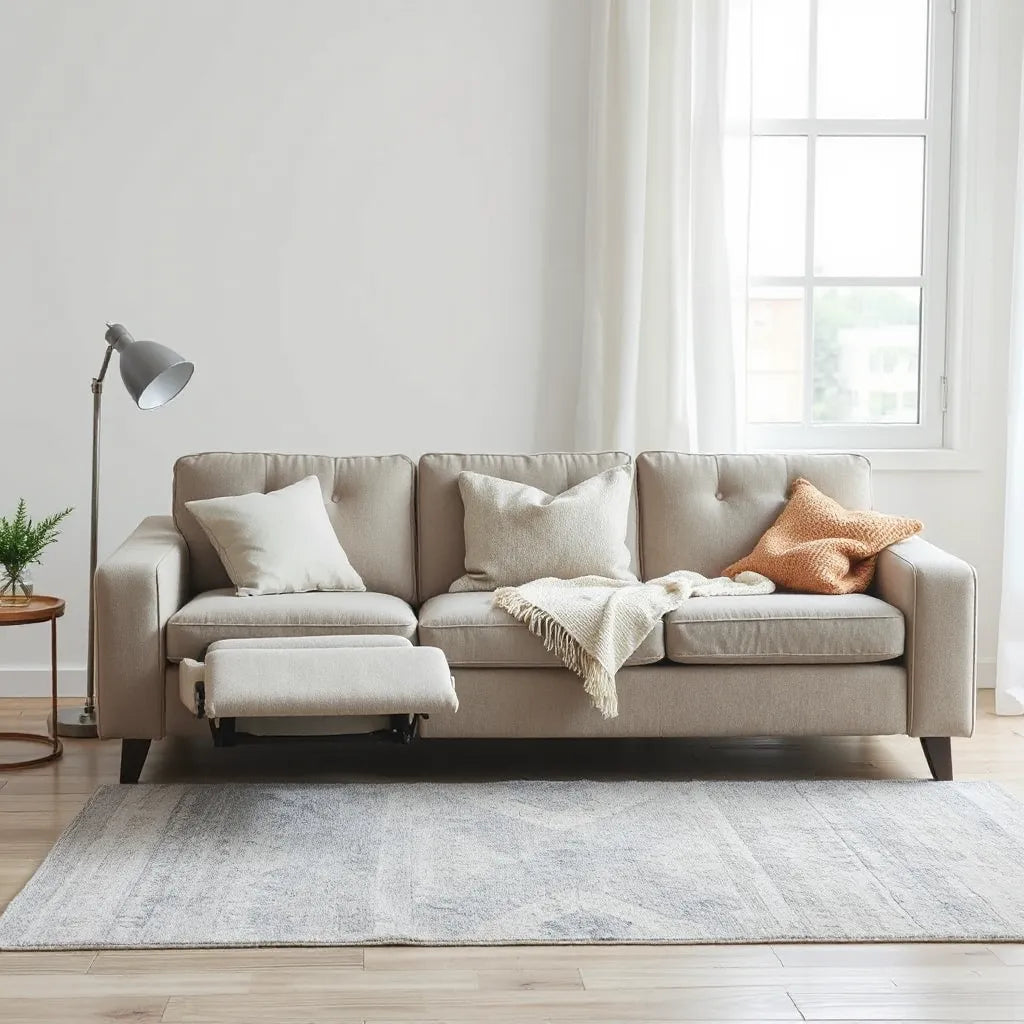
Reclining Sofas for Comfort: Setup Tips That Feel Great
Sulieman Alhazma
Sep 14, 2026
Updated on: September 14, 2026 If you want a living room that feels more relaxing every time you sit down, reclining sofas for comfort can be the difference. They support your body in a way that regular seating can’t, helping you stretch out, unwind, and reset after a long day. With options like smooth reclining, cozy upholstery, and family-friendly designs, you can match your lifestyle and your space. This guide walks through how to choose the right model, how to set it up, and why customers keep coming back to the recline experience. Table of Contents Product Spotlight How to Choose Reclining Sofas for Comfort Set Up Your Reclining Sofa for Real Relaxation Why Reclining Feels Better Than Upright Seating Personal Experience Summary & Recommendations Product Spotlight: A Reclining Sofa Built for Everyday Comfort Not all reclining furniture feels the same. The best reclining sofas for comfort are designed for repeat use: smooth motion, supportive seating, and a look that still fits your home even after years of movie nights and weekend lounging. When you pick one that matches your routine, relaxation becomes effortless instead of something you have to “earn” by adjusting your posture constantly. Here’s what to look for in a comfort-focused reclining sofa experience: Support where you need it: A well-designed back and seat help you settle in without feeling like you’re sinking. That means you can watch, read, or unwind without constantly moving around. Recline control you can use fast: A comfortable recline should be simple to operate. When reclining is easy, you’ll actually use it, not just admire it. Fabric and cushioning that hold up to daily life: You want a sofa that stays inviting after regular use, from afternoon naps to evening conversations. A style that blends in: Reclining doesn’t have to look bulky or awkward. The right proportions and finish make it feel like part of your room, not a separate “zone.” If you are upgrading your living room and want a clear, practical path to choosing, start with comfort features first. Then you can fine-tune the rest based on your space and your family’s habits. Close-up lighting shows motion cues and relaxed posture. How to Choose Reclining Sofas for Comfort Choosing a reclining sofa can feel overwhelming because there are many options. The good news: you can narrow it down quickly by focusing on what impacts comfort the most. 1) Measure your room and plan for full recline Before you compare models, map out your space. Reclining needs clearance behind the sofa. Measure the length of your wall to where you can still move, and leave room for the backrest to extend. This prevents the frustration of having a great sofa that won’t fully recline where you placed it. 2) Choose the reclining style that matches your habits Some people want a quick recline for short breaks. Others prefer deeper lounging for long movie marathons. Look for recline motion that feels smooth and stable. If you tend to sit upright for meals or games, prioritize a sofa that transitions easily from upright to reclining positions. 3) Pick cushioning that supports your body Comfort is more than softness. The best reclining seating feels supportive when you sit up and still feels secure when you lean back. If you often feel “stuck” in your seat, try to find a balance between plush feel and structured support. 4) Check the back and seat depth Back height and seat depth can make a huge difference. If the seat feels too shallow, you may not feel supported when you recline. If it feels too deep, you may feel like you’re sliding forward. Your goal is simple: sit naturally, then recline without adjusting every few minutes. 5) Think about daily use and easy care Reclining sofas for comfort typically become the main seating in a home. Choose upholstery that fits your everyday needs. Consider how often you entertain, whether kids or pets share the space, and how you prefer to clean. The right fabric helps keep the sofa looking welcoming. 6) Match the design to your living room layout A recliner that matches your room style makes the upgrade feel intentional. Look at color, scale, and how the sofa lines up with your media center or living area seating. When the design fits, you’ll enjoy the comfort more because the space feels cohesive. If you want a quick way to build a comfortable home look beyond the sofa, consider pairing it with coordinated pieces. For example, you can explore storage and bedroom styles that match your living room vibe through a matching night stand for a unified aesthetic. Set Up Your Reclining Sofa for Real Relaxation Even the best reclining design can feel “almost right” if the setup is off. A few layout choices can make your new sofa feel instantly better. Start with the recline zone When you place the sofa, confirm that the back can recline fully without bumping walls, side tables, or walking paths. This is the easiest way to prevent awkward “partial recline” use. Full recline matters because it’s where you get the most comfort benefit. Keep frequently used items within reach Comfort grows when you don’t have to interrupt relaxation. Position a small side table within reach for drinks, remotes, and books. If you like to work on a laptop from the couch, create an easy surface option nearby. Balance the lighting People relax differently depending on lighting. Softer, warmer lighting can make the reclining experience feel even more calming. If your living room uses brighter overhead lights, add a lamp or adjust placement to create a softer feel for evenings. Layer comfort around the seating Use pillows and throws for texture and personal comfort. This also helps you adapt the sofa feel for different seasons. Keep it simple: one or two supportive pillows and a cozy throw is often enough to make the space feel inviting. Give your sofa time to feel “yours” After setup, use it for a couple of days. You’ll naturally discover your preferred recline position and what extra support feels best. That’s when comfort becomes personal. Floor-plan view shows clearance, side table, and lighting. Why Reclining Feels Better Than Upright Seating Many people think comfort is just a matter of softness. But upright seating asks your body to do more work over time. Reclining helps you shift your posture, so you can relax into your seating instead of constantly finding a “better” position. Here’s how reclining can improve everyday comfort: More natural lounging positions: You can adjust your angle for reading, watching, or resting. That flexibility helps you stay comfortable longer. Reduced seat pressure: When you recline, your weight distribution changes. That can feel like a real break from upright sitting. Better wind-down after busy days: Reclining turns your living room into a place where you actually unwind, not just sit. Family-friendly convenience: Everyone uses the sofa differently. A reclining layout makes it easier to accommodate different preferences in the same room. In other words, reclining sofas for comfort are built to support how people naturally want to rest. When your furniture matches your routine, relaxation feels smoother and more consistent. Personal Experience The moment I realized a reclining sofa was different came during a simple weeknight. I had already planned to “just sit for a bit” while I answered a few messages. Then the movie started, and without thinking, I reclined. What surprised me wasn’t only how relaxed I felt—it was how quickly my body stopped searching for a better seat position. Instead of shifting every few minutes, I stayed comfortable. After that, the sofa became my default. I used it for reading in the late afternoon, for family conversations in the evening, and for those quick naps that turn into longer rest periods than you intended. It wasn’t about being dramatic. It was about how the chair supported me while I did normal, everyday things. If you’ve been hesitating because you think a recline upgrade will only matter “sometimes,” I get it. But once the routine starts, it becomes hard to go back to upright-only seating. Summary & Recommendations Reclining furniture can transform your home’s comfort in a way that’s practical, noticeable, and easy to enjoy every day. If you want to buy with confidence, focus on fit, support, and setup: Measure for full recline so the sofa can do what it’s designed to do. Choose comfort features first and then refine with style and upholstery. Plan your layout so relaxation feels natural, not awkward. If you’re ready to upgrade your living room with comfort in mind, visit Home & Sleep Outlet in Rowlett, TX. You’ll find a wide selection of quality furniture with options from trusted brands like Coaster, Furniture of America, Meridian, and New Classic. You can also ask about financing, local delivery, and complete room sets if you want a coordinated look. Call to action: Bring your measurements, think about how you relax at home, and choose a reclining sofa that supports your everyday routine. Your next movie night, book session, or afternoon reset is closer than you think. Q&A About Reclining Sofas for Comfort How much space do I need behind reclining sofas for comfort? You need enough clearance for the backrest to move smoothly when fully reclined. Measure from the wall to the back edge of the sofa position, then allow extra room for safe walking paths. If you plan to place a side table or decor behind the sofa, keep that area clear so the recline motion stays unrestricted. Are reclining sofas for comfort good for daily sitting, not just lounging? Yes. The best comfort-focused models support upright seating as well as reclining positions. Many people use the sofa for everyday activities like chatting, watching TV, and reading. When you choose a sofa with supportive cushioning and smooth transitions, it stays comfortable for both upright and reclined moments. What should I prioritize if I’m between two reclining sofa options? Compare the areas that directly affect comfort: seat support, back height, and recline smoothness. Also consider your room layout and whether the sofa can recline fully where you plan to place it. If two options look similar, comfort and fit should be the deciding factors. Disclaimer: Product comfort varies by person and room setup. This article is for general information and shopping guidance only and does not provide medical advice. Always review product specifications and care instructions before purchase. Sulieman Alhazma CEO https://www.linkedin.com/in/sulieman-alhazama-7340b4324 I like making people happy

Bedroom Headboards: Style Tips for a Stunning Look
Sulieman Alhazma
Sep 13, 2026
Updated on: 2026-09-13 If you want your room to feel finished, bedroom headboards are one of the easiest upgrades to make. They frame your bed, add comfort when you sit up for reading or winding down, and help your space look more intentional. The right height, style, and fabric can also support your daily routine, from cozy evenings to a calmer morning start. In this guide, you’ll learn how to choose the best headboard for your bed size and décor, plus practical setup ideas and shopping tips. Table of Contents Why bedroom headboards make a difference Product Spotlight: Sleigh bed styling with a headboard focus Did You Know? How to choose the right headboard for your room Pros & Cons Analysis Styling ideas for a polished look Visual guide for the look you want Care and maintenance that keeps it looking fresh Visual guide for comfort and balance FAQ Why bedroom headboards make a difference Bedroom headboards do more than fill empty wall space. They create a clear focal point, making your bed look centered and styled. When your headboard matches the room’s mood, the whole space feels more cohesive—like every piece belongs together. Headboards also support everyday moments. Whether you like to sit up with a book, scroll on your phone, or rest against something while getting ready, a well-designed backrest improves comfort. Many people notice they sit more comfortably and avoid that awkward leaning against a bare wall. On the practical side, headboards can help protect your wall. If your bed sits close to the wall, a solid panel acts as a buffer between daily contact and wear over time. That added structure can make your bedroom feel “finished” without extra décor. Product Spotlight: Sleigh bed styling with a headboard focus If you want your bedroom to feel classic, elegant, and naturally centered, a sleigh-style silhouette is a strong choice. Sleigh beds typically feature a distinctive head and foot profile, so you get statement design without needing extra styling tricks. A bed like this can help bedroom headboards stand out even in a smaller space because the shape does the work visually. One popular direction is the Chateau sleigh bed for a queen setup. The headboard portion creates a confident frame at the top of the bed, which is especially helpful when your wall is plain or your nightstands are simple. Instead of searching for separate décor to “complete the look,” you can rely on the headboard’s form to bring harmony. This style works well in many rooms: guest bedrooms, master suites, and even a cozy spare room where you want guests to feel comfortable right away. Pair it with warm lighting, simple bedding, and a clean nightstand surface to let the headboard shape become the focal point. Bed wall frame, soft lighting, centered focal point Did You Know? A headboard can change how big your bedroom feels by creating visual balance. Upholstered styles often feel more comfortable for seated reading or relaxing. Choosing the right height helps your pillows land where they should. Matching the headboard finish to your nightstand tone can instantly unify the room. How to choose the right headboard for your room Start with your goal. Are you aiming for comfort, style, or a mix of both? Once you know that, selecting the right bedroom headboards becomes much simpler. 1) Pick the bed size first, then match the headboard scale The headboard should fit your mattress width and look proportional. If the headboard is too narrow or too short, the bed can look “floating” rather than anchored. If it is too large, it may overwhelm the room. A well-scaled headboard makes the bed look intentional from the moment you walk in. 2) Choose a style that fits your daily routine Think about how you use your bed. If you sit up often, an upholstered or padded back can feel more inviting. If you prefer a firmer feel, a wood or structured style offers a clean, tailored look. Either way, the goal is to create a spot that feels comfortable for the way you actually live. 3) Coordinate the finish and color story Bedrooms look best when there is a repeat of key tones. If your nightstands are warm wood, a warm-toned headboard creates continuity. If you lean neutral with soft bedding, a headboard in a complementary finish adds depth without extra clutter. 4) Measure your wall space and headboard height Take note of what is around the bed: windows, outlets, and clearance from the ceiling fan or lighting. Even small height changes can affect how the room feels. When the headboard lines up naturally with the rest of the furniture, the space looks more cohesive. 5) Think about your flooring and traffic flow Some headboard designs extend farther forward visually than others. If your room has a tight walkway, a simpler silhouette can keep the line clean. If you have more space, you can lean into a more detailed look for drama and depth. Pros & Cons Analysis Pros: Creates a strong focal point that makes the bed look “complete.” Pros: Adds comfort for seated moments like reading or getting ready. Pros: Helps protect walls from daily contact in close-bed layouts. Pros: Works with many décor themes, from classic to modern. Cons: Style variety can feel overwhelming if you do not start with measurements. Cons: Upholstered designs may require simple spot-care to keep fabrics looking fresh. Cons: If the headboard height does not match pillow preferences, comfort may feel off. Styling ideas for a polished look You do not need a full room refresh to make your bedroom headboards look great. A few targeted changes can help the headboard lead the design. Keep bedding aligned with the headboard shape. If your headboard has sweeping curves, choose bedding with clean lines so the design reads smoothly. If it has tufting or a panel look, a simple duvet or sheet set helps keep the overall pattern balanced. Use the nightstand to echo the headboard tone. Even when styles differ, repeating wood tones or hardware finishes brings everything together. A coordinated look makes the headboard feel like it belongs. Layer lighting thoughtfully. A warm lamp on each side of the bed softens the headboard and creates a welcoming glow. If you have one side only, position lighting so the top third of the headboard gets a gentle highlight. Choose a simple wall treatment. If the wall is busy, keep the bedding and headboard styling clean. If the wall is plain, let the headboard add personality and depth. Room-use ideas that work Guest room: Pick a style that looks elevated even with minimal décor. Primary bedroom: Prioritize comfort and a finish that matches your existing furniture tone. Small rooms: Choose a headboard with a balanced visual footprint so the bed remains the focal point without crowding the space. Comfort layering: pillows, warm lamp glow, balanced symmetry Care and maintenance that keeps it looking fresh Headboards can stay beautiful with simple, consistent care. The best routine depends on the material and finish, but you can follow a few universal habits. Dust gently and often. Light dusting helps prevent buildup around edges, seams, and corners. Use a soft cloth or a gentle brush attachment to protect surfaces. Spot-clean when needed. For upholstered or fabric-rich headboards, treat small spots early. Avoid soaking. Instead, blot carefully and use a suitable cleaner based on the material. Protect the finish. For wood or structured finishes, keep the surface dry and avoid harsh chemicals that can dull the look. A microfiber cloth works well for routine cleaning. Check hardware periodically. If your setup includes adjustable bed components or attachments, verify screws and connections periodically. This helps your headboard stay aligned and stable. Refresh your style seasonally. A headboard sets the foundation. When you change bedding color or add a seasonal throw, your bedroom updates quickly without replacing major furniture. Make your bed the centerpiece—shop with confidence When you choose bedroom headboards thoughtfully, your room can feel calmer, more welcoming, and visually complete. Start with the look you want, confirm sizing, and then choose a design that fits how you use the bed every day. Ready to explore? Browse what Home & Sleep Outlet carries in headboard-forward bed styles and complementary bedroom pieces. If you want a coordinated look, consider pairing your bed with matching bedside storage so the room feels unified from top to bottom. If you are drawn to classic forms, you may also like to explore this low-profile queen bed option that keeps the look streamlined while still delivering a strong bedroom focal point. And if you want inspiration beyond the bedroom, you can also take a quick look at what JOSHLA MEGA SHOP offers for additional home styling ideas. FAQ What height of bedroom headboards works best for most people? In most bedrooms, a headboard that aligns well with your pillow height feels the most comfortable. If you want to sit up, choose one that supports your back without forcing you to lean. If you want a clean visual line, match the headboard scale with your nightstand height so the furniture looks balanced. Should I choose upholstered or wood-style bedroom headboards? Upholstered headboards tend to feel softer for reading and relaxing. Wood or structured styles often create a more tailored, classic look and are easy to wipe down. Pick the material that best matches how you use your bed and the style you want your room to communicate. Can a headboard help a bedroom look more “complete” without extra décor? Yes. A headboard adds structure and a clear focal point, which can reduce the need for extra wall art above the bed. With simple bedding and coordinated nightstands, your room can look styled and intentional right away. How do I keep a headboard looking good over time? Use a gentle dusting routine, address small spots quickly, and protect finishes with appropriate cleaning methods. Also, check any connections or attachments periodically so the headboard stays aligned and steady. Disclaimer: Product availability, colors, and options can vary by location and time. Always review the item details, dimensions, and care guidance provided on the product page before purchasing. Sulieman Alhazma CEO https://www.linkedin.com/in/sulieman-alhazama-7340b4324 I like making people happy

Entryway Decor and Furniture Ideas That Look Great
Sulieman Alhazma
Sep 11, 2026
Updated on: 2026-09-11 Entryway decor and furniture sets the tone for your whole home, because it’s the first place you see and the last place you manage before you leave. The right console, storage bench, and mirror help you keep keys, shoes, and bags organized without making the space feel cluttered. You can also improve comfort and flow with simple layout choices, lighting balance, and color coordination that feels welcoming year-round. In this guide, you’ll find product-focused ideas, practical steps, and real-life style wins you can apply to your own entryway. Introduction Product Spotlight Step-by-Step How-To Personal Experience Summary & Recommendations Q&A Why entryway decor and furniture changes the way your home feels Most people treat an entryway like a pass-through space. But it’s more than a hallway with a door. It’s where you reset your mindset, greet guests, and handle the small daily tasks that either feel effortless or messy. That’s why entryway decor and furniture matters: the right pieces create order, improve comfort, and make your home feel styled without extra effort. When your entryway has a place for everything, mornings run smoother. Keys don’t disappear. Shoes don’t end up in random corners. Bags don’t drop on the floor like they’re waiting for a later decision. Instead, your furniture works like a system—one that supports the way you actually live. At Home & Sleep Outlet in Rowlett, TX, we see how quickly a simple update changes the feel of a home. A well-chosen console table, dresser-style storage, or mirror can add function and visual warmth at the same time. If you want a style that looks intentional and still holds up to everyday life, you’re in the right place. Product Spotlight: a dresser mirror set that brings function and polish If your entryway needs a stronger “welcome” moment, consider a dresser mirror set. Mirrors widen the space visually, reflect light, and help the entryway feel brighter and more open. Meanwhile, a dresser gives you reliable storage for small items like gloves, mail, scarves, and even seasonal accessories. Together, they turn a plain entry into a useful landing zone. One standout option from our catalog is the Chateau 7-drawer bureau in vintage cherry. Pairing that kind of drawer storage with a mirror is a practical way to keep the entry looking tidy while still giving you enough space for the items that tend to pile up. The result is a balanced look: functional storage on the bottom, and an elegant focal point above. Another option to consider is the Chateau dresser mirror set. Sets like this work particularly well when you want a coordinated style without guessing what looks good together. It’s a smart choice for entryways that need both storage and a polished finishing touch. Mirror light reflection and drawers for organized entry Best use cases for a dresser mirror look Small entryways that need brightness: A mirror helps the room feel larger by reflecting light and creating depth. Families and busy schedules: Drawers make it easy to store daily essentials so surfaces stay clear. Guest-ready homes: A coordinated mirror-and-dresser setup elevates the first impression. Seasonal swaps: Keep accessories grouped so changing styles is quick and organized. Step-by-Step How-To: build an entryway setup that stays tidy Great entryways aren’t created by buying everything at once. They’re built by choosing the right pieces and placing them with clear purpose. Use this simple process to create an entryway that looks good and works every day. Measure for flow, not just space: Check how you walk in and out of the door. Leave enough room to open and close doors without bumping furniture. Pick a “landing zone” for daily items: Decide where keys, bags, and small accessories should go. Your goal is to reduce surface clutter by giving items a consistent home. Choose storage that matches your habits: If you grab items quickly, drawers and closed storage help hide everyday clutter. If you use items frequently, add a tray or small organizer on top. Use a mirror to improve light and balance: Place your mirror so it reflects natural light when possible. If you’re working with limited light, a mirror can still lift the space visually. Layer decor with a simple rule: Add one or two decor pieces that support your function. For example, a small tray for keys and one styled accent piece can look intentional without overwhelming the entry. Confirm the final styling from eye level: Stand where you usually enter and check proportions. Make sure the mirror height and furniture scale feel right for your viewpoint. Keep the system repeatable: After everything is placed, practice the “daily reset.” If it’s easy for you, it will be easy for the household too. When you follow these steps, you avoid the most common entryway issue: pieces that look nice but don’t support routine life. The best entryway decor and furniture creates a system that makes tidiness feel automatic. Layout map showing clear walking paths and focal point Quick layout ideas for different entryway sizes Long narrow entryways: Choose slimmer furniture and keep the center of the walkway open for smoother movement. Wide foyers: Create a focal point with a mirror and a storage piece, then anchor the look with lighting or a simple accent. Entryways with a lot of foot traffic: Prioritize closed storage so the space stays presentable between cleanups. Personal Experience: how one small swap made mornings feel easier I used to think our entryway was “fine.” It had a small table, a few baskets, and a mirror that was more decorative than useful. Then I noticed how often we repeated the same frustration: keys on the counter, bags on the floor, and a quick glance every morning that turned into a mini scramble. We made one change that felt surprisingly impactful. We replaced the setup with a more purposeful storage-and-mirror arrangement. The difference wasn’t just visual. It was practical. Drawer storage kept small items contained, and the mirror made the entry feel brighter and more welcoming. Within a week, the morning routine got smoother because everything had a consistent home. The best part was that the entry didn’t need extra “decor work.” It already looked styled because the furniture did the heavy lifting. That’s the real value of entryway decor and furniture that’s chosen with function in mind. Summary & Recommendations To create an entryway that feels welcoming and stays organized, focus on two priorities: function first, then finish. Entryways work best when you provide a landing zone for daily essentials, use storage that matches your routine, and add a mirror to balance light and visual depth. If you’re starting from scratch, begin with a coordinated dresser and mirror solution. It’s a practical way to add both storage and a polished focal point. If you already have storage but want a stronger style, upgrade the finishing details with a mirror that complements your decor and improves brightness. Ready to build a better first impression? Explore our selection at Home & Sleep Outlet and choose pieces that help your entryway work harder every day. You can browse more options online, or visit us in Rowlett, TX for friendly guidance and room-ready recommendations. Suggested next step: Consider a coordinated set like the Chateau dresser mirror set to simplify styling while improving organization. If you prefer a single storage piece, the 7-drawer bureau is a strong choice. Either way, you’re investing in entryway decor and furniture that helps your home feel put together. Q&A What size entryway decor and furniture works best for a small foyer? For smaller entryways, choose furniture with a footprint that supports movement and storage at the same time. Slim consoles or dressers with drawers can work well, and a mirror helps the space feel less cramped. Keep the walking area clear so the entry stays comfortable to use. How do I prevent clutter in an entryway without losing style? Use a simple rule: store what tends to pile up in closed storage and reserve open surfaces for only a few items. A mirror-and-dresser setup is especially helpful because it hides daily essentials while still creating a polished, curated look. Where should a mirror be placed in an entryway? Place the mirror so it reflects light and supports the main viewing angle when you enter. A common approach is to mount or position it at eye level and center it above a storage piece for a balanced look. If you have natural light, aim for the mirror to bounce it deeper into the space. Can entryway decor and furniture fit different home styles? Yes. The key is to match scale, color, and finish to your existing decor. Storage pieces with classic lines pair well with many themes, while mirrors add a flexible element that can adapt to modern, traditional, or transitional interiors. Disclaimer: Product availability, pricing, and specifications can change. Please review details on the product pages before purchasing. Sulieman Alhazma CEO https://www.linkedin.com/in/sulieman-alhazama-7340b4324 I like making people happy

Storage Chests and Dressers: Smart Bedroom Organization
Sulieman Alhazma
Sep 9, 2026
Updated on: 2026-09-09 Storage chests and dressers can turn messy rooms into calm, usable space. They help you keep clothing, linens, and daily essentials within reach while still protecting items from visual clutter. With the right size and layout, you can improve flow in bedrooms, entryways, and living rooms. This guide shows how to choose, style, and maintain furniture that fits your home and your routines. Contents Why Storage Chests and Dressers Make Rooms Feel Instantly Better How to Choose the Right Storage Chests and Dressers Measure, Plan, and Fit Without Guesswork Use Cases: Where These Pieces Work Best Styling Ideas That Keep Your Home Looking Fresh Care and Maintenance for Everyday Longevity Common Mistakes to Avoid When Buying A Simple Way to Buy with Confidence Why Storage Chests and Dressers Make Rooms Feel Instantly Better Clutter has a way of spreading. A few mismatched items on the floor can quickly turn into piles across surfaces. Storage chests and dressers solve that problem by creating clear, dedicated places for your belongings. Instead of stacking everything “temporarily,” you get organized storage that still looks good. These pieces also help you use your space more wisely. A dresser adds drawers for smaller items and clothing pieces you want to grab fast. A storage chest adds larger capacity for blankets, seasonal accessories, or extra linens. When you combine both, you balance everyday access with smart, out-of-sight holding power. Many homeowners also want their rooms to feel more relaxing. With less visual noise, bedrooms look more restful and living areas feel more intentional. The right furniture placement can even improve circulation, making it easier to move around without bumping into baskets or piles. How to Choose the Right Storage Chests and Dressers Choosing the right piece comes down to how you live. Consider what you need to store, how often you reach for it, and how much space you can comfortably devote to furniture. Use these factors to narrow down your options quickly. 1) Match storage type to item size Drawers are great for folded clothing, socks, undergarments, and accessories. They keep items separated and easy to find. A chest is ideal for bulkier items like throws, spare bedding, or vacation gear. If your storage needs vary, pairing a dresser with a chest can cover more categories. 2) Choose your preferred access If you want quick visibility, look for dressers with smooth drawer operation and a layout that supports your daily routine. If you prefer a tidy look with fewer surfaces visible, a chest helps you hide items behind one lid. 3) Pick a finish that supports your room style Storage chests and dressers come in many tones and finishes. Choose something that blends with your existing flooring, bed frame, or wall color. When the style works, your storage furniture becomes part of the decor instead of a distraction. 4) Focus on practical capacity Think beyond “how many drawers.” Consider how deep they are, how many folds you can fit, and whether you can store larger items without squeezing. The best option is the one that makes your storage feel effortless, not tight. Drawers and lidded bins symbolizing organized categories Measure, Plan, and Fit Without Guesswork Even a beautiful dresser can feel wrong if it blocks walkways or doesn’t match your room layout. A few measurements help you choose with confidence and avoid return hassles. Start with the space where the piece will go and work outward. Measure the wall length so the furniture doesn’t feel cramped. Check doorway and hallway clearance if you plan to move the furniture through shared spaces. Confirm height clearance for mirrors, ceiling fixtures, or overhead shelving. Leave breathing room around drawers so you can open them comfortably. When you plan layout first, your storage furniture supports your routine instead of forcing workarounds. The goal is simple: easy access with a clean look. Use Cases: Where These Pieces Work Best Storage chests and dressers aren’t limited to bedrooms. With the right placement, they become useful in multiple rooms and routines. Here are some strong, practical use cases. Bedroom organization for daily flow A dresser helps you keep clothes sorted by type, color, or frequency. Add a chest nearby for extra blankets or seasonal items. Together, they create a tidy setup where you can get ready fast and still keep everything looking calm. Living room storage without visual clutter In living areas, a storage chest can hold remote controls, board games, extra throws, or holiday linens. A dresser-style piece can store media accessories or linens while keeping surfaces looking intentional. Entryway and mudroom convenience For entry spaces, consider a dresser with drawers for gloves, hats, and small essentials. A chest can store bulky items like folded umbrellas, spare scarves, or travel blankets. This setup makes it easier to keep “daily drop zones” controlled. Nursery or kids’ room readiness Drawers are perfect for smaller items. Use labels if it helps your household stay consistent, but even without labels, a well-arranged dresser makes clean-up quicker. A chest can store larger toys or extra bedding. Styling Ideas That Keep Your Home Looking Fresh Storage furniture should support your style, not fight it. Here are simple ways to make storage chests and dressers look cohesive while staying functional. Keep the top surface intentional: Choose one lamp or decor piece, then leave room for a practical tray or basket. Use matching storage accents: If you add bins or organizers inside, keep them in a consistent color family for a clean visual. Rotate seasonal items: Store off-season items in the chest and bring essentials forward. You’ll keep drawers less crowded. Pair textures: Combine wood tones with soft textiles like a throw or cushion for a balanced look. If you want a traditional, warm aesthetic, consider how dressers and mirrored sets can complement your room. For example, you can explore seven-drawer dresser and mirror set when you want both storage and a styled focal point. Warm bedroom vignette with textiles and tidy surfaces Care and Maintenance for Everyday Longevity Owning storage furniture is about more than buying once. A few habits keep dressers and chests looking great year after year. The best approach is simple: gentle cleaning, mindful use, and consistent care. Dust regularly with a soft, dry cloth to prevent buildup. Clean with mild products when needed, and avoid harsh chemicals that can dull finishes. Check drawer alignment if a drawer feels sticky. Smooth operation makes daily use easier. Use protective liners for drawers if you store delicate items. Don’t overload drawers or lids. Weight distribution helps furniture perform well. Small routines matter. When your furniture stays in great shape, it stays attractive—and it continues to make your home easier to live in. Common Mistakes to Avoid When Buying Many shoppers miss details that affect real-life comfort. Avoid these common buying mistakes to get a piece you’ll love using every day. Buying by looks only It’s easy to choose based on style photos. But your day-to-day experience depends on drawer access, lid clearance, and how items fit inside. Prioritize function first. Overstuffing from day one New furniture encourages overfilling. Instead, start with essentials, then sort gradually. You’ll discover what you actually reach for. Ignoring room flow If a dresser blocks movement or drawers extend into high-traffic areas, the furniture becomes annoying. Leave comfortable clearance so the space feels open. Not planning for future needs Households change. Seasonal storage, growing kids’ wardrobes, new hobbies, and guest supplies can all affect your needs. A chest with extra capacity and a dresser with multiple drawers can adapt better than a single-purpose solution. A Simple Way to Buy with Confidence If you’re ready to upgrade your home organization, the easiest path is to match your storage needs to a layout you can live with. Start by listing what you want to store, then decide which items need drawer access and which benefit from a chest. From there, consider a few style-friendly options. If you want a well-rounded approach, a lingerie chest can be a smart choice when you want curated storage without overcomplicating the room. You can review a lingerie chest option for a compact yet functional way to add drawer organization. Also, it can help to browse a broader catalog view to see how different pieces coordinate in size and finish. For inspiration beyond this specific need, explore KS COLLECTION once, then come back with a clearer sense of the look you want. At Home & Sleep Outlet in Rowlett, TX, you can shop high-quality, affordable furniture and mattresses with a focus on everyday usability. We carry trusted brands like Coaster, Furniture of America, Meridian, and New Classic, and we offer financing, local delivery, and complete room sets. If you want help building a coordinated bedroom or storage-ready living space, our team can guide you toward options that fit your room and your routine. What Customers Like About Storage Chests and Dressers When customers choose storage furniture, they usually mention the same everyday wins: finding items faster, keeping surfaces clear, and creating a calmer atmosphere. While every home is different, the benefits tend to show up quickly. Here are common reasons shoppers feel satisfied with their purchase: Better daily organization: drawers make smaller items easy to separate. More usable space: fewer baskets and piles on the floor. A cleaner visual look: lids and hidden storage reduce clutter. Style that feels cohesive: finishes and design details help the room look finished. These are the practical outcomes that matter most. Storage chests and dressers don’t just hold things. They improve how your home feels to use. Q&A: Common Questions Answered Are dressers better for small items than chests? In most homes, yes. Dressers with drawers work well for smaller categories like socks, accessories, and folded clothing. Storage chests typically excel at bulkier items like extra bedding, throws, and seasonal supplies that need a larger space and a simple closed-off look. How many drawers do I actually need? Start with your current routine. If you fold and store a lot of clothing, more drawers can help you keep categories separate. If your main goal is to reduce visual clutter while storing a mix of items, a smaller set of drawers paired with a chest can be enough. The key is choosing a layout that matches how you live. What size storage chest or dresser is best for a bedroom? The best size depends on your room layout and the amount of items you want to store. Measure the wall and account for clearance so drawers open easily and you can move around comfortably. If you’re unsure, prioritize a piece that fits well in your space first, then expand storage later with complementary organizers. Can these pieces work in non-bedroom rooms? Absolutely. A chest can store blankets and activity supplies in a living room, while a dresser can support entryway routines by organizing small daily essentials. When placement is thoughtful, storage furniture keeps multiple spaces tidy without extra clutter. Disclaimer: Product availability, pricing, and options may change. Please review current details on the product pages before purchasing. Sulieman Alhazma CEO https://www.linkedin.com/in/sulieman-alhazama-7340b4324 I like making people happy

Modern Home Office Desks for Better Work Setup
Sulieman Alhazma
Sep 7, 2026
Updated on: 2026-09-07 A great workspace starts with modern home office desks that fit how you actually work. The right desk helps you keep cables managed, reduce clutter, and set up a comfortable posture for long focus sessions. In this guide, you’ll learn what to look for, which setup choices make the biggest difference, and how to avoid common buying mistakes. You’ll also see real-world use cases, practical tips, and product-focused next steps to help you choose with confidence. Common Mistakes to Avoid Pros & Cons Analysis Quick Tips Wrap-Up & Key Insights Common Mistakes to Avoid Buying a desk for your home office is exciting, but a few missteps can turn “ready to work” into “always adjusting.” If you want a setup that feels calm and productive, avoid these common problems before you choose. Ignoring your real work surface needs Many people measure the room and stop there. Instead, think about the items you need daily. If you use a laptop plus a monitor, papers, a notepad, and a charging dock, a shallow tabletop can force you into constant reshuffling. Aim for a surface that supports your workflow without crowding. Choosing a size that blocks movement A desk that fits perfectly on paper can still feel tight in real life. Make sure you have clearance for your chair to move freely and for you to stand, stretch, and reach shelves. When there’s not enough room, your body adjusts, your focus slips, and your desk becomes a frustration point. Forgetting ergonomic comfort Comfort is not just about the chair. Desk height changes how you sit, reach, and type. If the desk is too high, your shoulders may tense. If it’s too low, you may hunch. A desk that supports a natural arm position helps you stay comfortable through the day. Underplanning cable and power access When power outlets and cable routing are an afterthought, the desk can become a daily cleanup project. Look for simple ways to route cords so they stay out of sight. This keeps the area visually clean and helps you maintain a smooth flow from “setup” to “work mode.” Overlooking storage needs Even minimal workstations need a home for daily essentials. If you don’t plan storage, your space fills with papers, sticky notes, and small items. The result is a desk surface that looks busy and feels distracting. Desk footprint lines, chair clearance, clean airflow Skipping a finish and style check Your desk is a focal point in your room. If the color and finish clash with your space, you’ll feel like you’re working in the wrong setting. A cohesive look can make the office feel intentional, which helps your motivation stay steady. Pros & Cons Analysis Modern home office desks come in many designs, from streamlined tables to more structured pieces with storage features. Here’s how to think about the tradeoffs so you can choose the best match for your day-to-day routine. Pros Better workflow organization: A properly sized desktop supports monitors, writing space, and daily tools without constant rearranging. Cleaner visual space: Desk designs that support cable routing and tidy surfaces reduce the “clutter noise” that pulls attention away from work. Room-friendly presence: Many modern desk styles feel light and balanced, helping your office look put-together instead of cramped. Supports both focus and flexibility: You can create a stable setup for deep work and still make small changes as your tasks evolve. Works for more than one use case: The same desk can handle remote work, study, planning, and creative projects. Cons Size mistakes can be costly: A desk that’s too small limits productivity and quickly forces you back into clutter or poor positioning. Storage may require planning: If you want drawers or shelves, you may need to prioritize layout early. Otherwise, you end up adding extra organizers. Style can limit functionality: Some designs look sleek but offer fewer practical ways to manage tools, paper, or devices. Power access is sometimes overlooked: If you can’t place your devices near outlets, your setup can feel inconvenient. Which desk features matter most? If you want the highest day-to-day impact, focus on these priorities first: desktop size, comfort height, and the way the desk supports storage and cables. From there, choose a style that matches your room so your office feels inviting. If you’re also updating other pieces, pairing your desk with complementary furniture can help the entire room feel coordinated. You may find inspiration in a few other storage and workspace-adjacent items available from Home & Sleep Outlet in Rowlett, TX. 7-drawer bureau for office storage Compact night stand as a side organizer Chest storage for paper and supplies Monitor height cues, tidy cable path, drawer organization icons Quick Tips Ready to shop with clarity? Use these practical tips to choose modern home office desks that feel right from day one and stay useful as your routine changes. 1) Measure for comfort, not just space Measure the area where the desk will sit, then map the chair movement. Leave space for your knees and for easy entry and exit. If you can, stand up and reach your most used items. This quick test helps you catch issues before you commit. 2) Plan your equipment layout Place your monitor where it supports an easy line of sight. Then decide where your keyboard and writing area should sit. If you take calls, consider adding a small spot for a notebook or headset stand so your workflow feels smooth. 3) Choose storage that matches your habits If you use paper daily, prioritize drawers or nearby storage. If you work mostly digitally, you may prefer a cleaner desktop with fewer items on display. Think about how often you reach for things during a typical session. 4) Make cable management effortless Keep power and charging devices close to the desk area where you actually work. If your desk design supports routing or hidden paths, use them. Even simple habits—like bundling cords and keeping them off the surface—help your workspace stay calm. 5) Use light to improve focus A desk that sits near a good light source makes it easier to stay comfortable while reading, writing, and reviewing. Avoid setups where glare bounces off screens. Small changes to desk position can make a big difference. 6) Match the desk style to your room goals Want a modern, clean look? Choose a design that blends with your existing furniture. Want warmth and character? Pick finishes that coordinate with other wood tones in your space. When your office looks cohesive, it tends to feel more inviting. 7) Don’t forget the “future you” factor Your needs may change. Maybe you’ll add a second monitor, upgrade your laptop stand, or take more in-person meetings. Choose a desk that can grow with you—either through surface size, adaptable layout, or nearby storage solutions. 8) Test the desk experience before you finalize When possible, simulate your workday. Sit comfortably, place your keyboard where you plan to type, and check the writing height. If the workspace feels cramped or awkward, it will likely feel that way every day. If you like the idea of building a cohesive office, consider pairing your desk with complementary storage pieces and a side table you can use for accessories. That way, your workspace stays functional without taking over the room. Wrap-Up & Key Insights Choosing the right modern home office desks is about more than appearance. The best desk supports your daily workflow, keeps your space visually calm, and helps you feel comfortable while you work. By avoiding common mistakes like poor sizing, limited storage planning, and cable chaos, you can create a workspace that feels ready for focus. As you shop, prioritize these essentials: a tabletop that fits your equipment, an ergonomic comfort range, and practical storage support. Then match the style to your room so the office feels like a place you want to return to. If you want to keep momentum, explore storage-friendly options from Home & Sleep Outlet in Rowlett, TX and build a setup that feels complete. Ready to upgrade your workspace? Browse modern office-ready furniture and storage options at Home & Sleep Outlet, and choose pieces that help your home office look organized and work-ready. Disclaimer: Product details, availability, and specifications can vary. Please review each item’s page for the most accurate information before purchasing. This article is for general shopping guidance and does not provide medical advice. Q&A What size desk do I need for a home office? Start by listing your essentials, such as monitor(s), keyboard, mouse, notebook, and any daily tools. Then measure the room while leaving space for the chair to move. If you work with more than one screen or lots of paperwork, a wider desktop usually feels easier to maintain long-term. Should I prioritize drawers or a clear tabletop? Choose based on what creates clutter for you. If papers, chargers, and supplies end up on the surface, drawers or nearby storage help you keep the desk tidy. If your workflow is mostly digital, you may prefer fewer items stored visibly and rely on a small organizer elsewhere. How can I keep cables from taking over my desk? Place your devices and power sources near each other so cords have a short, clean path. Use simple bundling and routing habits, and avoid letting cables drape across the working surface. A more organized cable setup helps your desk look better and makes day-to-day use feel smoother. Are modern desks good for studying and creative work? Yes. The right desk layout supports writing, planning, and creating. If you do design work, you’ll benefit from a stable surface for a laptop or monitor and extra room for notes. For studying, having a comfortable writing zone can make long sessions feel easier. Sulieman Alhazma CEO https://www.linkedin.com/in/sulieman-alhazama-7340b4324 I like making people happy

Accent Chairs for Living Room: Styling Tips That Work
Sulieman Alhazma
Sep 6, 2026
Updated on: 2026-09-06 If your living room feels a little “flat,” accent chairs for living room are an easy fix. They add color, texture, and comfortable seating without overwhelming the space. A well-chosen chair can anchor your layout and make everyday moments—reading, chatting, and relaxing—feel more inviting. In this guide, you will learn how to pick the right style, size, fabric, and placement, plus how to match chairs with your existing furniture. Table of Contents Table of Contents Product Spotlight How to Pick Accent Chairs for a Living Room Step-by-Step How-To Placement Tips That Make a Difference Personal Experience Summary & Recommendations Product Spotlight If you want accent chairs for living room that look intentional and feel comfortable, consider a classic wing-style lounge chair with a rich finish. Wing backs create an elegant silhouette and also help frame your seating area, which makes your living room feel designed rather than decorated by accident. When paired with a side table and a warm lamp, the chair becomes an everyday spot for a coffee break, a book, or a casual conversation. At Home & Sleep Outlet in Rowlett, TX, we focus on furniture that supports real home life: pieces that blend style and function, not just appearance. If you like the look of vintage-inspired details, you may enjoy how some traditional furniture lines add character with curved edges and refined proportions. For example, pairing a statement chair with a coordinating cabinet or dresser can help unify the room, especially if you already have wood tones or classic hardware in your space. Instant style upgrade: A wing-style silhouette adds structure and warmth. Comfort-forward seating: A well-formed chair makes long conversations feel easier. Easy to style: Neutral upholstery and classic shapes work with many decor themes. Layout anchor: One strong chair can help define zones inside an open room. If you want to explore coordinated furniture ideas, you can also browse Home & Sleep Outlet for room-friendly options. Winged silhouette, warm lamp glow, balanced seating zones How to Pick Accent Chairs for a Living Room Choosing the right accent chair is simpler than it sounds. The goal is to match your lifestyle and your room’s proportions. When shoppers ask for accent chairs for living room, they usually want three things: a visual upgrade, comfortable seating, and a layout that feels balanced. Start with the chair’s role. Is it for extra seating, a reading nook, or a style statement? A chair meant for daily use should prioritize comfort first. A chair meant to frame a specific area can prioritize shape, color, or texture. 1) Choose the right size and scale Scale is where many “almost perfect” choices go wrong. A chair that is too large can crowd walkways, while a chair that is too small may look lost next to a sofa. Measure key distances: walkway clearance, side table space, and how much room you have between the chair and a coffee table or media console. A practical rule: leave enough room for people to move comfortably behind the chair. If you place the chair near a coffee table, ensure the table height and chair seat height feel visually aligned. 2) Pick upholstery that fits your routine Upholstery drives the look and the day-to-day feel. If your household uses the living room often, consider fabrics that look good and stay comfortable season after season. For a more relaxed vibe, you can choose upholstery with a soft texture. For a more tailored look, consider tighter weaves or smoother surfaces. Also think about color. Lighter upholstery brightens a darker room. Deeper tones add richness and can hide small everyday marks better than very pale shades. 3) Match the chair style to your existing furniture Accent chairs work best when they echo something you already have. That might be leg style, the shape of the arms, wood tone, or even the finish of nearby furniture. You do not need to match everything exactly. You do need visual agreement. If your living room includes vintage-inspired pieces, you might want details that feel traditional. If your room is modern and minimal, look for cleaner lines and simpler shapes. When the chair style aligns with the room’s base style, it looks like it belongs. 4) Use color and texture to create depth Depth turns a room from “nice” into “finished.” You can create it with upholstery texture, decorative pillows, or a patterned throw blanket. If you want a cohesive look, choose one dominant color from your existing decor—then pick a chair that supports it. For example, if you already have warm wood tones, a chair with a warm neutral fabric often blends beautifully. Then add one or two accents that bring contrast, such as a darker pillow or a lighter side table accessory. To see how warm finishes and classic proportions can complement a living space, you can also consider browsing coordinating storage and furniture options. One example is the Chateau night stand in vintage cherry if you want a cohesive wood-tone direction that can carry into your living area styling. Step-by-Step How-To Ready to choose your chair? Follow these steps for a confident, fast decision that makes your living room look intentional. Measure the area where the chair will live. Take notes on width, depth, and the space between seating and nearby tables. This helps you avoid chairs that block movement. Decide the chair’s job. Choose one main purpose: extra seating, a reading spot, or a focal style piece. Your priority guides upholstery and shape. Match the room’s “family.” Look for shared features such as arm shape, leg style, or wood finish. This keeps the look cohesive even when colors differ. Select upholstery for comfort and seasonality. If you expect frequent use, pick a fabric that feels good and looks inviting. Choose a color that supports your existing palette. Style with two small companions. Add a side table or floor lamp and then one accent pillow or throw. Two accessories are often enough to create a “complete” look. Test the layout with a quick swap in your mind. Ask: does the chair improve conversation flow? Does it balance the space next to the sofa? If the chair improves both comfort and flow, you are on the right track. Want more inspiration for how coordinating furniture can pull a room together? You can also explore another option that leans into vintage character, such as the Chateau dresser and mirror set for a warm, classic foundation you can echo in your living room styling. Sketch layout grid, chair silhouette placement, balanced symmetry markers Placement Tips That Make a Difference Once you have a chair you love, placement is what turns it into a standout feature. Even a beautiful chair can look awkward if it disrupts movement or fights with the sofa’s geometry. The good news: a few placement adjustments create immediate improvement. Create a conversation zone The most common living room need is better conversation flow. If your room has a sofa and loveseat, place the accent chair so it faces part of the seating arrangement. Aim for an angle that invites eye contact without forcing people to sit at an awkward turn. When the chair feels “included,” the whole room feels more welcoming. Use contrast to define the layout Contrast is your secret weapon. If your sofa is a neutral tone, a chair with a richer color can become the visual anchor. If your room is busy with patterns, use a chair with a simpler upholstery texture to calm the space. Texture also works as contrast. A chair with a softly textured fabric can balance sleek surfaces like polished wood or smooth cabinetry. Keep walkways clear If you place the chair near a path, make sure there is enough clearance for people to pass comfortably. Over time, walkways become the “real living room” because they get used every day. If movement feels tight, the room will feel stressful rather than relaxing. Match the chair height to what it meets Consider what the chair will be next to: a side table, a coffee table, or a console. The goal is visual harmony. If your side table is too tall or too short relative to the chair, the setup can look off even when everything is the right style. Use lighting to finish the look A floor lamp or table lamp does more than light the chair. It adds mood. Place a lamp so the light lands on the reading surface or open seating area. In a well-lit chair corner, you will notice the room feels calmer and more inviting. If you want a complementary accent that supports the overall “classic but warm” direction, a vintage-inspired piece can help. For instance, a Chateau lingerie chest in vintage cherry can echo warm wood tones that also pair well with rich upholstery colors. Even if the chest is not in the living room, matching finishes across rooms can create a cohesive home feel. Personal Experience The first time I added an accent chair to my own living room, I thought I was just “filling space.” I already had a sofa and a coffee table, and the room looked fine from the doorway. But once I sat down, I realized something: I did not have a natural spot for quiet moments. I wanted a chair where I could read comfortably without curling into the sofa cushions. I chose a chair with a supportive shape and a color that echoed the warmth of the room. Then I paired it with a small lamp and a soft throw. Within a week, the living room became the place where we actually slowed down. Conversations felt easier because the chair helped create a clearer seating layout. Even when I was alone, the chair made the room feel like a retreat rather than a showpiece. That experience taught me a simple lesson: accent chairs for living room are not just decoration. They are daily-use comfort and a layout tool. When the chair invites you to sit, the whole space improves. Summary & Recommendations Accent chairs for living room can transform how your space looks and how it feels to live in. The best choice is the one that matches your room’s scale, supports your daily routine, and complements your existing furniture style. Look for upholstery that you will enjoy using, choose a color or texture that adds depth, and place the chair to strengthen conversation flow. For a quick recommendation path: measure first, decide the chair’s job second, match your room’s “family” third, and then finish with lighting and one or two accessories. If you follow those steps, your living room will look more intentional—and it will feel better the moment you sit down. When you are ready to shop, visit Home & Sleep Outlet for expert help and a wide selection of furniture styles. And if you want another source for a curated wellness-forward home brand, you can explore NuvaHaven for lifestyle inspiration. Frequently asked questions What size accent chair works best next to a sofa? Choose a chair that leaves comfortable clearance for movement. A good fit depends on your room layout, but aim for enough space behind and beside the chair so people can stand up and walk through without squeezing. Also make sure the seat height and nearby table height look aligned for a balanced, finished look. What fabric is most practical for living room accent chairs? Practical upholstery depends on how your home is used. If the chair is used daily, prioritize fabrics that feel comfortable and maintain a polished appearance. Neutral tones often adapt easily to seasonal decor, while textured upholstery can add visual depth and soften the look of a room. Can one accent chair change the look of an entire living room? Yes. One well-placed accent chair can define a seating zone, add a new color or texture, and create a focal point. It also gives the room a natural spot to sit, which can make the whole layout feel more inviting. Should I match the accent chair exactly to my sofa? You do not need an exact match. Matching the chair to the sofa’s style “family” is more important than copying the same upholstery color or pattern. Shared details such as leg style, arm shape, or wood tone will make the pairing feel cohesive without limiting your choices. Disclaimer: This article is for general informational purposes only and does not replace professional design advice. Always measure your space and review product specifications before making a purchase. Sulieman Alhazma CEO https://www.linkedin.com/in/sulieman-alhazama-7340b4324 I like making people happy

Living Room Sectional Sofas: Style, Comfort, Layout Tips
Sulieman Alhazma
Sep 4, 2026
Updated on: 2026-09-04 Living room sectional sofas can instantly upgrade how your space looks and how it feels to relax. They offer smart seating layouts that work for movie nights, hosting friends, and everyday lounging. With the right size and configuration, you can create a defined “hangout zone” even in open floor plans. This guide walks you through choosing the best sectional style, getting the layout right, and styling it for a polished look. You will also find answers to common questions and clear reasons to shop with Home & Sleep Outlet. Introduction Step-by-Step Guide Tips How to Style Your Sectional Care and Comfort Checklist Visual Moment Visual Moment FAQs Q&A Make Your Living Room Feel Bigger With Living Room Sectional Sofas Choosing furniture is not just about looks. It is about how your home works day after day. If your living room feels cramped, cluttered, or unfinished, living room sectional sofas are one of the easiest upgrades you can make. A sectional brings multiple seating pieces together in one intentional layout, so you gain comfort without turning the room into a maze. Sectionals also help you control how people move through the room. Instead of scattering chairs around, you build a clear seating area that invites conversation. That matters for families, for hosting, and even for quiet nights when you want one place to unwind. When you pick the right configuration and scale, your sectional can look custom while staying practical. Home & Sleep Outlet in Rowlett, TX offers high-quality, affordable furniture and mattresses. You can browse a large online catalog and choose from trusted brands like Coaster, Furniture of America, Meridian, and New Classic. Need help planning a room? Ask about local delivery, complete room sets, and financing options that can make upgrading feel smoother. If you also love adding warmth and texture with floor coverings, you may enjoy exploring the carpet shop for ideas you can bring into your own space. Step-by-Step Guide Use this simple process to choose living room sectional sofas that fit your room, your lifestyle, and your comfort preferences. 1) Measure your space like you are planning a pathway Start with the dimensions of your room and the main entry points. Measure the wall you want to anchor the sectional to, plus the space needed for walking. A great sectional does not block doors or make side tables feel unreachable. Also measure where the sofa will sit relative to the TV or focal wall, so everyone has a comfortable viewing angle. 2) Pick the best configuration for how you live Most living rooms do best with one of these layouts: L-shaped: Ideal for defining a seating zone while leaving one side open. U-shaped: Perfect when you want maximum lounge space and a “wraparound” feel. Chaise section: Great for stretching out during movie nights or reading. If you host often, prioritize conversation. Place the longest side where people can face inward. If you watch TV most evenings, align the sectional so sightlines stay comfortable from multiple seats. 3) Choose the right seat depth for everyday comfort Seat comfort is personal, so focus on your usual habits. Do you sit upright for chats, or do you sprawl when you relax? A deeper seat often feels more lounge-like, while a slightly firmer, moderate depth can keep posture comfortable during longer gatherings. Look for well-supported cushions that help maintain shape over time. 4) Match fabric to your lifestyle goals Different households need different maintenance habits. If you have kids or pets, consider fabrics designed to handle daily life with practical cleaning routines. For a more elevated look, many homeowners choose textured weaves or upholstery finishes that add depth. Aim for a material that fits both your aesthetic and your cleaning preferences. 5) Balance the sectional with your room’s scale Oversized sections can swallow smaller spaces. Too-small sections can look lost. A good rule is to leave enough room for side tables, lamps, and easy movement. When the sectional size matches your room proportions, the entire living area starts to feel more intentional. 6) Use accent furniture to complete the look Once your sectional is in place, you can refine the style with pillows, a throw, and a rug that supports the seating zone. Add a coffee table that fits the space between seats. If you love storage, consider side pieces that keep blankets and remotes organized. Layout sketch with measuring lines and walkway space Tips to Choose the Right Living Room Sectional Sofas Think in zones, not just seats. Create a clear gathering area where conversation naturally happens. Plan for everyday movement. Keep a comfortable path from entry to kitchen or hallway. Choose colors you can live with. Neutral bases pair well with seasonal pillows and changing decor. Prioritize comfort in the “most used” seats. If you watch TV nightly, focus on that side’s feel and support. Use the rug to anchor the sectional. A rug that fits the seating zone helps the room look finished. How to Style Your Sectional for a High-End Look Even the best living room sectional sofas can look unfinished without the right styling. The goal is to make the sofa feel like part of a designed room, not a last-minute add-on. Start with a color foundation Choose upholstery tones that match your walls, flooring, and lighting. If your room has warm wood tones, look for finishes that harmonize. If your room is cooler, choose upholstery and accents that feel balanced rather than mismatched. Add layers that invite comfort Pillows and throws are not just decoration. They improve comfort and help the sectional look styled. Mix two to three pillow sizes and stick to a small range of patterns. For example, pair solid cushions with one subtle pattern. This keeps the look cohesive and prevents visual overload. Match coffee tables to your seating layout Think about function first. If you have a chaise side, consider a coffee table height that feels natural when reclining. If your sectional is L-shaped, a round coffee table can soften edges and make traffic flow easier. Choose lighting that flatters the seating area Floor lamps near the sectional provide warmth and reduce harsh glare. Table lamps placed at a proper distance help you create a relaxed glow for evenings. When lighting is planned, the sectional becomes the main feature instead of feeling like furniture you “added.” Incorporate texture without clutter Use a rug, curtains, and wall decor to bring texture into the room. The sectional should remain the centerpiece. If everything is bold, nothing stands out. Keep the sofa and rug working together so your living room feels calm and cohesive. Care and Comfort Checklist To keep your sectional looking great and feeling supportive, use a simple routine. When you treat upholstery with consistency, you protect the comfort you invested in. Rotate decorative pillows regularly. This helps maintain even wear and keeps the look fresh. Vacuum with care. Use the upholstery setting to remove dust and debris. Blot spills instead of rubbing. Treat stains quickly to reduce the chance of lasting marks. Check seat alignment. Over time, cushions settle. Straighten them to keep support even. Use a throw for daily lounging. It can help protect high-contact areas. Comfort also depends on daily habits. If you use the chaise side often, make sure that seat remains in the same position relative to the room. A well-kept sectional will keep your living room feeling inviting for years. Styled living room zone with layered textiles and rug Why Home & Sleep Outlet Customers Love Their Sectional Upgrades When shoppers come in looking for more seating, they often have the same pain point: their living room does not feel flexible enough for real life. Many customers tell us they want a layout that works for family time, guest nights, and quiet mornings. That is where living room sectional sofas truly stand out. Here are common outcomes people look for when they choose a sectional: A calmer room layout. Fewer separate pieces mean less visual clutter. More room to relax. Chaise options and deeper seating help you unwind. A natural conversation setup. Inward-facing seating makes gatherings feel easier. Better match with decor. Upholstery finishes often blend smoothly with existing styles. If you are also planning the rest of the room, consider coordinating storage and surfaces. For instance, pairing a seating upgrade with complementary furniture can help everything look intentional. You can explore related pieces on our site, including this dresser and mirror set to keep your bedroom cohesive, or browse for a TV stand and accessories that match your living room finish. Real-World Use Cases for Sectional Seating It is easy to picture a sectional in a showroom. The real test is whether it supports your day-to-day life. These use cases show how living room sectional sofas can fit different households. Family movie nights When you have kids, the most important factor is comfort that lasts through long evenings. A sectional helps everyone stay close, and it keeps the “main hangout” in one place. Instead of juggling scattered seats, you get a stable, comfortable zone for snacks, blankets, and shared screen time. Hosting friends without the awkward layout Guests often spread out, and then the conversation gets fragmented. A sectional encourages people to face each other. If your layout includes an open side, you can still keep space for serving drinks and moving around comfortably. Open floor plans that need structure In open living spaces, furniture must define the boundaries of different zones. An L-shaped sectional can anchor the living area and make it feel intentional. Add a rug beneath the front legs and a coordinated color palette, and your living room starts to read like a designed space rather than a wide open room. Daily lounging and reading If your living room is also your favorite place to unwind, a chaise can become a true comfort upgrade. Stretch out, put your feet up, and enjoy a more relaxed posture. When the sectional seat depth works for your style of sitting, your home naturally becomes the place you want to be. FAQs About Living Room Sectional Sofas Q: How do I know what size sectional fits my room? A: Measure your wall length, account for walkway space, and compare the sectional’s footprint to your existing layout. If possible, visualize where the coffee table and side tables will go before you finalize the configuration. Q: Should I choose a left-hand or right-hand chaise? A: Choose based on how the room flows and where you want the long lounging side. If your TV is on one wall, align the chaise so the most-used seat is comfortable for viewing. Q: What styles pair well with sectionals? A: Most sectionals work beautifully with modern, transitional, and classic decor. Stick to a color palette that complements your flooring and wall tones, then add pillows and throws to match your style. Q&A How can living room sectional sofas help a small space? In a small room, a sectional can replace multiple separate seating pieces, which often frees up space visually and physically. Choose an L-shape that fits your main wall and leaves enough space for a clear walking path. A rug sized to the seating area also helps the room feel organized instead of cramped. Are sectionals good for both entertaining and everyday comfort? Yes. Sectionals are designed to bring people together while still offering enough room for everyone to settle in. For everyday comfort, focus on seat depth and cushion support. For entertaining, prioritize configurations that allow inward conversation and keep frequently used surfaces within reach. What should I look for to ensure my sectional stays comfortable over time? Look for upholstery that suits your cleaning routine, cushions that hold their shape, and a layout that matches how you actually sit. Consistent care—like gentle vacuuming, prompt spill attention, and rotating decorative pillows—helps keep the sectional feeling supportive and looking attractive. Call to action: Ready to upgrade your living space? Browse living room sectional sofas at Home & Sleep Outlet and pick a configuration that fits your layout and lifestyle. If you want an easier path from selection to setup, ask about local delivery, complete room sets, and financing options. The right sectional can make your home feel more comfortable and more “you” from day one. Disclaimer: Product availability, pricing, and delivery options can change. Always review the specific product details on the website before purchasing. Sulieman Alhazma CEO https://www.linkedin.com/in/sulieman-alhazama-7340b4324 I like making people happy

Dining Room Furniture Guide for a Stylish Layout
Sulieman Alhazma
Sep 2, 2026
Updated on: 2026-09-02 Choosing dining room furniture is about more than filling space. The right pieces help you host comfortably, move easily through the room, and create a look that feels finished. When your table, chairs, and storage work together, everyday meals become more enjoyable and your home feels more put-together. This guide walks you through practical selection tips, helpful layout ideas, and room-ready styling strategies. Table of Contents How to Choose Dining Room Furniture Layout and Measurements That Prevent Crowding Matching Styles and Finishes for a Cohesive Look Storage That Elevates Every Meal Care and Longevity Tips for Daily Use Real Home Use Cases FAQ How to Choose Dining Room Furniture The best dining room furniture fits your routines first. Think about how you use the space: quick breakfasts, family dinners, holiday hosting, or a mix of everything. Start with the centerpiece—the dining table—and build outward from there. When your foundation matches your needs, every added piece feels intentional rather than random. 1) Select a dining table size for real movement Dining rooms feel “right” when people can sit down and stand up without bumping elbows or dragging chairs. Aim for enough open space around the table so guests can pass comfortably. If you often host, consider a table that can expand or one with a shape that supports conversation. 2) Choose chair comfort that supports long conversations Chairs should be supportive without requiring constant readjustment. Look for chair backs that feel balanced with your table height and seat width that leaves a little breathing room. If your dining style includes lingering dinners, prioritize comfort details like well-proportioned seating and stable construction. 3) Pick storage that matches your dining rhythm Sideboards, buffets, and dressers help you keep serving items and everyday essentials close at hand. When storage is thoughtfully placed, you spend less time hunting for napkins or extra place settings. It also keeps the room visually calm. 4) Match lighting and table scale Your lighting should work with the table’s footprint. A chandelier or pendant that’s too small can look disconnected, while one that’s too large can feel heavy. Choose a scale that frames the table and supports an inviting glow during meals. Balanced room layout with open walking paths Layout and Measurements That Prevent Crowding Even the most beautiful dining room furniture can feel awkward if the layout fights your daily flow. A few measurements go a long way toward comfort. Before you buy, map where doors open, where walkways should remain clear, and how people will move between kitchen and dining. Keep clearances consistent When chairs are pulled out, you still need safe space to walk. Use a simple approach: measure your dining table footprint and add extra room on each side based on the chair type. If you have a bench, plan for its extra sweep area. Clearances protect you from the “always scooting chairs back” problem. Use shapes strategically Round tables encourage conversation and can reduce dead zones. Rectangular tables can better fit long rooms and formal hosting setups. If your space is narrow, a shape that reduces wasted corners helps keep the room balanced. Plan for serving access Think about where guests and hosts will place serving platters. If your buffet or sideboard sits close to the table, you can serve with less reaching. Make sure drawers and doors can open smoothly without hitting chair legs. Create a visual anchor A cohesive anchor helps the room feel designed. Many homeowners use a matching set of dining chairs and a complementary storage piece. The result: your eye knows where to rest, and the dining area feels purposeful. Matching Styles and Finishes for a Cohesive Look When dining room furniture shares a consistent style language, the space looks more expensive and more relaxing. You do not need every piece to match exactly. You do need harmony in tone, finish, and proportions. Choose one dominant style Decide whether your dining room leans modern, transitional, traditional, or farmhouse. Then select table and chair shapes that reflect that direction. If your style is transitional, for example, you can blend classic and clean lines without the room feeling confused. Coordinate finishes without “over-matching” Many dining rooms look best when wood tones relate. If you choose a warm wood table, pick chairs and storage with similar warmth. If you like darker finishes, keep other surfaces—like cabinet hardware—balanced so the room feels stable rather than busy. Unify details across pieces Details are the secret weapon: the same feel of legs, the same color family in upholstery, and consistent hardware styling. These small signals keep the room cohesive, even when you vary shapes. Let texture soften the look Textiles add comfort and depth. Consider seat cushions, upholstered chairs, or a runner that echoes your finish tones. Texture helps the dining area feel welcoming for everyday meals and special occasions. Storage That Elevates Every Meal Dining room furniture becomes more functional when storage supports your routine. A clutter-free surface makes it easier to host, and it gives your room a calm visual flow. The goal is simple: keep what you need close, and store what you do not need out of sight. Sideboards and buffets for serving + display A sideboard provides a home for serving trays, platters, extra utensils, and linens. Many people also use the top surface to style seasonal decor, framed photos, or a small centerpiece. This creates a dining room that looks ready, even on busy days. Dressers and chests for overflow essentials If you need more space for dining essentials, consider a dresser-style storage option. It can hold tablecloths, napkins, and bulky items that do not fit in smaller cabinets. When storage is sized correctly, your dining room stays tidy without feeling limited. Mirrors and room-brightening accents A mirror near your dining zone can improve light and make the space feel larger. It also helps the room feel polished. When you coordinate the frame tone with your dining table, the effect looks intentional rather than random. Open storage concept with neatly arranged dining items Care and Longevity Tips for Daily Use Dining room furniture earns its place through daily use. With the right care, your investment stays beautiful and comfortable. The best approach is simple: protect surfaces, clean gently, and avoid habits that wear finishes over time. Use simple protective routines Coasters and placemats help protect tabletops from everyday moisture and heat. Felt pads or glides can reduce friction when chairs move across the floor. Small habits keep wear from becoming permanent. Clean in a way that preserves finishes Use a soft cloth and a gentle cleaner recommended for the material type. Avoid harsh scrubbing that can dull surfaces or damage protective topcoats. Regular light cleaning is more effective than occasional deep cleaning. Keep hardware and hinges aligned For storage pieces with drawers and doors, keep an eye on how smoothly they open. If you notice friction, address it early. Maintaining alignment helps doors close smoothly and reduces stress on the structure. Handle chairs and seating with care Lift chairs when possible rather than dragging them. For upholstered elements, vacuum with a soft attachment and address spills quickly. Comfortable seating stays inviting when it looks and feels fresh. Real Home Use Cases Dining rooms serve many roles, from family dinners to holiday gatherings to casual weekend meals. Here are practical ways homeowners use dining room furniture to solve common problems. Family dinners in a busy household If your schedule is packed, you want a dining setup that makes the day easier. Choose a table that fits your everyday number of diners and add storage that holds daily essentials. A nearby sideboard can keep napkins, serving utensils, and easy-to-reach items ready. Hosting without stress When guests come over, you should spend time with people, not scrambling for space. A well-planned layout gives you room for guests to move. Storage that holds extra place settings keeps the dining area functional. Consider furniture with proportions that match your room size so the space never feels overcrowded. A dedicated dining zone in an open-plan home In open-plan layouts, dining furniture can define the zone. A matching dining table and chair set creates visual structure. Add a storage piece with matching finish tones to anchor the area. The result is a dining zone that feels distinct even when your living space is connected. Style upgrades that still feel practical You do not have to choose between beauty and function. Many dining room furniture collections include chairs, tables, and storage designed to coordinate. When the style lines up, upgrading becomes easier. Your room gets a cohesive look that still supports daily use. If you want to build a room that looks coordinated, explore complementary furniture options at Home & Sleep Outlet. Our team in Rowlett, TX helps customers compare styles, sizes, and finishes so your dining area feels right from day one. For example, if you are creating a warm, classic dining look, these storage and accent pieces can pair well with a traditional or transitional table and chair setup: 7-Drawer Bureau in Vintage Cherry for dining essentials and extra storage Dresser with Mirror Set to brighten and polish the dining zone Night Stand in Vintage Cherry for a practical side surface near the dining space Sleigh Bed in Vintage Cherry if you are coordinating finishes across rooms How to Shop with Confidence Shopping for dining room furniture feels easier when you know what to check. Focus on comfort, proportions, and how pieces interact. When you keep your measurements close and think about your daily routine, you avoid the common mistakes that lead to returns or mismatched setups. Start with your “must fit” requirements How many people you seat most often The space you can comfortably walk around Where you need storage for linens and serving items Then build a matching set Once the foundation pieces are selected, add complementary furniture that shares finish tones and style details. The room will look intentional, and daily use will feel natural. Ask for help if your layout is complex If your room is long, narrow, or open to another area, professional guidance can help. At Home & Sleep Outlet, you can get help comparing options for your space. That way, you choose dining room furniture that looks great and works beautifully in everyday life. FAQ What is the best way to measure for dining room furniture? Measure your dining area first, then plan for chair movement. Include the space needed for chairs to pull out comfortably. Also check where doors open and how people walk between the kitchen and dining zone. If you want a storage piece near the table, measure for door and drawer clearance too. How do I choose between a square, rectangle, or round dining table? Use your room shape and your hosting style. Rectangular tables fit well in longer rooms and support serving needs. Round tables encourage conversation and can feel more flexible in smaller spaces. Square tables can work nicely when the room is compact and you want a defined centerpiece. How can I make dining room furniture look cohesive without buying a full matching set? Coordinate finishes and repeated design cues. Pick a dominant style direction, then match tone through wood colors or complementary hardware details. Add texture with upholstery or a runner to soften the look. When the shapes and finish families relate, the dining room feels unified even with mixed pieces. Where should dining storage be placed for easy serving? Place storage close enough to the table for convenient serving, but far enough to keep clear walkways. A sideboard or buffet next to the seating area often works best because you can access linens and serving tools quickly without crossing behind guests. Disclaimer: This article provides general shopping and layout guidance. Actual fit and visual results depend on your room measurements, the size of the items you choose, and your preferred layout. For the best outcome, measure your space and confirm dimensions before purchasing. Sulieman Alhazma CEO https://www.linkedin.com/in/sulieman-alhazama-7340b4324 I like making people happy

Eastern King Bedroom Sets: Comfort, Fit, and Style Guide
Sulieman Alhazma
Aug 31, 2026
Updated on: 2026-08-31 Choosing a complete bedroom set should make your space feel finished, not stressful. Eastern king bedroom sets combine a coordinated look with practical storage and layout options. This guide walks you through what to look for, how to plan your room, and ways a matching set can solve common upgrade problems. You will also find quick tips, real-life style goals, and smart next steps to help you buy with confidence. Table of Contents What Eastern King Bedroom Sets Are Why a Matching Set Feels Better Personal moment before the upgrade Key Advantages of Eastern King Bedroom Sets How to Choose the Right Layout Quick Tips to Shop Smarter Customer voice: what people love Summary & Next Steps What Eastern King Bedroom Sets Are If you have been searching for a roomy bed size that still fits comfortably into real homes, you may already be thinking about eastern king bedroom sets. The idea is simple: you choose a complete collection designed to work together—bed frame, headboard and footboard (if included), plus coordinating pieces like nightstands, dressers, mirrors, and storage chests depending on the set. Instead of mixing mismatched furniture and hoping it “sort of works,” a bedroom set helps you build a unified style. That matters when you are upgrading for better sleep, a calmer room feel, or a more polished look for guests. Why a Matching Set Feels Better A bedroom is where you reset your day. Visual harmony supports that goal. When furniture lines, finishes, and proportions match, your room looks intentional. You also get practical benefits: the storage you need is usually designed to sit at the right height and distance from the bed. From an everyday perspective, it solves a common problem—owning a bed you love but living with storage gaps. A set can help you place nighttime essentials within reach and keep everyday items off surfaces. Coordinated furniture silhouettes and warm lighting concept Personal moment before the upgrade I remember the first time I tried to build a bedroom layout around an oversized bed. The bed looked great, but everything else felt off. My nightstands were either too tall or too short. My dresser kept pulling the room into a cluttered, mismatched look. Each day, I found myself putting items back “temporarily,” because the room never quite supported a real routine. When I finally switched to a coordinated collection, the whole space changed. The room felt calmer. The storage had a place to live. Even small things—like where the book, charger, and glasses ended up—made mornings easier. Key Advantages of Eastern King Bedroom Sets When you choose a full set, you are not only buying furniture—you are buying fewer decisions and better compatibility. Here are the biggest benefits people look for when shopping for coordinated eastern king options. Instant style cohesion: Matching finishes and design lines make the room feel “done” without guesswork. Better daily function: Coordinated nightstands and storage pieces support everyday routines around the bed. More flexible upgrade paths: Many shoppers start with the bed and add matching storage, while others purchase the full room set for a complete transformation. Improved room balance: With the right dresser and mirror placement, you can create a focal point that still allows comfortable walking space. Long-term satisfaction: When pieces are designed to work together, your style updates feel easier later on. How to Choose the Right Layout Eastern king bedroom sets vary by what is included. Some collections focus on the bed and a pair of nightstands, while others add dressers, mirrors, and chest storage. To choose confidently, start with your room and your habits. Measure for comfort, not just fit Before you decide on the final set, confirm your clearances around the bed. You want space for comfortable access, especially if you move around the room at night. Think about where you will walk to the bathroom, how doors swing, and whether there is a pathway from closets. Pick the storage you will actually use Most people underestimate how quickly drawers fill up. If you wear more items that need folding, prioritize a dresser. If you prefer keeping bulk items organized, consider a chest or taller storage piece (when the set includes one). Mirrors also play a role: they can visually open the space when positioned well. Choose a look that matches your home Bedroom sets come in different styles, from classic to modern-inspired looks. Choose a finish and design line that matches your existing decor. If you already have wood tones elsewhere in the room, aim for a coordinated aesthetic so the whole home flows. Room planning layout grid and spacing markers concept Quick Tips to Shop Smarter You can make your purchase feel easier by using a simple checklist. These quick tips focus on what reduces returns, mismatched expectations, and frustrating setup changes. Decide your “must-have” pieces first: For many buyers, that is the bed and nightstands. Then choose the storage you need most. Match finish undertones: If your room leans warm, keep warm. If it leans cool, keep it consistent to avoid visual clash. Check scale: A dresser that looks right online might feel bulky in person. Measure width and height and compare to your wall space. Plan mirror placement: A mirror works best when it supports your layout and does not block doors or walkways. Think about styling: Choose a set that allows easy updates with bedding, curtains, and a rug later on. If you are planning an overall bedroom refresh, you may also want to explore coordinated options that help you complete the look across the entire space. Customer voice: what people love Shoppers often describe the same relief: no more “almost right” furniture choices. Here are common themes buyers share when they move to a coordinated king-size bedroom set. “The room looks intentional.” Many customers mention that matching pieces create a clear focal point, especially when the headboard design anchors the layout. “Storage finally makes sense.” People frequently note that drawers and shelves become part of a routine rather than a place where items disappear. “Nighttime is easier.” With coordinated nightstands and good placement, essentials stay within reach, so you spend less time searching. “Setup felt straightforward.” Buyers appreciate that the collection is meant to work together, reducing the challenge of combining items from different lines. To help you picture how coordinated furniture can support a cohesive room, you can also browse complementary pieces from Home & Sleep Outlet in Rowlett, Texas. If you are building a full room plan, their catalog experience can help you compare styles and sizes quickly. You can start here: Home & Sleep Outlet. And if you also enjoy exploring decor beyond bedroom storage, you can visit Kg2g.store for additional inspiration. Summary & Next Steps Buying an eastern king bedroom set is one of the most effective ways to upgrade your room without turning it into a never-ending project. You get a matched design language, smarter storage placement, and a bedroom that looks and functions like it was planned from the start. Next, take your measurements, decide which pieces matter most to you, and choose a set that fits your style and daily routine. If you want to complete the look faster, focus on a coordinated collection so your bed, storage, and accents feel like one system. Ready to move forward? Visit the Home & Sleep Outlet selection and compare options that match your layout needs. When you pick a set that supports how you live, your bedroom becomes a space you will enjoy every day. Suggested add-ons for a cohesive look Depending on what your current room needs, you may want to pair a bed-focused collection with coordinating storage. Here are a few examples from Home & Sleep Outlet that can complement a bedroom upgrade plan: Chateau nightstand Dresser and mirror set Sleigh bed inspiration Disclaimer Product availability, pricing, and included components may change. Always review the item details on the product page before purchasing. This article is for general guidance and does not replace measurements, professional advice, or retailer policies. Q&A Are eastern king bedroom sets only for large rooms? No. While the bed size is substantial, you can still create a comfortable layout in many spaces by planning clearances, choosing the right dresser width, and keeping walking paths open. Measure your room before buying and prioritize access around the bed and dresser area. What should I look for in a coordinated nightstand and dresser setup? Look for practical drawer and surface space, a height that feels natural when you sit on the bed, and a finish that matches the rest of the set. If the bedroom includes a mirror, consider placement so it supports your layout rather than interrupting doorways or pathways. Is it better to buy a full set or add pieces over time? Both can work. A full collection is best if you want the fastest, most cohesive transformation. If your budget or room layout changes, buying the bed and nightstands first, then adding storage later, can still deliver a consistent look—especially when you choose pieces designed to coordinate. Sulieman Alhazma CEO https://www.linkedin.com/in/sulieman-alhazama-7340b4324 I like making people happy

Queen Size Beds: Comfort Fit and Style Tips
Sulieman Alhazma
Aug 30, 2026
Updated on: 2026-08-30 If you want a bed that feels spacious without taking over your room, queen size beds are a top choice. They suit couples, guest rooms, and anyone who likes room to stretch out. With the right frame height, mattress comfort, and bedding setup, you can create a restful sleep zone that looks as good as it feels. This guide walks you through choosing the right queen bed, setting it up for comfort, and styling it for everyday living. Table of Contents Choosing queen size beds that fit your space Top tips for comfort, fit, and a better sleep routine Visual planning cue How to style a queen bed for a polished look Real-life use cases: who queen beds work best for Visual planning cue Care and upkeep for lasting comfort FAQs Choosing queen size beds that fit your space Queen beds are popular because they balance comfort and practicality. If your goal is to upgrade your bedroom without feeling cramped, you are in the right place. Below is a simple process you can follow so you choose a queen bed that matches your lifestyle and your room layout. Measure your room and plan clear walkways. Start with the space around your bed. Aim for enough room to move comfortably on both sides. If your room is tight, prioritize access to the side you use most. Decide on your ideal sleep feel. Comfort depends on your mattress and pillow preferences. If you like a firmer surface, choose a mattress that supports your spine. If you prefer pressure relief, look for cushioning and good airflow. Pick the right bed frame style. The frame affects both the look and the day-to-day feel. A sleeker silhouette can keep the room looking open, while a headboard can make the bed feel like the centerpiece. Choose a height that works for you. Bed height impacts getting in and out of bed. Some people want a lower profile for easier movement. Others prefer a slightly taller look for a classic bedroom feel. Confirm bedding compatibility. Before buying, check that you can find sheets, comforters, and duvet covers in the sizes you want. A good fit helps bedding look smooth and stay put after nights of movement. Match the finish to the rest of your room. Your bed frame sets the tone. Choose tones and textures that blend with your dresser, nightstands, and flooring so the room looks intentional. Think about storage needs. If you store extra bedding or seasonal items, consider how you want to keep the room organized. A tidy bedroom supports a calmer routine. Once you get these basics right, selecting queen size beds becomes much easier. You will feel more confident about the fit, the comfort, and the way the room functions every day. Measured room layout with walk paths and bed clearance Top tips for comfort, fit, and a better sleep routine Choosing a queen bed is more than picking a size. Small details can make the difference between “this is fine” and “this feels amazing every night.” Here are practical tips that help you get more from your purchase. Upgrade the “first layer” experience. Your mattress topper, fitted sheet, and pillow setup are the feel-good foundation. When these are aligned with your sleep style, comfort improves fast. Use the right pillow height. Side, back, and stomach sleepers often need different loft. A pillow that supports your neck helps your body relax. Keep the bedroom visually calm. Choose bedding colors that match your décor. When your room looks restful, it is easier to settle into your bedtime routine. Support airflow. If you tend to sleep warm, prioritize breathable bedding and maintain space around the bed so air circulates naturally. Test the stability of the frame. A sturdy frame helps reduce movement and supports a quieter, more comfortable sleep environment. Consider complete room coordination. When your bed, nightstands, and dresser work together, your room feels finished. That reduces the guesswork of styling. How to style a queen bed for a polished look Your queen bed is the focal point. When you style it well, your entire room feels cohesive. The best approach is to focus on layers, proportions, and a color palette that matches your preferences. Start with a clean silhouette If your frame has a headboard, let it define the structure of the room. Choose bedding that complements the headboard shape. For example, smooth, neutral bedding makes ornate details stand out in a tasteful way. Layer with intention Use a fitted sheet, then add a comforter or duvet. Finish with a top layer like a throw blanket and a few coordinating pillows. Layering adds comfort and makes your bed look inviting. Balance patterns and solids If you love patterns, keep them on one or two pieces and let the rest be solid. This prevents visual overload and keeps the bed looking elegant. Choose end tables that match the routine Nightstands are not just for looks. They keep essentials within reach. When you have the right space for a lamp, phone charger, and bedtime items, you spend less time searching and more time resting. If you want a coordinated look, consider pairing your queen size bed with matching bedroom pieces. Home & Sleep Outlet in Rowlett, TX carries furniture lines from brands like Coaster, Furniture of America, Meridian, and New Classic, so you can find styles that fit your taste. You can also explore related bedroom options here: queen sleigh bed. Styled bedroom scene with layered bedding and matching nightstand Real-life use cases: who queen beds work best for Queen beds fit more lifestyles than you might expect. Whether you share your space, host guests, or just want more room to stretch, a queen size bed helps you sleep and live better. Couples who want room to move If you share a bed, a queen gives each person more space for comfort. You can reduce the feeling of “always bumping” while still keeping the room size manageable. The result is a calmer night and easier mornings. Guest rooms that feel welcoming Hosting guests is easier when the bedroom feels complete. A queen size bed creates a comfortable sleeping experience for most visitors. Add supportive pillows and extra blankets, and your guest room feels like a true retreat. Home offices and multi-use spaces Some bedrooms double as reading corners or flexible spaces. A well-chosen bed frame and bedding palette helps the room shift smoothly between day use and bedtime comfort. People who prefer a roomier personal space If you move a lot at night, you may want more breathing room than smaller sizes provide. Queen beds are a great way to upgrade your sleep comfort without moving to a larger footprint. Many shoppers also like coordinating their sleep setup with classic bedroom styling. For example, you can find matching dresser and nightstand styles that help your room look intentional. Consider browsing: chateau nightstand. Care and upkeep for lasting comfort When you treat your bedding and frame well, you get better comfort for longer. Follow these steps to keep your queen bed feeling fresh and supportive. Rotate and support your mattress Many mattresses benefit from periodic rotation or adjustments based on the manufacturer’s guidance. A well-supported mattress improves comfort and helps it stay even. Protect your bedding investment Use a mattress protector and wash bedding regularly. Clean sheets and a fresh comforter setup help your sleep routine feel consistently comfortable. Vacuum under and around the bed frame Dust builds up in corners and under furniture. Regular cleaning keeps the room feeling fresh and helps reduce allergens. Check frame hardware Over time, screws and connection points can loosen. A quick check and gentle tightening helps keep the frame stable. If you want to maintain a cohesive bedroom look, keep your styling consistent. When everything matches, your space feels organized and easy to live with. Ready to upgrade your bedroom with a queen bed? A queen size bed can transform your daily comfort and your room’s overall style. When you choose the right frame height, mattress compatibility, and bedding fit, you create a setup that supports real rest—not just a good-looking bedroom. At Home & Sleep Outlet in Rowlett, TX, you can shop a wide selection of quality, affordable furniture and mattresses. We also offer financing, local delivery, complete room sets, and a massive online catalog. Explore a matching queen bed and build your full sleep space by starting here: queen low profile bed. Make your next purchase count. Choose the size that fits your room, select comfort layers that match your sleep habits, and enjoy a bedroom that feels inviting every night. FAQs Are queen size beds good for small bedrooms? Yes, queen beds can work in smaller rooms when you plan clear walkways and position the bed thoughtfully. Focus on leaving enough space for movement and consider a simpler frame style that does not visually overwhelm the room. What size sheets should I buy for a queen bed? For queen size beds, choose fitted sheets and flat sheets labeled for queen size. When shopping, confirm that the sheet depth matches your mattress height and topper setup so the fabric stays secure. What is the best bed frame height for getting in and out easily? Many people prefer a height that matches their comfort level and mobility needs. If you want easier movement, a lower profile frame may feel more natural. If you like a classic look, a medium or slightly taller frame can feel supportive. Can a queen bed work for both couples and guests? Absolutely. A queen provides comfortable space for couples and still feels roomy for most guests. With a friendly bedding setup and extra pillows, it is easy to turn your bedroom into a welcoming guest retreat. Disclaimer: This article is for general informational purposes only. Product selection, sizing, and comfort preferences vary by person. Always review manufacturer guidance and product specifications before purchase. Sulieman Alhazma CEO https://www.linkedin.com/in/sulieman-alhazama-7340b4324 I like making people happy

Full Size Bedroom Sets: Comfort and Style Planning Tips
Sulieman Alhazma
Aug 28, 2026
Updated on: 2026-08-28 You do not have to piece together a bedroom a piece at a time. full size bedroom sets bring matching style, coordinated storage, and a smoother setup from day one. This guide breaks down what to look for in a complete room arrangement, which layout choices work best for common spaces, and how to avoid mismatch problems that show up after assembly. You will also find real-world use cases, plus practical tips for getting the look you want while keeping everyday routines comfortable. By the end, you will know exactly how to choose a set that fits your room, your storage needs, and your long-term plan. 1. What Are Full Size Bedroom Sets? 2. Why Complete Room Sets Matter 3. What to Check Before You Buy 4. Style Compatibility and Layout 5. Myths vs. Facts 6. Personal Experience 7. Final Thoughts & Takeaways 1. What Are Full Size Bedroom Sets? Full size bedroom sets are coordinated furniture collections designed to outfit a full bed room in a consistent look. Instead of buying a bed frame today and matching storage later, a set typically includes a bed and several complementary pieces such as a dresser, mirror, chest, and nightstand(s). Some sets may also include additional items depending on the collection. The benefit is simple: everything is meant to work together visually and functionally. You get a bedroom that feels intentional rather than assembled in stages. That matters most when you want a polished look for a guest room, a primary bedroom, or a transitional space where you want flexibility but still want it to look cohesive. At Home & Sleep Outlet in Rowlett, TX, many shoppers start with a set because it reduces decision fatigue. You can focus on what you need most—sleep comfort, storage space, and a style that fits your home—rather than trying to match finishes by guesswork. 2. Why Complete Room Sets Matter When your bedroom comes together as a set, it changes how the room functions. Here are the biggest reasons shoppers feel the difference right away. Coordinated design, fewer surprises: When pieces are designed to match, you avoid the “close but not quite” look that can happen when items come from different collections. Built-in storage flow: Nightstands help with daily items. Dressers and mirrors simplify clothing organization. Chests add extra space when a closet is limited. Faster planning: You can decide the overall look first, then confirm the dimensions and layout. That makes the buying process more confident. More comfortable daily routine: The right storage near the bed can make mornings and bedtime easier, especially in smaller rooms. Also, a bedroom is where your day resets. A cohesive setup supports that feeling. Even small details—like matching hardware, consistent wood tone, and similar design lines—can make the room feel calmer and more put-together. Coordinated shapes and tones for a unified bedroom. One more thing: complete room sets are ideal when you move or refresh a room. You can plan around how you will live there, not just how it will look in a photo. If you want to explore how a full-room approach looks with different pieces, you can also browse options that pair storage and sleeping areas at Home & Sleep Outlet. 3. What to Check Before You Buy Choosing the right set is not just about style. A great set fits your room, supports your storage needs, and matches your everyday habits. Use this checklist before you buy. Confirm the bed size and comfort goals A full bed provides a balanced option for single sleepers who want more width, couples who prefer more space than a twin, or guest rooms where you want a comfortable, accommodating fit. Before selecting a set, confirm the bed dimensions and think about how much floor space you need for walking paths. Match your storage needs to included pieces Many shoppers underestimate storage. Consider how you plan to keep items organized: Daily essentials: Nightstands for chargers, water, reading items, and daily grooming needs. Clothing organization: Dressers and mirrors for shirts, pants, and folded wear. Extra capacity: A chest helps when you have seasonal items or more wardrobe pieces. If a set includes fewer storage pieces than you want, you may still be happy if the layout works well with your existing closet or wardrobe. But for many households, a fuller set is the easiest way to solve clutter. Measure your room with walkways in mind Small layout shifts can change how a room feels. Measure wall-to-wall space and keep walkways comfortable. A common mistake is planning only for furniture width and forgetting door clearance, drawer pull space, and mirror placement. Look at finish and hardware details Even within the same style family, finish tone and hardware style can vary. Choose what feels right for your home. If you already have other wood tones, pick a set that complements them. If your room is mostly neutral, you can lean into richer tones for a stronger visual statement. Consider assembly and long-term flexibility When pieces come as a coordinated set, the long-term benefit is that you are less likely to want to replace an item because it no longer matches. Also, buying one coordinated collection can simplify planning for placement. 4. Style Compatibility and Layout Style is personal, but layout is practical. The best sets make the room feel balanced. Here are easy ways to match style to function. Pick a focal point In most bedrooms, the bed is the focal point. Decide whether you want the room to feel classic, rustic, or modern. Then let the furniture lines and hardware details reinforce that look. When your bed and dresser share visual cues, the room looks “finished.” Use mirror placement to improve the feel A mirror can brighten the room and make it feel larger. Place it so it reflects light from a window or lamp when possible. If the set includes a dresser mirror, it can also create a natural visual center for the storage area. Create a “reach zone” on each side of the bed Think about where your hands naturally go at night. If you use a nightstand, keep it aligned with your sleep position. The goal is to keep the routine simple—reach, grab, and go back to rest. Balance heavier pieces with lighter visual spaces If your set includes a chest or large dresser, balance that weight with open space in the room. Keeping floor pathways clear helps the bedroom feel more breathable. Use cases that match real life Guest room refresh: A cohesive set elevates the space quickly and makes the guest experience more comfortable. First apartment: Sets reduce the stress of starting over and help you create a stable, coordinated home base. Growing wardrobe needs: Dressers and chests support organization when closet space is limited. Seasonal rotation: Extra storage helps you switch clothing and bedding without clutter taking over surfaces. If you are comparing specific collections, you can look for sets that include a sleigh-style bed or coordinated storage pieces. For example, this full sleigh bed option can pair well with coordinated dresser and nightstand selections if you are building a unified look. Room layout blocks showing walkways and drawer clearance. 5. Myths vs. Facts Shopping for bedroom furniture often comes with assumptions. Here are the most common myths and what tends to be true instead. Myth: “A full set limits your choices.” Fact: Sets limit guesswork. You still choose the style, finish, and storage balance that fits your room. Myth: “If it matches, it will look boring.” Fact: Matching collections can look elevated because the design lines and hardware are consistent. You can still add personality with bedding, rugs, and decor. Myth: “Complete sets are only for big rooms.” Fact: Many sets are designed for practical placement. You just need to measure walkways and confirm dimensions. Myth: “You will outgrow the furniture quickly.” Fact: Coordinated bedroom pieces help you avoid mismatched replacements later. If your style stays consistent, the set lasts visually and functionally. When you choose with your layout and routine in mind, a set feels less like furniture and more like a long-term solution. 6. Personal Experience I remember helping a friend refresh a spare bedroom that kept changing “plans.” One week it was a guest space with temporary storage. The next week it became a more permanent overflow room. The problem was that the furniture kept drifting out of alignment. We started by listing what mattered most: a clear spot for luggage, a dresser for folded items, and a nightstand for water and personal items. Then we chose a cohesive direction so the pieces looked like they belonged together. Within a short time, the room stopped feeling improvised. Guests said the bedroom felt welcoming. My friend said it was easier to keep the room tidy because every item had a place. That experience is why I recommend full size bedroom sets to people who want both style and an easier routine. When the pieces are intended to match, the room “makes sense” as soon as you start using it. You spend less time thinking about what goes where and more time enjoying the space. 7. Final Thoughts & Takeaways If you want a bedroom that looks cohesive and works smoothly day to day, a complete furniture plan is one of the best shortcuts. full size bedroom sets help you avoid the mismatch cycle, simplify storage decisions, and create a room that feels ready from the first night. Before you choose, confirm bed dimensions, measure walkways, and match included storage to how you live. Focus on style harmony, finish tone, and layout balance so the bedroom stays comfortable as your needs change. Ready to move forward? Browse coordinated options at Home & Sleep Outlet and look for a set that matches your storage goals and your preferred look. If you find one you love but want help mapping it to your space, ask the team for guidance. The right set should feel like a clear “yes.” Call to action: Choose the set that gives you the bed, storage, and style match you want—then build the rest of your decor around it for a bedroom that looks intentional and feels easy. Q&A: Choosing full size bedroom sets How many pieces are usually included in a full size bedroom set? Most collections include a bed and at least one major storage piece such as a dresser and mirror or a dresser plus a chest. Many also include a nightstand to complete the bedside routine. The exact count depends on the specific collection, so it is best to review what is included before you buy. Will a full size bed work in a small bedroom? Often, yes—if you plan the layout. Measure your door clearance and make sure you have enough space for walking paths. A smaller room can still feel comfortable with the right placement, especially when drawers and mirrors are positioned with clearance in mind. What is the best way to make a set look modern or classic? Start with a set whose design lines match the mood you want, then focus on the textiles. Bedding, a layered rug, and simple lighting can shift the look from classic to modern without changing the furniture. Consistent hardware and finish tone from the set will keep the room cohesive. Is it better to buy a complete set or mix individual items? Complete sets usually save time and reduce mismatch issues because the pieces are designed to coordinate. Mixing can work if you are confident in matching finishes and dimensions, but it often takes more planning and can lead to “almost” results. If you want a smoother setup with less guesswork, a coordinated collection is the easier route. Disclaimer: Product availability, included pieces, measurements, and styles can vary by collection. Please review the product listing details and measure your space before purchasing. Furniture choices are for lifestyle and planning purposes only and do not replace professional advice for your specific needs. Michelle Passey Studio Sulieman Alhazma CEO https://www.linkedin.com/in/sulieman-alhazama-7340b4324 I like making people happy

Bunk Beds for Kids: Safety, Space, and Style Tips
Sulieman Alhazma
Aug 26, 2026
Updated on: 2026-08-26 Choosing bunk beds for kids is about more than saving space. You want a layout that feels fun, safe, and easy to live with every day. A good set also fits how kids grow, share rooms, and change routines over time. In this guide, you’ll learn what to look for, how to compare styles, and how to plan for comfort, storage, and clear spacing rules. 1. How to choose bunk beds for kids that fit your home 2. Safety features parents should check first 3. Space planning and layout tips 4. Style comparison: classic vs. low-profile vs. storage-ready 5. Summary & recommendations for the smartest next step 6. Q&A How to choose bunk beds for kids that fit your home If you’re shopping for bunk beds for kids, you’re likely juggling two goals at once: creating more usable room space and giving kids a setup that feels exciting. The right bunk bed can turn a shared bedroom into a smoother routine, from getting dressed in the morning to hosting sleepovers that still feel calm and organized. Start by thinking about your household habits. Do you need extra storage for toys and school supplies? Do you want a layout that supports quiet reading and homework at ground level? Or are you trying to maximize floor space so the room can still play, move, and breathe? Match the bed to how kids use the room Different children use space differently. Some kids love climbing and will spend time on the top level when it’s safe and easy to access. Others prefer having a dedicated “home base” on the lower level. A thoughtful choice considers both. For shared rooms: look for a stable configuration with clear separation between sleep zones. For younger kids: focus on features that improve stability and help reduce access risks. For growing families: choose a design that remains useful as needs change, including comfort and space flow. Decide on the right bed size and height Even when bedrooms are similar, ceiling height, door placement, and walk paths can change what works best. Consider how the top level sits relative to the room and how that affects day-to-day movement. If you want a room that feels open, you may prefer designs that reduce visual bulk and keep the room feeling bright. Simple room map with safe top access lines Safety features parents should check first Safety is the first filter when shopping for bunk beds for kids. You want confidence that the design supports secure sleeping and predictable movement. While every home has unique habits, there are clear product details you can review before buying. Guardrails, stability, and secure construction Strong guardrails help prevent accidental falls near the top sleep area. Stability matters just as much as the guardrail itself, because a sturdy frame reduces wobble and supports regular use. When you evaluate a bunk bed, focus on how solid the overall structure feels and how confidently it holds up during everyday routines. Access steps or a ladder that fits your routine The way kids climb up can affect both safety and comfort. Some families prefer a step-style access point because it can feel more natural for children who want an easy, steady route. Others prefer a ladder. Either can work well, but the key is choosing what matches your child’s habits and your supervision style. Clear rules for top-level use Even with safe design, routines still matter. Set simple rules that are easy to remember. Keep climb times consistent. Encourage gentle behavior around the bunk area. When kids understand boundaries, the space stays calmer and safer for everyone. Airflow and sleep comfort Safety and comfort go together. A well-fitted mattress and supportive sleep surface can help kids rest better. When children sleep well, the whole day feels easier—less crankiness, smoother mornings, and more focus at school. Space planning and layout tips The best bunk beds for kids are not only great pieces by themselves—they also fit the room like puzzle pieces. Before you commit, map your layout. Think about traffic flow, closet access, and where backpacks and bins will live. Keep pathways open Walk paths matter more than you might expect. If the bunk bed blocks movement near the door or the desk, kids will bump it or avoid going through the area. Aim for a clear route so the room stays functional during busy mornings. Plan for lighting and “landing zones” A practical room includes lighting where kids need it most. Make sure the sleep area is comfortable to use at night, and consider where a night light or reading lamp will sit. Also decide where kids will place items they use daily—water bottles, books, pajamas, and bags—so they don’t clutter the floor around the bed. Add organization without overcrowding Storage is the difference between a neat room and a constant cleanup. If your bunk style includes integrated drawers or shelving, you can reduce extra furniture pieces that eat up space. If you’re planning to add storage, choose solutions that align with the room’s flow and keep the floor clear for play. Bedroom layout with clear walkways and storage zones Style comparison: classic vs. low-profile vs. storage-ready Not every bunk beds for kids setup looks or functions the same way. The best match depends on your priorities: open floor space, access comfort, or built-in organization. Here’s a simple comparison to help you narrow down choices quickly. Style Best for Pros Things to consider Classic bunk Shared bedrooms and sleepover-ready rooms A timeless look, familiar climbing access, flexible styling May feel taller visually, so room planning matters Low-profile design Homes that want a lighter visual feel Can help the room feel more open, often easier to integrate with decor Check access and guardrail fit to match your child’s needs Storage-ready bunk Kids who need organization built into their space Drawers or added storage reduce clutter and simplify cleanup Think about how storage locations affect daily routines Testimonials: what families tend to notice While every home is different, parents often describe similar benefits after choosing bunk beds for kids. Here are common themes you can use as a guide: “The room feels bigger.” Families appreciate having more open floor for play and movement when sleeping zones are stacked thoughtfully. “Morning routines got easier.” With a stable setup and clear storage, kids spend less time searching for items and more time getting ready. “The kids actually enjoy bedtime.” When the design feels inviting and the rules are clear, bedtime can shift from a struggle to a smoother routine. If you want to build the rest of the room around the bunk layout, pairing your sleep setup with coordinating bedroom pieces can make everything feel intentional. You can also explore complementary styles and room-building inspiration at Harappakart. Summary & recommendations for the smartest next step Choosing bunk beds for kids is easiest when you focus on how the bed supports real daily life. Look for stable construction, dependable guardrails, and access that matches your family’s routines. Then plan the layout so pathways stay open and storage keeps the room tidy without constant cleanup. A quick checklist before you buy Confirm safety details: guardrails, stable structure, and secure access. Measure your room: ceiling clearance, door placement, and walk paths. Think storage first: drawers, shelving, and simple organization zones. Choose comfort: a well-fitted mattress that supports everyday sleep. How to bring it home with confidence When you’re ready to explore options, remember that the best decision is the one that fits your room and your kids’ routine—not just the one with the most “cool factor.” If you’re shopping locally in Rowlett, TX, Home & Sleep Outlet helps families find quality, affordable furniture and mattresses with a smooth buying experience. You can browse a large selection online and also take advantage of support like financing and local delivery. For families who want to build a cohesive bedroom look, consider pairing the bunk setup with matching furniture pieces like dressers and nightstands. If you prefer a rich, classic bedroom vibe, you might find inspiration by comparing styles across these options from our catalog: vintage cherry night stand, seven-drawer dresser set, or queen sleigh bed. Use these links as styling references as you plan your room. Ready to choose a setup your kids will love and that you’ll feel good about using every night? Start by measuring your space, then narrow your options based on safety features and everyday storage needs. When you buy with the full routine in mind, your new bunk bed becomes a long-term upgrade, not a stressful experiment. Q&A Are bunk beds for kids safe for everyday sleeping? They can be safe when the bed is built with dependable guardrails, a stable frame, and secure access. It also helps to set clear house rules for top-level use and to keep the area around the bed tidy so kids can move confidently. Always follow the manufacturer’s guidance for setup and use. What’s the best way to choose the right bunk bed height? Measure the room before you decide. Check ceiling clearance, door openings, and where a child will need space when getting in and out of bed. If you want a room that feels more open, consider designs that reduce visual bulk or use a low-profile approach. Comfort and ease of movement should be your priorities. Should I prioritize storage when buying bunk beds for kids? If your kids share a room, storage is often the difference between a calm space and a constantly cluttered one. Storage-ready bunk styles or coordinated drawers and organizers can keep items off the floor and make morning routines faster. Focus on what your kids actually use daily, like backpacks, books, and bedtime essentials. How do I keep the room organized after adding a bunk setup? Create simple zones: a place for school items near the day area, a landing spot for bedtime items by the bed, and a clear system for toys. When storage is easy to reach, kids are more likely to put things back. A tidy room also helps kids feel more comfortable and reduces friction at bedtime. Sulieman Alhazma CEO https://www.linkedin.com/in/sulieman-alhazama-7340b4324 I like making people happy