Updated on: 2026-07-06
Organic essential oils can make everyday routines feel calmer, cleaner, and more intentional. In this guide, you’ll learn how to choose pure oils, use them safely at home, and pair scents with real-life moments. We’ll also share practical mixing ideas, product-focused recommendations, and customer-style experiences to help you pick what fits your lifestyle. By the end, you’ll have a simple plan for using your oils in spaces where you actually live.
1. Why Organic Essential Oils Feel Different
2. How to Choose the Right Oils
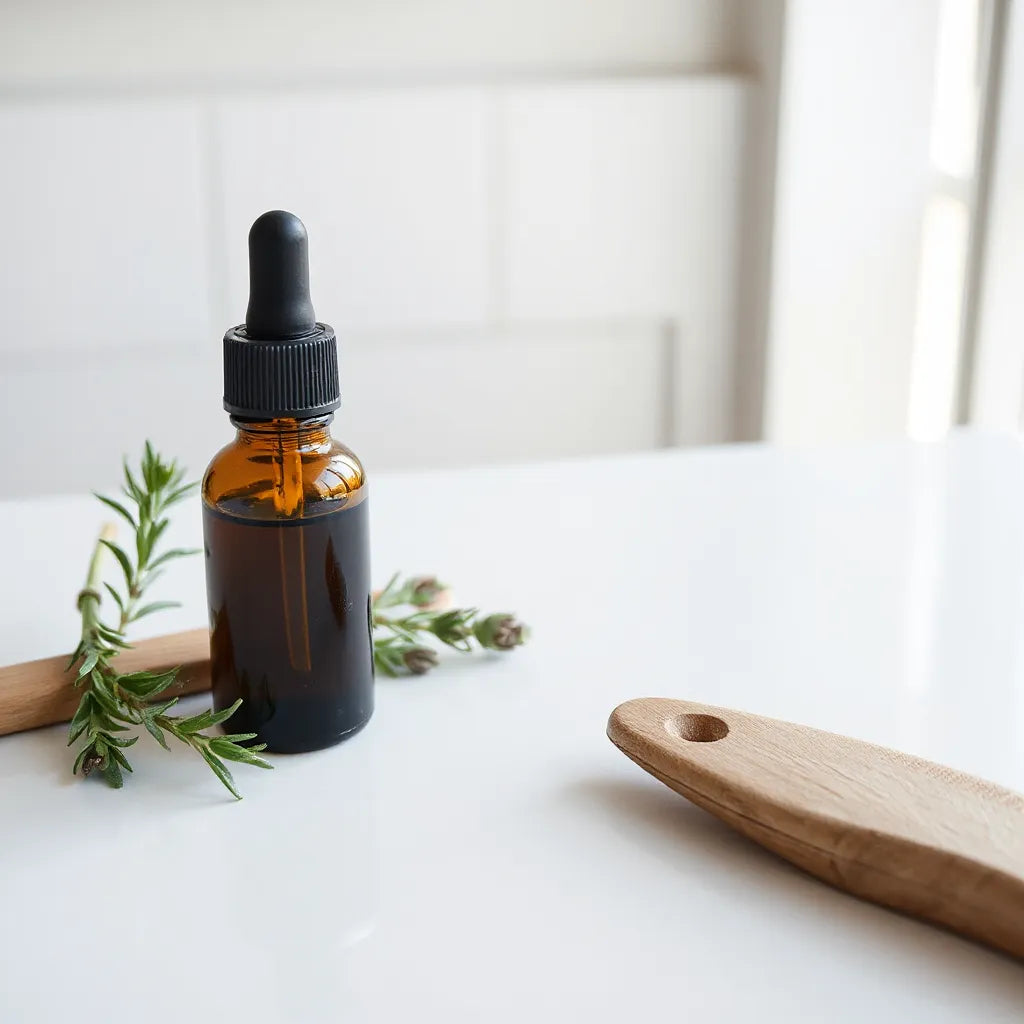
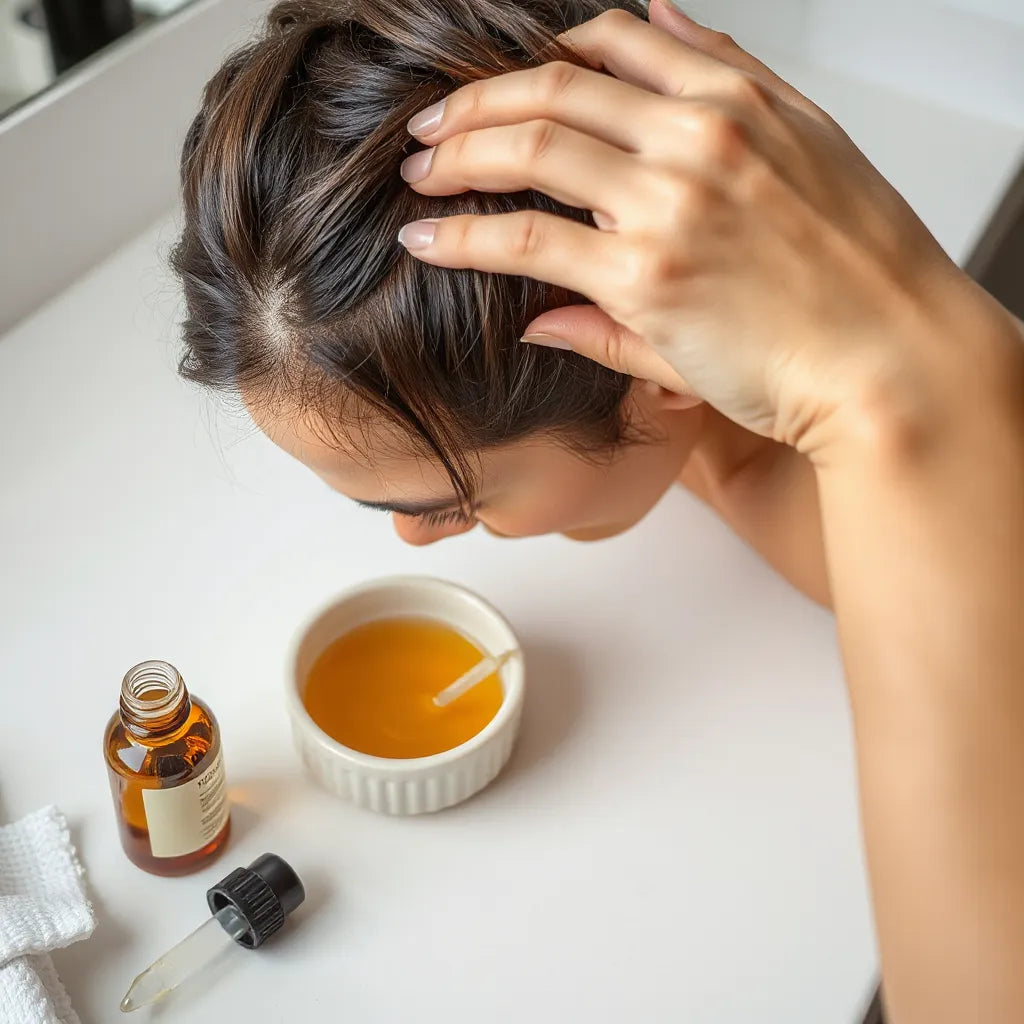
5. Visual Guide: From Bottle to Routine
6. Safe Ways to Use Oils at Home
7. Visual Guide: Matching Scents to Spaces
Why Organic Essential Oils Feel Different
Organic essential oils are more than a nice smell. They’re a fast way to shape the mood of a room, support a relaxing wind-down, and refresh your home without relying on harsh, heavy fragrances. When you choose oils made with care, you get scents that feel clearer and more consistent. That matters when you’re using aromatherapy in daily routines like morning refresh, post-work stress relief, or evening “reset” time.
Home scenting can also be personal. Some people want a grounded, cozy vibe. Others prefer bright and energizing notes. With organic oils, you can build a routine that matches your day instead of forcing one “default” scent on everyone.
Did You Know?
- Different oils pair naturally with different times of day and activities.
- Many people use essential oils to make cleaning feel more enjoyable.
- A consistent blend can turn a simple home routine into a calming ritual.
- Small scent changes can make a big difference in how a space feels.
How to Choose the Right Oils
Choosing the right oils is where results start. If you’re new, the best approach is to focus on quality cues you can check quickly. Look for transparent labeling, ingredient clarity, and reputable sourcing standards. When oils are truly organic, you’re more likely to get a profile that smells balanced rather than overly sharp or artificial.
Start with a “core” scent set
Instead of buying many bottles at once, begin with 3–5 oils that fit your goals. For example, pick one uplifting scent for mornings, one comforting scent for evenings, and one versatile oil you can use across multiple rooms. This keeps your routine simple and helps you avoid overwhelm.
Match notes to your goal
Scent is built from notes. Think in terms of how a smell feels: bright and crisp notes often make a room feel energized, while warm and herbal notes tend to feel grounding. If you like spa-style calm, choose oils with softer, mellow profiles. If you want freshness, choose oils that feel lighter and cleaner.
Look for versatility in one bottle
Some oils work in more than one way: they can support diffusion, add fragrance to a linen refresh, or complement a calming blend for a diffuser. When an oil is versatile, you’ll use it more often, which means you actually get the benefits you’re aiming for.

Herb leaves, dropper, and diffuser icon sequence
Expert Tips for Daily Use
If you want consistent results, small habits help. Experts often recommend building routines around your senses. Your nose learns quickly, and your brain starts associating a scent with a feeling of comfort and calm.
- Use measured amounts. Start light, then adjust based on room size and airflow. You want “noticeable,” not overpowering.
- Keep a simple schedule. Try using the same blend during wind-down time. Repetition makes it feel like a true ritual.
- Rotate scents seasonally. Swap lighter notes for fresh mornings and warmer notes for cozy evenings.
- Clean your diffuser regularly. A clear diffuser helps your oils smell true and prevents old residue from mixing into new blends.
- Pair scent with a routine step. For example, refresh linens while the room is already “resetting.” Your brain links the scent with cleanliness.
How to Build Simple Blends
Blending doesn’t have to be complicated. You can create scents that feel professional with a simple structure: a base note for steadiness, a middle note for character, and a top note for that first impression. The goal is balance, not intensity.
Try a three-step blend approach
- Choose one anchor. Pick an oil that feels grounding or comforting. This becomes the “base.”
- Add one character note. Choose an oil that adds depth. This makes the blend feel complete.
- Finish with one bright note. Add a lighter oil for freshness. This creates a smooth first impression.
Easy blend ideas for real life
Here are blend concepts you can adapt to your preferences. Keep the ratios gentle and adjust as you learn what you love.
- Morning clarity vibe: a bright, fresh top note paired with a light, supportive middle note.
- Evening comfort feeling: a warm herbal anchor with a softer, calming companion note.
- Everyday “clean air” mood: a fresh note combined with a neutral, grounding oil for balance.
When your blend feels right, you’ll notice it in how quickly you relax once the scent is on. That’s one reason organic oils are such a popular choice for home fragrance routines.

Room icons with mood labels and scent swirls
Safe Ways to Use Oils at Home
Essential oils can be part of a healthy home routine when you treat them with respect. Always follow the guidance that comes with your specific oils and use tools designed for home scenting. Avoid applying oils directly to skin unless you’re using them in a safe, properly formulated way.
Diffusion for everyday atmosphere
Diffusers are one of the easiest ways to enjoy aromatic benefits. Start with fewer drops than you think you need. Run the diffuser for shorter sessions at first. If the room smells too strong, pause, ventilate, and restart with less.
Linen and fabric refresh
For a subtle boost, use oils in a fabric-friendly application method recommended for home use. Aim for a light scent that feels fresh when you open a closet or make a bed. Many people love this because it turns a small chore into a “ready for the day” experience.
Cleaning support without heavy fragrance
Some households use essential oils to make cleaning routines feel more pleasant. Instead of layering strong chemical odors, you can create a clean-smelling atmosphere that feels welcoming. Always ensure the product or method you pair with your oils is compatible and safe for household use.
Household considerations
If you have pets, babies, or anyone with scent sensitivities, be extra cautious. Keep diffusers on lower settings and choose gentler blends. Ventilation matters. If anyone shows discomfort, stop use and switch to a lower-scent approach.
What People Notice After Switching
When customers move from generic fragrance to organic essential oils, they usually describe a few common improvements: the scent feels more natural, the home atmosphere feels calmer, and the routine becomes something they look forward to. Here are representative experiences that reflect what many shoppers say about scenting with organic oils.
“My living room finally feels relaxing.”
One customer shared that their evenings changed after they started using a consistent comfort blend. They said the room felt easier to unwind in, and they noticed they were more likely to spend time at home instead of rushing to “escape the day.”
“I like that it feels clean, not artificial.”
Another shopper mentioned that the scent never felt harsh. They used oils during a morning routine and felt like the home smelled brighter without needing very strong fragrance. Over time, they built a small collection of core oils they reached for daily.
“Diffuser use is now part of my routine.”
A frequent diffuser user described how the habit became easier once they found one blend that worked in multiple rooms. They said it helped them slow down, focus, and reset between tasks. The biggest win, they added, was consistency—same blend, same feeling.
If you want to experience this kind of shift, start with a small, intentional setup. Choose a core blend for your most-used space, then expand only after you learn what you love.
Summary & Takeaways
Organic essential oils can help you turn home scenting into a simple, feel-good routine. When you choose quality oils, build a small core collection, and use them in measured ways, you can shape your space for mornings, afternoons, and evening wind-down. Safe use and consistency matter, and the right blend can make your home feel calmer and more welcoming.
If you’re ready to upgrade your scent routine, explore our collection and choose the oils that match your lifestyle. And if you’re also refreshing your space, pairing scent upgrades with a cozy home setup can create a complete “reset” you’ll feel every time you walk in.
Shop sleep and lounge essentials
Find storage for a tidy routine
Create a more relaxing bedroom
Q&A
Are organic essential oils better than regular essential oils?
Many people prefer organic essential oils because they tend to fit their “cleaner sourcing” standards. What matters most is choosing oils with clear labeling, reputable sourcing, and consistent quality so the scent profile you enjoy is reliable in your home routines.
How many drops of essential oils should I use in a diffuser?
Start with a small amount and increase gradually. Room size, ventilation, and your blend strength all affect how strong the scent feels. If you’re new, aim for a gentle, noticeable aroma rather than a strong fragrance that can overwhelm the space.
Can I use essential oils for cleaning and freshening fabrics?
Yes, but use only methods that are designed for safe household use. Choose light scent levels, and always follow the guidance for your oils and any products you combine them with. For fabrics and linens, focus on subtle freshness instead of heavy fragrance.
What should I do if a scent feels too strong?
Stop the diffuser or reduce the usage, ventilate the space, and give your home time to air out. When restarting, use fewer drops and keep sessions shorter until you find your preferred intensity.

I like making people happy