Updated on: 2026-07-19
Finding the right natural hair products can feel confusing when your curls, coils, or kinks have specific needs.
This guide breaks down how to choose formulas that support hydration, definition, and manageable styling without overdoing it.
You will learn which ingredients to look for, how to build a simple routine, and what to do when your hair feels dry, tangled, or dull.
By the end, you will have a clear path to healthier-looking hair and a plan you can actually stick to.
1. Why natural hair products matter
2. Personal hair routine story
3. Key advantages
4. Quick tips to start today
5. Use cases by hair goal
6. How to choose the right products for your hair
7. Summary & next steps
Why natural hair products matter
If your natural texture gets dry fast, frizzes easily, or loses its shape after washing, it is not just “your hair.” The products you use play a major role in how your strands behave between wash days. Using the right natural hair products helps you support moisture balance, improve slip for detangling, and build styles that last longer.
Many people also struggle with consistency. One wash looks great, the next feels flat or rough. That is often a sign that your routine is missing one key step or you are using formulas that do not match your hair’s needs. A good product lineup should work together: cleansers that remove buildup, conditioners that soften and detangle, and styling items that define without heavy residue.
Personal hair routine story
I remember the first time I treated my hair like a system instead of a one-off task. My wash days used to be stressful. I would shampoo, try to detangle, and then wonder why my curls looked dull by the next morning. The biggest turning point was changing how I paired my products. I stopped relying on random “whatever is on the shelf” bottles and built a routine with clear goals: gentle cleanse, deep softness, and light definition.
Within a few weeks, my hair felt easier to manage. Detangling took less time. My curls held a nicer shape. And when I tried new techniques, the results were more predictable. The reason was simple: the right natural hair products created a foundation, so my hair could respond to styling instead of fighting it.

Moisture map with curl icons and airflow lines
Key advantages
When natural texture is treated with care, it can look full, defined, and healthy. Here are the main benefits you can expect when you choose products that match your routine and hair type.
- Better hydration: Look for formulas designed to support moisture retention so your strands feel softer and less brittle.
- More slip for detangling: Conditioning ingredients can help reduce snagging, making comb-through sessions smoother and faster.
- Improved curl definition: The right gels, creams, and curl custards can help your shape hold without crunchiness.
- Less frizz and flyaways: Humidity-friendly styling and lightweight sealing steps can help smooth the cuticle.
- Stronger manageability: When your hair is moisturized and balanced, daily touch-ups become easier.
- Routine flexibility: A compatible set of products makes it simpler to refresh between washes.
Quick tips to start today
You do not need a complicated shelf. You need a simple plan that covers your key steps. Try these quick moves the next time you wash.
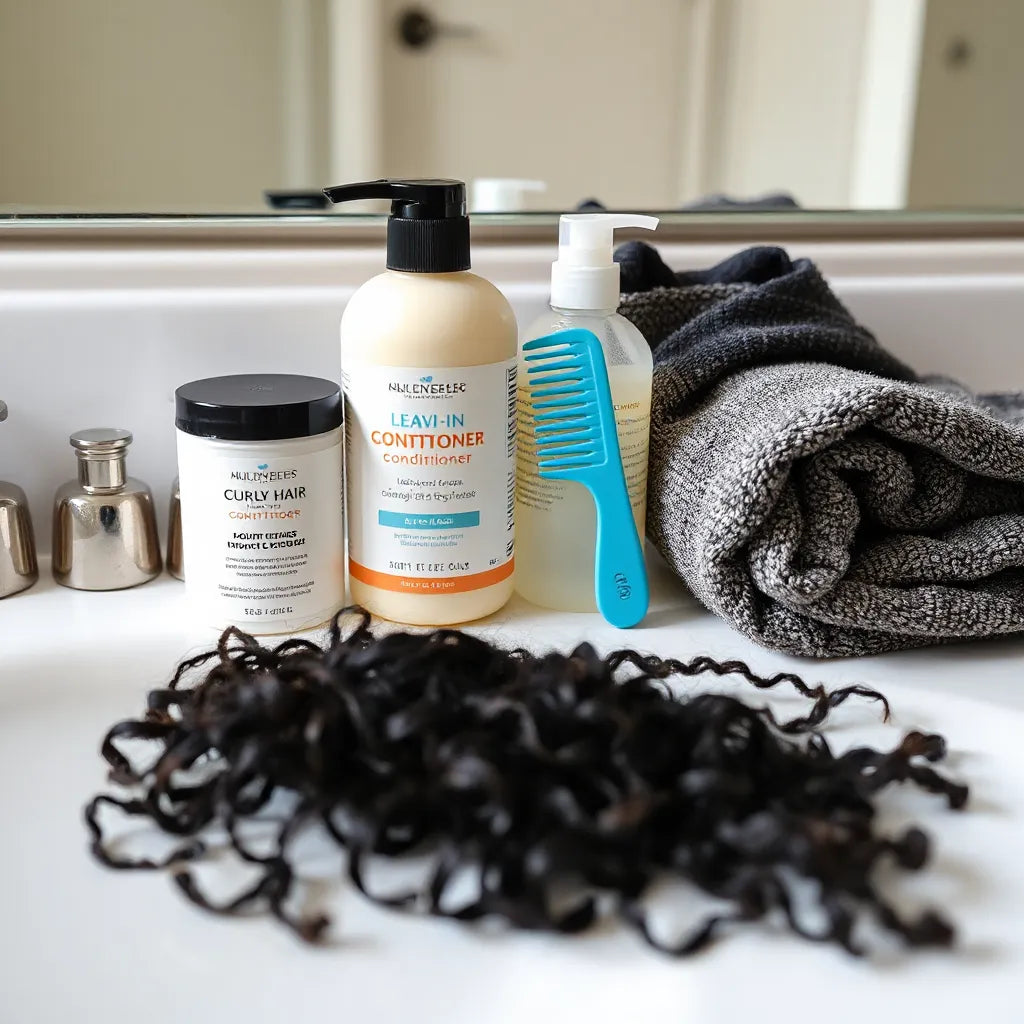
- Pick one “primary” leave-in: Choose a lightweight conditioner or cream you can reapply as needed.
- Use conditioner for detangling: Work in sections and give the product a moment to soften.
- Style with small amounts first: Build gradually to avoid heaviness and product buildup.
- Seal wisely: If your ends get dry, add a tiny amount of a richer product only where you need it.
- Refresh with water plus a light rework: Mist, smooth, and re-define where curls need help.
Use cases by hair goal
Natural hair routines should feel targeted, not random. Here are common goals and how the right natural hair products support each one.
For wash-and-go curl definition
If you want your curls to look defined right after styling, focus on products that combine softness and hold. A leave-in or curl cream for slip and a gel for structure can work together. Apply to damp hair, then smooth or rake through for even distribution. Finish with gentle drying methods to reduce frizz.
For deep hydration and bounce
When your hair feels dry, stiff, or “thirsty,” switch emphasis to conditioning. A thicker conditioner or mask helps restore softness. After cleansing, let the conditioner sit long enough to fully coat strands. Follow with a lighter leave-in so you get hydration without a heavy finish.
For low-manipulation weeks
Some routines are about reducing stress on your hair. Use styling products that support protective styles and help prevent dryness at the roots and ends. If you refresh between washes, keep it simple: a light mist, then smoothing with a small amount of product.
For frizz control in humid weather
Frizz often increases when your hair loses moisture or when the outer layer is not protected. Choose anti-frizz styling that can help seal in hydration. If your hair gets puffy, try using less product and focusing on consistent distribution. You want even coverage, not thick clumps.

Routine checklist with icons for cleanse, condition, style
How to choose the right products for your hair
Choosing the best natural hair products is less about chasing trends and more about matching your hair’s pattern, porosity, and goals. Start with these practical selection steps.
1) Match product weight to your hair needs
If your hair tends to feel heavy, choose lighter leave-ins and creams. If your hair is typically dry, you can lean toward richer conditioners and targeted sealing on the ends. A good routine should feel balanced, not coated.
2) Prioritize softness and detangling
Healthy-looking natural hair starts with manageable strands. When conditioners provide slip, your detangling sessions become less stressful. That reduces breakage risk and helps your curls retain their shape.
3) Pick hold based on your styling plan
Different holds work for different looks. If you want flexible definition, choose a product that dries with soft hold. If you want stronger structure for twists, braids, or longer-lasting sets, use a gel or styling aid that supports that finish.
4) Consider your wash frequency and buildup habits
If you wash less often, buildup can dull your hair. That means you may need a stronger cleanse step occasionally. If you wash more frequently, you may benefit from a gentler approach that keeps your scalp comfortable.
5) Use reviews as a decision shortcut
Look for feedback that mentions texture and results, not just “it smells good.” Useful reviews often describe softness, curl definition, frizz control, and whether the formula feels too heavy.
What customers commonly say
Here are examples of real-world feedback patterns shoppers often share after switching to a consistent routine:
- Definition improves: “My curls look more consistent from day one.”
- Detangling feels easier: “Less snagging and faster wash days.”
- Less frizz: “My hair stays smoother in the afternoon.”
- More manageable texture: “It feels softer and easier to style.”
While results vary by hair type and routine, consistent product pairing is a common theme. The goal is to find a system that supports moisture, softness, and styling you can repeat.
Summary & next steps
Natural hair looks its best when your routine supports moisture balance and makes styling easier. The most effective approach is to choose natural hair products that match your goals: gentle cleansing, conditioner-based detangling, and the right hold for your style. Start small, track how your hair responds, and adjust one step at a time.
If you want a smoother everyday setup, consider organizing your routine space so you can use your products consistently. A clean, comfortable area makes wash days easier and helps you stick with the steps that bring the best results. For a home upgrade that supports calmer routines, you can explore furniture inspiration on night stand options or drawer storage pieces that keep essentials within reach.
Next step: Choose one cleanse step, one conditioner for detangling, and one styling product for hold. Use them consistently for multiple wash cycles, then fine-tune based on softness, definition, and how your hair feels between refreshes.
Q&A
How do I know if my natural hair products are too heavy?
If your hair feels coated, flat, or crunchy, or if your curls lose volume quickly, your products may be too heavy for your hair’s needs. Try using smaller amounts, focusing product on mids and ends, and switching to a lighter leave-in or cream for daily styling.
What is the best first product to change in my routine?
Start with the step that directly affects softness and detangling: conditioner. When your conditioning is right, your hair becomes more manageable, and styling results usually improve. After that, adjust your leave-in or gel based on whether you want more definition or less frizz.
Can I use the same natural hair products for wash-and-go and twists?
Yes, many routines can overlap. However, wash-and-go styles usually need flexible definition, while twists often benefit from stronger hold to support set shape. If you use the same products, adjust the amount and choose a hold that matches the style’s requirements.
How often should I refresh between washes?
Refresh frequency depends on your hair texture and environment. Many people refresh when curls start to separate or when frizz increases. A light mist and quick smoothing with a small amount of product can be enough, without reapplying heavy layers.
Disclaimer: This article is for general informational purposes and does not provide medical advice. Hair care results vary based on individual hair type, routine, and environmental factors. Always patch test products if you have sensitive skin, and discontinue use if irritation occurs.

I like making people happy