Updated on: 2026-09-16
Upgraded seating can change how a room feels, not just how it looks. Upholstered chairs add comfort, style, and support in everyday moments—reading, working, dining, or hosting. With the right fabric, cushion thickness, and size, you can reduce discomfort and make your space more inviting. If you want a chair that blends beautifully with your décor and holds up through daily use, start with fit, function, and finish.
1. Why upholstered chairs change a room
2. How to choose upholstered chairs for your space
3. Comfort checklist before you buy
4. Placement ideas that look intentional
5. Fabric care and longevity tips
6. What customers say about upholstered seating
7. Simple styling formulas
8. How-To Guide
9. Common Questions Answered
Why upholstered chairs change a room
When your seating feels comfortable and looks polished, the entire space feels more finished. Upholstered chairs soften hard surfaces, add warmth, and give you a place to linger. Whether you’re updating a living room, styling a reading nook, or making a dining area feel more welcoming, the right chair creates a comfortable focal point.
Unlike basic seating, upholstered styles can balance everyday practicality with design. You get cushioned support that helps you sit longer, plus fabrics that can match your palette. If your current chairs make you shift positions or avoid hosting, a better upholstered option can help you enjoy the room more often.
At Home & Sleep Outlet in Rowlett, TX, we focus on furniture that fits real life. You can shop a large selection online and get help building a coordinated room that feels cohesive. If you’re comparing options, it also helps to see how chairs work with other pieces like dressers, desks, and beds.

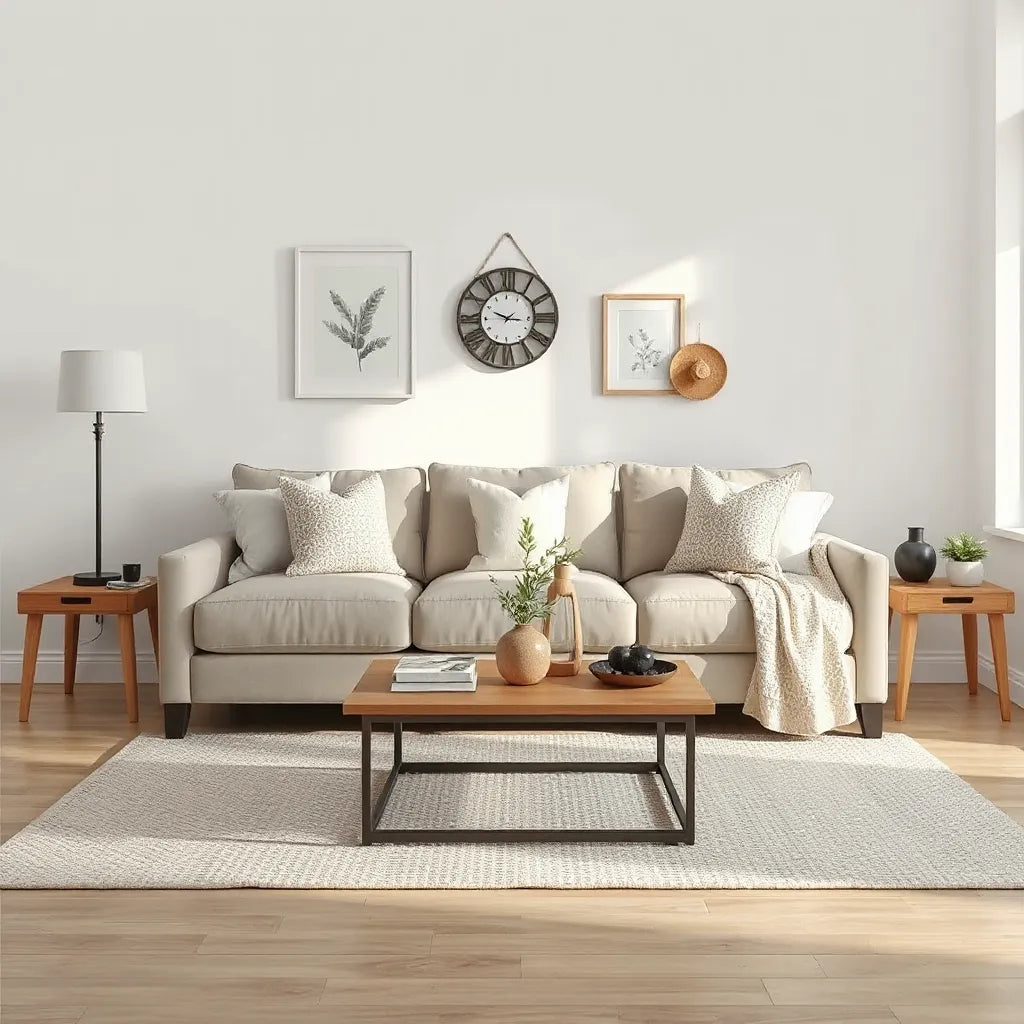
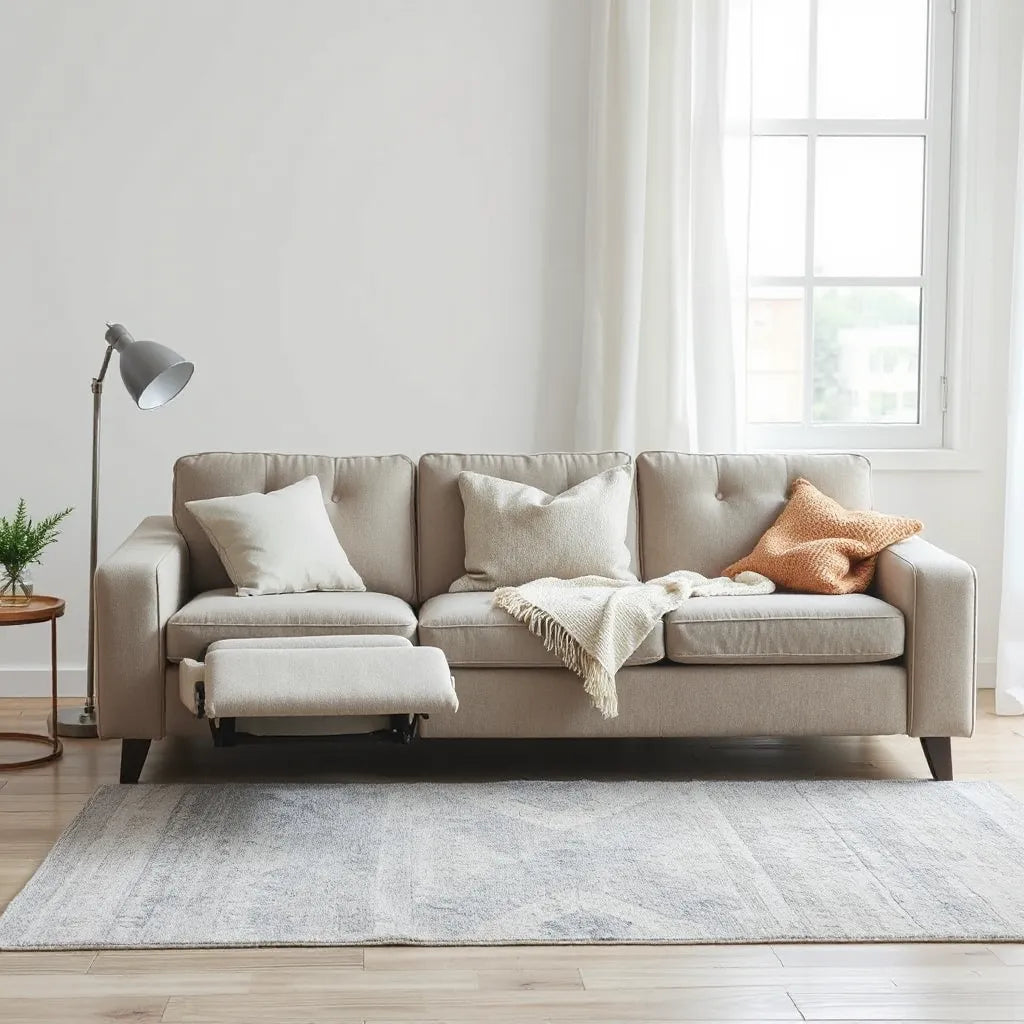
Soft textures, warm light, and balanced seating silhouettes
2. How to choose upholstered chairs for your space
Choosing upholstered chairs is easier when you start with your use case. Ask where the chair will live and how you want it to feel.
- For a reading corner: prioritize arm comfort, a supportive seat cushion, and fabric that feels pleasant against your skin.
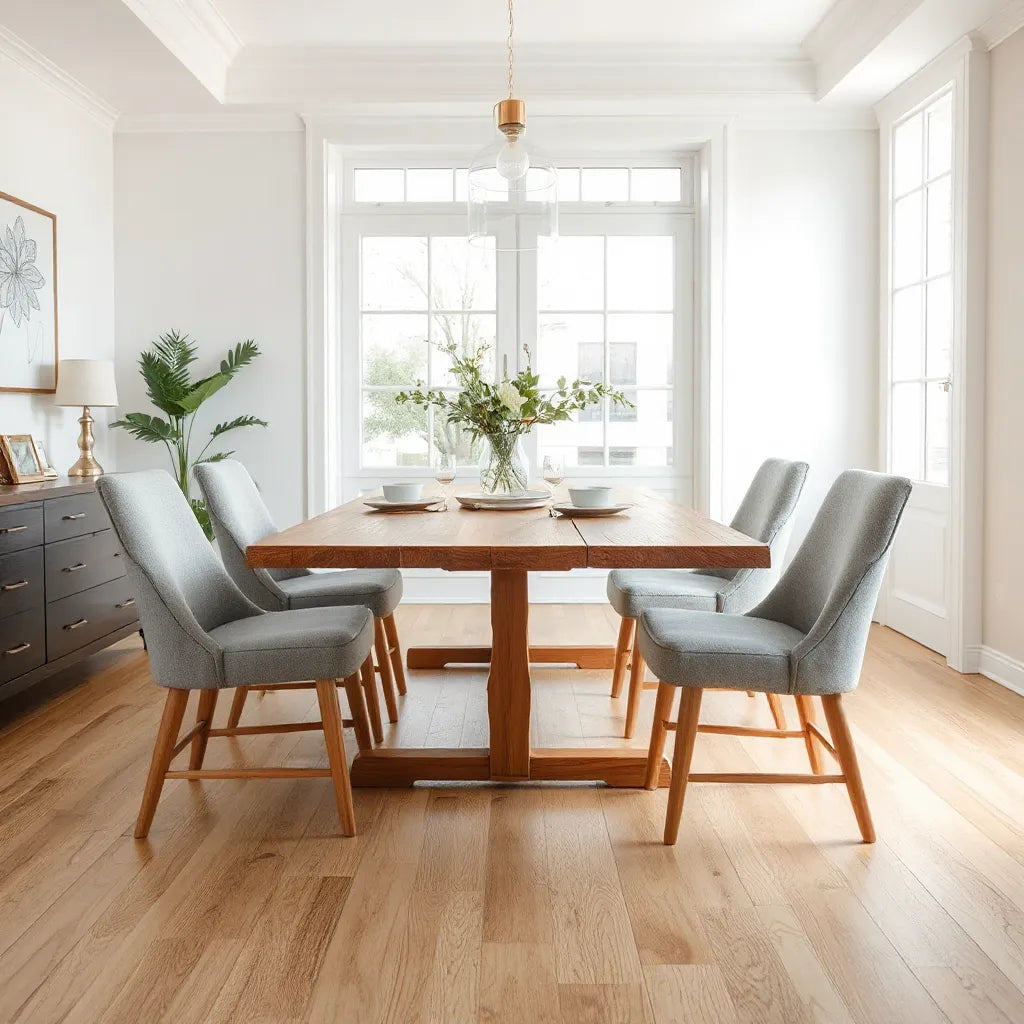
- For a dining area: look for chairs that fit under your table comfortably and have stable support for longer meals.
- For a home office: choose a chair that keeps posture comfortable and supports your body without making you feel cramped.
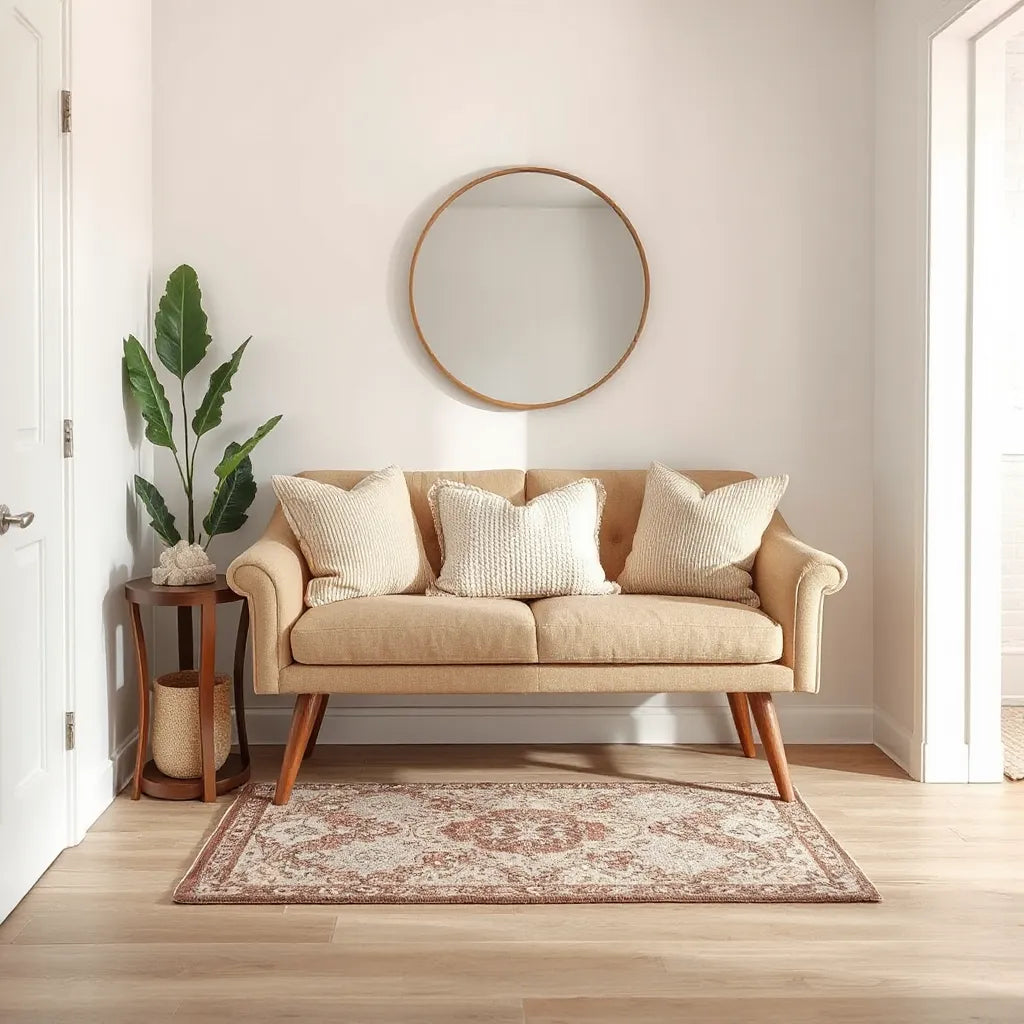
- For entryways: select a design that looks inviting while still being easy to maintain.
Next, match the chair’s size to the room. A chair that’s too large can overpower a space, while one that’s too small can look out of place and feel unstable. When you measure, don’t forget clearance for movement and doorways.
If you also plan to refresh your storage or sleeping area, coordinating pieces can make the whole home feel curated. For example, you may find it helpful to pair your seating upgrade with a complementary room layout.
Comfort checklist before you buy
Comfort is not just about softness. The best upholstered chairs support your body so you can stay relaxed without feeling pressured. Use this checklist to narrow down your options quickly.
- Seat depth: Your knees should form a comfortable angle when you sit. Too deep can create pressure under the thighs; too shallow can make your back work harder.
- Cushion thickness: A cushion that’s too thin may feel hard after time, while overly plush seating can make you sink.
- Back support: Look for a supportive back shape that helps you sit upright comfortably.
- Arm height: Arms should support you without forcing your shoulders up. If your space is tight, consider armless or low-arm options.
- Stability: You want a chair that feels grounded when you sit and stand. Stability matters as much as padding.
Fabric feel matters too. If you want easy everyday comfort, choose a texture that feels smooth, breathable, or softly textured based on your preference. If you have kids or frequently host guests, focus on upholstery that you can maintain without stress.
Placement ideas that look intentional
Great placement turns a chair from “something you own” into part of your room’s design rhythm. Use these placement ideas to create a setup that feels natural.
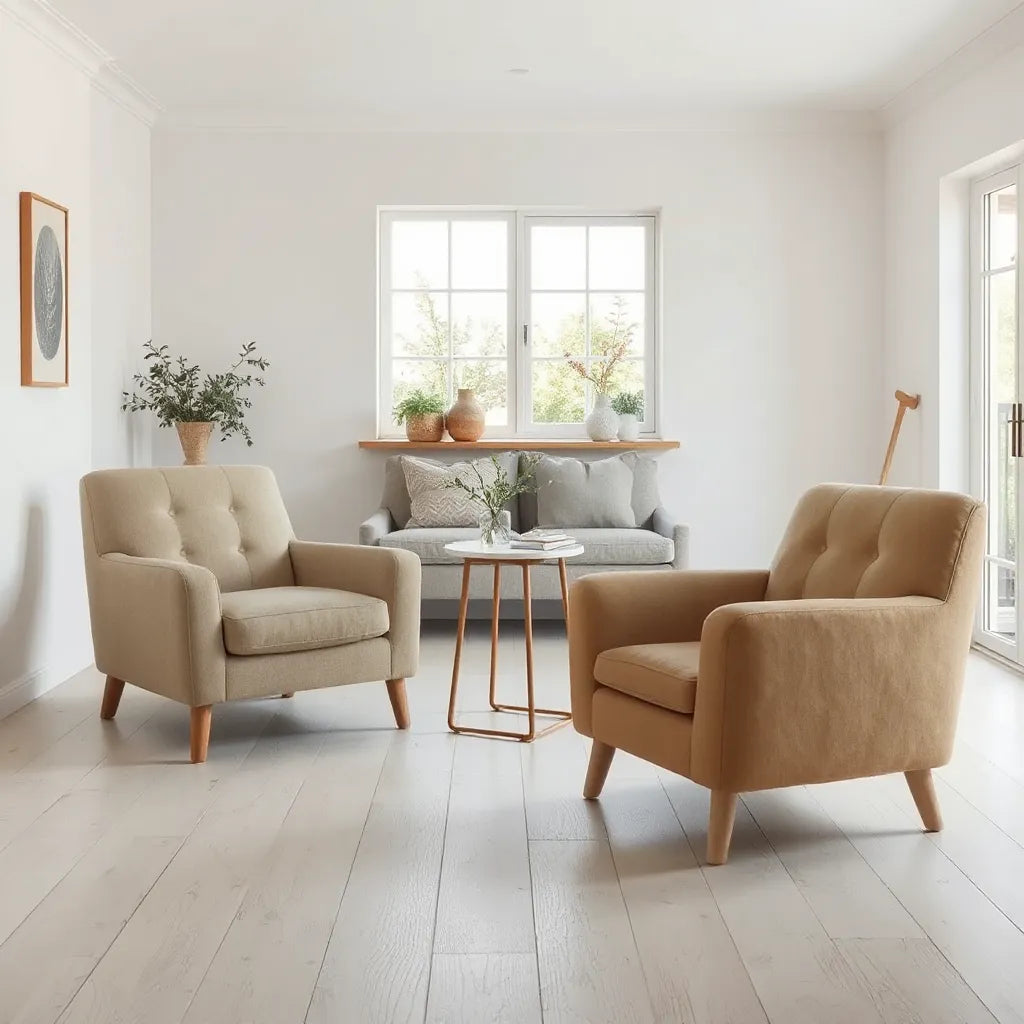
- Create a conversation zone: Place a pair of upholstered chairs facing a sofa or seating area, leaving enough space for guests to move comfortably.
- Balance a sectional: Adding upholstered seating with complementary tone helps break up visual mass and makes the space feel lighter.
- Frame a table or desk: Two chairs on either side of a focal piece can make the layout look styled, not accidental.
- Anchor a reading nook: Put a chair near a lamp and a small side table. Upholstery adds softness to the corner so it feels inviting.
One simple design trick: aim for a consistent visual weight. If the rest of your furniture is bold, choose upholstery that complements instead of competing. If your room is light and airy, richer tones can add depth without overwhelming.

Measured layout markers and balanced chair spacing
Fabric care and longevity tips
Upholstered furniture can stay beautiful for years when you treat care like part of ownership. You don’t need complicated routines. Just a few habits help protect your investment.
- Vacuum regularly: Use a soft brush attachment to remove dust and debris from seams and creases.
- Blot spills immediately: Don’t scrub. Blot gently with a clean cloth to lift the spill.
- Rotate cushions when possible: If the chair has removable or shiftable cushions, rotation helps even out wear.
- Use protective spacing from sunlight: Direct sun can fade fabrics over time, especially near windows.
- Follow manufacturer guidance: Each upholstery fabric can have different cleaning needs. Always check the care instructions that come with your chair.
For households that use chairs daily, care is also about prevention. Keep coasters for drinks, use throws when needed, and make quick cleanups part of the routine. This protects the fabric while keeping the chair looking fresh.
What customers say about upholstered seating
Comfort is personal, but patterns repeat. Many customers choose upholstered chairs because they want a chair that feels supportive for real-life use. Here are common themes you can expect when customers upgrade to upholstered seating.
- “I sit longer without shifting.” People often mention that they feel more relaxed during reading, working, or conversation.
- “It looks more finished.” Upholstery adds texture and tone, which helps the room feel styled and cohesive.
- “It feels right for hosting.” Guests notice comfort quickly, and a comfortable chair encourages people to stay longer.
- “The fabric fits our lifestyle.” Customers who host frequently appreciate upholstery they can care for easily.
We also hear from customers who were initially unsure about fabric choices. They want a chair that looks elevated but still fits everyday life. The good news is that upholstery can be selected to match your routines, not the other way around.
If you’re exploring a broader room refresh alongside your chair upgrade, browsing coordinated storage pieces can help. You may find it easier to build a consistent look when you select furniture with matching tones.
Simple styling formulas
You don’t need a designer budget to make upholstered chairs look intentional. Use these easy styling formulas.
- Match tone, not exact shade: Choose upholstery that matches one element in the room, like wood tone, wall color, or a patterned accent.
- Repeat a texture: If you have a rug with a soft weave, select upholstery with a similar feel. Texture repetition creates cohesion.
- Anchor with a neutral base: Neutral upholstery gives flexibility for seasonal pillows and throws.
- Use contrast for interest: If your room is mostly neutral, add contrast through chair tone or a bold cushion color.
For a quick upgrade, try adding a small side table next to your chair. Pair it with a lamp and a tray for everyday items. This makes the chair feel functional while elevating the overall look.
How-To Guide
Ready to buy upholstered chairs that feel right the first day? Follow this simple process to choose confidently.
1) Measure your space before you compare styles
Measure where the chair will go. Include clearance for doors, walkways, and table space. If you’re buying for a dining setup, measure from the floor to the underside of your table so the chair sits comfortably.
2) Decide the primary job of the chair
Choose one main use: reading, working, dining, or hosting. Comfort priorities differ by use. A home office seat needs long-session support. A dining chair should feel stable and ergonomic for meals.
3) Pick the upholstery fabric for your lifestyle
Consider how you’ll use the chair. If you host often, think about spill readiness and easy upkeep. If it’s a quieter space, you can focus more on texture and color mood.
4) Select the right shape and size
Match the chair’s silhouette to your room. Rounded backs feel inviting. Structured backs can look sleek and modern. Keep the seat height and arm profile aligned with the surrounding furniture.
5) Test comfort with a quick “sit and stand” check
When possible, sit in the chair and stand up smoothly. Pay attention to back support, seat comfort, and arm usability. A chair should help you change positions without strain.
6) Confirm care and maintenance expectations
Look for clear care guidance. Choose a fabric that you can keep clean with your routine. This reduces long-term frustration and helps your chair keep its look.
If you want help choosing a cohesive look for your home, consider exploring complementary furniture categories alongside your chair upgrade. Home & Sleep Outlet in Rowlett, TX also offers financing and local delivery, which can make a multi-piece refresh easier.
You can also browse a curated variety of home-inspired décor and accessories at Otaku Haven.
Common Questions Answered
How do I know which upholstered chairs are the right size?
Start with measurements. For dining use, check that the chair fits under the table with comfortable clearance. For living rooms or offices, measure seat height needs and allow enough room for you to move and sit comfortably without bumping nearby furniture.
What upholstery fabric is easiest to maintain?
The best option depends on your lifestyle, but in general, fabrics that tolerate routine vacuuming and simple spot cleaning tend to fit daily use well. If spills are common, prioritize upholstery that can be cleaned quickly without heavy effort.
Do upholstered chairs work in small spaces?
Yes. Choose chairs with slimmer profiles, consider armless or low-arm designs, and keep spacing tight but comfortable. Light-colored upholstery can also help small rooms feel more open.
How many upholstered chairs should I buy for a room?
There’s no single number. Common approaches include using one statement chair for a reading nook, buying two for balanced conversation seating, or selecting a set for dining and hosting comfort. The best count is the one that matches your layout and how often you entertain.
Disclaimer: Product availability, specifications, and upholstery care guidance can vary by item. Please review the full product details and care instructions for your specific upholstered chair before purchase and use.

I like making people happy